بورتريه لـ Ethel Reed

أشهر 15 لوحات لـ Ethel Reed، مختارات من المعرض

تحديث نوفمبر 2026 · مُرتبة حسب مؤشر شعبيتنا (عمليات البحث، والزيارات، والطلبات لكل عمل فني) · 15 أعمال لـ Ethel Reed في كتالوجنا

باختصار

من بين جميع الأعمال الأصلية التي تركها Ethel Reed، تُعد Miss Träumerei (1885) هي الأكثر شهرة. تأتي بعدهما مباشرة كل من Illustration from In Childhoods Country (Moulton) (1895) و Illustration from Arabella and Araminta Stories (1895). يضم كتالوجنا 15 من أعمال Ethel Reed؛ حيث احتفظ المعرض بـ 15 من أكثر الأعمال التي يعجب بها العالم، مع عرض كل منها مع تاريخها ومتحفها وقصتها.

1874 – 1912, Newburyport Art nouveau

أفضل 10 لوحات لـ Ethel Reed: مختارات المعرض

1
Miss Träumerei (1885) للفنان Ethel Reed

Miss Träumerei

1885 · Lithograph

We are looking at Miss Träumerei, a work by the American graphic artist Ethel Reed. This piece was originally conceived as a poster or cover for a novel by Albert Morris Bagby, titled Miss Träumerei: A Weimar Idyl. It emerged from the creative landscape of the late nineteenth century, specifically published in 1895 by Lamson, Wolffe & Co.

2
Illustration from In Childhoods Country (Moulton) (1895) للفنان Ethel Reed

Illustration from In Childhoods Country (Moulton)

1895 · Charcoal

This piece is an Illustration from In Childhoods Country (Moulton), a work created by the American artist Ethel Reed. It emerged from a period of significant creative output for the artist, dating to about 1895. The illustration was produced specifically for Louise Chandler Moulton, appearing as a visual component of her literary work.

3
Illustration from Arabella and Araminta Stories (1895) للفنان Ethel Reed

Illustration from Arabella and Araminta Stories

1895 · Lithograph

This 1895 lithograph presents a stylized, monochromatic scene divided into distinct horizontal registers. The upper portion of the composition features a draped, tent-like canopy decorated with floral motifs. Within this upper space, several figures, including children and cats, are rendered with elongated limbs and simplified facial features. A pattern of falling, leaf-like shapes occupies the central void between the figures and the foliage below. The middle layer consists of a…

5
Trilby the Fairy of Argyle (1895) للفنان Ethel Reed

Trilby the Fairy of Argyle

1895 · Lithograph

The scene unfolds within the delicate lines of Trilby the Fairy of Argyle, a work that emerges from the hands of the American graphic artist Ethel Reed. Created about 1895, this piece captures a moment of quiet enchantment. The figure of a fairy-like character rests within a theatrical setting, framed by the decorative flourishes of the era. It is a vision of the fin de siècle, where the boundaries between…

7
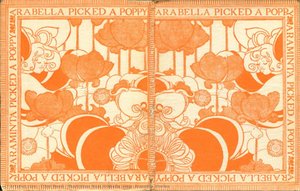
Arabella and Araminta Stories (1895) للفنان Ethel Reed

Arabella and Araminta Stories

1895 · Lithograph

Two women occupy the center of this lithograph, their pale skin a sharp contrast against a deep black void. They are framed by a bold orange border that contains their presence within a rigid, vertical geometry. Their blonde hair catches the light, tracing clean lines against the dark background. There is a stillness in their gaze, a quietude that suggests they are characters caught between the pages of a story.…

8
Boston Sunday Herald Fashion Supplement (1896) للفنان Ethel Reed

Boston Sunday Herald Fashion Supplement

1896 · Lithography

The vintage poster titled "Boston Sunday Herald Fashion Supplement" by Ethel Reed captures a specific moment of late 19th-century graphic design. Created about 1896, this lithographic print functions as a piece of advertising for the "Boston Sunday Herald." The work centers on a stylized female figure, a silhouette of grace intended to represent an ideal of beauty or elegance for the fashion supplement. She exists within a world of bold…

9
Boston Illustrated (1895) للفنان Ethel Reed

Boston Illustrated

1895 · Lithography

is a graphic work by the American artist Ethel Reed, dating to 1895. Produced during a period of significant activity in the Boston art scene, the piece reflects the aesthetic shifts of the late nineteenth century. Reed, a prominent figure in the Art Nouveau movement, created this work during her rise as a leading graphic designer in the United States.

تستمر مجموعة Ethel Reed، من 11 إلى 15

المواضيع التي استأثرت باهتمام Ethel Reed

المواضيع الأربعة التي تتكرر باستمرار في هذه الأعمال الأصلية، مع تقديم أروع مثال لكل منها.

Ethel Reed عاماً بعد عام: الأعمال الأصلية التي تميز كل عام

تستعرض هذه المختارات أعمال Ethel Reed على مدار 12 عاماً، من 1885 إلى 1896، مع الحفاظ على أروع الأعمال الأصلية لكل عام.

الأعمال حسب السنة

اختر سنة لعرض أعمالها الأصلية.

أسئلة المقتنين حول لوحات Ethel Reed

ما هو العمل الأكثر شهرة لـ Ethel Reed؟اكتشف الإجابة

Miss Träumerei (1885). يليه Illustration from In Childhoods Country (Moulton) (1895) و Illustration from Arabella and Araminta Stories (1895).

كم كان عمر Ethel Reed عندما تم إنجاز Miss Träumerei؟اكتشف الإجابة

عمر 11 عاماً: يعود تاريخ Miss Träumerei إلى 1885، وقد وُلد Ethel Reed في 1874.

ما هي أشهر عشر لوحات لـ Ethel Reed؟اكتشف الإجابة

Miss Träumerei, Illustration from In Childhoods Country (Moulton), Illustration from Arabella and Araminta Stories, Illustration from In Childhoods Country (Moulton), Trilby the Fairy of Argyle, In Childhoods Company, Arabella and Araminta Stories, Boston Sunday Herald Fashion Supplement, Boston Illustrated و Boston Sunday Herald February 24th. يوضح التصنيف أعلاه سنة كل لوحة والمتحف التابعة له.

كم عدد اللوحات التي تركها Ethel Reed؟اكتشف الإجابة

يضم كتالوجنا 15 من أعمال Ethel Reed، التي يعود تاريخها من 1885 إلى 1896.

في أي سنوات رسم Ethel Reed أشهر أعماله؟اكتشف الإجابة

في 1895: تم إنجاز 7 من أصل 15 من الأعمال في هذه الصفحة خلال تلك الفترة، من بينها Illustration from In Childhoods Country (Moulton).

ما هي أول وآخر الأعمال الأصلية الشهيرة لـ Ethel Reed؟اكتشف الإجابة

في هذه الصفحة، أقدم الأعمال يعود إلى Miss Träumerei (1885) وأحدثها يعود إلى Illustration from In Childhoods Country (Moulton) (1896).

ما هي المواضيع التي اختارها Ethel Reed بشكل متكرر؟اكتشف الإجابة

Woman (9), Flowers (7) و Leaves (4)، عبر 15 من الأعمال في هذه الصفحة.

ما هي التقنية التي استخدمها Ethel Reed بشكل أكبر؟اكتشف الإجابة

Lithograph، لـ 5 من أصل 15 من الأعمال في هذه الصفحة.

إلى أي حركة فنية ينتمي Ethel Reed؟اكتشف الإجابة

Art nouveau، بناءً على الأعمال الأصلية في هذه الصفحة.

Ethel Reed: حياته وأعماله

A Visionary of Art Nouveau and Early American Illustration

Ethel Reed stands as a remarkable figure in the annals of American graphic art, particularly recognized for her exquisite contributions to the Art Nouveau movement. Born in Newburyport, Massachusetts, on March 13th, 1874, Reed’s life was marked by both artistic brilliance and personal challenges—a duality that profoundly shaped her oeuvre and cemented her legacy as a trailblazing artist of her time. Her early years were steeped in familial influences; Edgar Eugene Reed, her father, was a respected photographer, instilling in Ethel a keen appreciation for visual representation and meticulous detail. This connection to the lens likely informed her later mastery of composition and the striking, flattened perspectives that would become her hallmark.

Reed’s artistic journey commenced formally at Cowles Art School, where she honed her skills in drawing and composition—skills that would soon blossom into breathtaking illustrations for periodicals like The Yellow Book, a groundbreaking literary journal co-founded by Aubrey Beardsley. This collaboration proved pivotal, exposing Reed to the avant-garde sensibilities of European artistic circles and fostering an enduring fascination with symbolism and decorative art. Her work during this period captured the imagination of both America and Europe, earning her critical acclaim as one of the most significant female graphic designers of the Art Nouveau era.

The Golden Era of Poster and Periodical Design

In the late 1890s, Reed’s career experienced a meteoric rise, characterized by a prolific output of posters and book illustrations that defined the aesthetic of the fin de siècle. Moving to Boston, she became a central figure in the city's vibrant art scene, capturing the public's imagination with a series of posters for newspapers, magazines, and books. Her style was a masterful blend of bold, graphic lines and delicate, organic motifs, often featuring elegant female figures that embodied the grace and mystery of the era. This period saw her producing more than twenty-five iconic posters, mostly within the brief but intense window of 1895 and 1896.

Her influence extended far beyond simple decoration; she was a key contributor to the visual language of modern publishing. Through her work in The Yellow Book and various Boston publishing houses, Reed helped bridge the gap between fine art and commercial design. Her ability to weave intricate patterns with expressive imagery allowed her to navigate the complex intersection of mass media and high art, making her a pioneer of the poster craze that swept through urban centers at the turn of the century.

Influences, Connections, and Lasting Legacy

The tapestry of Reed's life was woven with threads from many influential figures. Her relationship with prominent architects like Bertram Goodhue and Ralph Adams Cram reflected an awareness of architectural grandeur and humanist ideals within her work. Furthermore, she cultivated connections with influential photographers like Fred Holland Day, whose portraits captured her youthful beauty—notably in works such as Chloe and The Gainsborough Hat. These interactions provided a rich reservoir of inspiration, allowing her to explore themes of identity, fashion, and the ephemeral nature of beauty.

Despite the brevity of her professional career, which spanned roughly from 1894 to 1898, Reed's impact remains profound. She was often described in the press as the foremost woman graphic artist in America, a testament to her ability to break through the gendered barriers of the late Victorian era. Today, her works are preserved in some of the world's most prestigious institutions, including:

Ethel Reed remains a luminous figure—a meteor that crossed the night sky of Art Nouveau, leaving behind a trail of indelible beauty and a legacy that continues to inspire designers and historians alike.