A Sister's Voice Amidst Romantic Blooms
Dorothy Wordsworth (1771-1855) stands as a quietly influential figure within the literary landscape of the Romantic era, inextricably linked to the celebrated poet William Wordsworth. Often overshadowed by her sibling’s poetic fame, Dorothy’s own writings—letters, diaries, topographical sketches, and poems—offer invaluable insight into the intellectual currents shaping Victorian England and illuminate the profound bond between two artists deeply attuned to the beauty and power of nature. Born in Cockermouth, Cumberland, Dorothy was immersed from birth in a familial environment steeped in literary pursuits. Her father, John Wordsworth, was a solicitor and avid reader, fostering an appreciation for language and observation that would profoundly shape Dorothy’s artistic sensibilities.
Her life was defined by a deep connection to the landscape of the Lake District, a place where the boundaries between the observer and the observed often blurred. Crucially, her intellectual journey was intertwined with the giants of her age; through her familial and social circles, she shared a collaborative exploration of imaginative thought and aesthetic experience. Together with her brother and contemporaries like Samuel Taylor Coleridge, she inhabited spaces such as Dove Cottage in Grasmere—a haven for Wordsworthian inspiration—where Dorothy diligently documented their daily lives and meticulously recorded the changing seasons of Lakeland.
The Art of Observation and the Written Word
Wordsworth’s journals are particularly remarkable for their detailed descriptions of the natural world. Unlike many Romantic poets who focused on grand landscapes and heroic narratives, Dorothy approached observation with a scientist's precision blended seamlessly with poetical sensitivity. Her prose captures not merely what she saw but how she felt—the subtle shifts in light, the delicate hues of wildflowers, and the murmuring sounds of streams—creating immersive portraits that resonate with immediacy and authenticity. This unique perspective transformed her diaries from mere personal records into profound works of descriptive art.
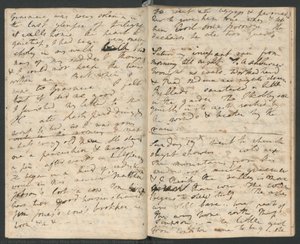
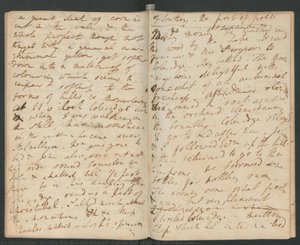
The beauty of her work lies in its intimate texture, often preserved through the very medium of her expression: the handwritten script upon aged paper. Her manuscripts serve as a bridge to a lost era, where the elegance of cursive script mirrors the organic flow of her thoughts. Notable examples of her enduring legacy include:
- A Sweet Mild Rainy Morning: A poignant study of historical intimacy, capturing the delicate atmosphere of a single moment through the beauty of aged paper and elegant script.
- Grasmere was Very Solemn: An exquisite antique manuscript that showcases her unique cursive style and the historical charm of the Grasmere landscape.
- A Sunshiny but Coldish Morning: A captivating look into the Romantic era, where the intricate details of her documentation reveal the delicate balance of nature's moods.
Legacy and Historical Significance
The significance of Dorothy Wordsworth extends far beyond the role of a mere companion to famous men. She was a foundational element of the Romantic movement, providing the raw, observational data that often fueled the poetic inspirations of her brother. Her ability to translate the ephemeral sensations of nature into permanent, written form allowed for a preservation of the English landscape that is both scientific and deeply soulful. In many ways, she provided the visual and sensory foundation upon which much of Romantic poetry was built.
Today, her work is celebrated not just as historical documentation, but as a distinct literary achievement. Her journals remain essential reading for those seeking to understand the true essence of the Lake Poets. By blending the precision of a naturalist with the heart of a poet, Dorothy Wordsworth ensured that her voice—though often whispered in the margins of history—would resonate with clarity and beauty for generations to come.