Museums on this site: The Historic New Orleans Collection
Died: 1881
Also known as: Dennis Carter
Lifespan: 61 years
Dennis Malone Carter: Bridging Irish Heritage and American Realism
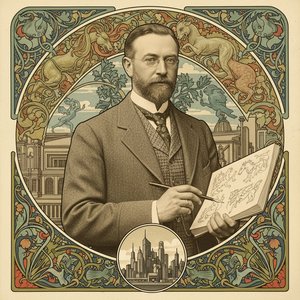
Dennis Malone Carter, a name perhaps less familiar than many of his contemporaries, nevertheless stands as a significant figure in 19th-centuryAmerican art. Born in Dublin, Ireland, around 1820 – though the exact year remains subject to some historical debate, with dates ranging from 1818 to 1827 – Carter’s life was inextricably linked to both his Celtic roots and the burgeoning artistic landscape of New York City. His early years were spent in Ireland, a land steeped in folklore and tradition, an influence subtly woven into the fabric of his later work. In 1839, he immigrated with his family to the United States, settling in New York City – a pivotal moment that profoundly shaped his artistic trajectory. This move provided access to a vibrant urban environment, exposing him to new subjects, styles, and a burgeoning American identity, ultimately leading to a distinctive synthesis of European realism and distinctly American themes.
A Painter Forged by Two Worlds
Carter’s artistic style was a fascinating blend of influences. He wasn't simply replicating the prevailing trends of his time; instead, he developed a unique approach rooted in his Irish heritage and informed by his experiences in America. His paintings often depicted scenes of everyday life – portraits of prominent figures, historical settings, landscapes imbued with a romantic sensibility, and intimate still lifes—but always with an underlying sense of observation and emotional depth. He was part of a generation grappling with the possibilities of realism and romanticism, seeking to capture not just appearances but also the essence of his subjects. His use of color was particularly noteworthy; he skillfully employed light and shadow to create atmosphere and evoke emotion, imbuing his canvases with a palpable sense of drama and immediacy. The influence of the Hudson River School is evident in some of his landscapes, while his portraits demonstrate a keen eye for capturing personality and character.
Notable Works and Artistic Techniques
Carter’s oeuvre includes a remarkable range of subjects, each treated with meticulous detail and a distinctive artistic vision. “Battle of New Orleans,” a powerful depiction of the pivotal 1815 victory, showcases his ability to convey historical events with dramatic intensity. “Decatur Boarding the Tripolitan Gunboat” is another significant work, capturing a moment of naval action with remarkable realism and dynamism. Beyond these grand historical scenes, Carter also produced numerous portraits – often characterized by their psychological depth and subtle nuances—and intimate domestic scenes that offer glimpses into the lives of his subjects. His technique involved careful observation, precise brushwork, and a masterful understanding of light and color. He favored oil paints, allowing him to build up layers of texture and create rich, luminous effects. His compositions were generally balanced and harmonious, reflecting a commitment to classical principles while simultaneously embracing a distinctly American sensibility.
Legacy and Influence
Dennis Malone Carter’s impact on the American art scene was considerable, though perhaps not as widely celebrated during his lifetime as it is today. He served as an important link between European artistic traditions and the developing American aesthetic. His work influenced subsequent generations of artists who sought to explore the possibilities of realism and romanticism in their own work. The Woodlawn Cemetery in the Bronx, where he rests, stands as a quiet testament to his enduring legacy. While not as commercially successful as some of his contemporaries, Carter’s paintings continue to be appreciated for their beauty, emotional depth, and historical significance. His ability to capture both the grandeur of American history and the intimate details of everyday life cemented his place as a notable figure in 19th-centuryAmerican art. Further research into his work reveals a dedication to portraying the human experience with sensitivity and insight—a quality that resonates powerfully even today.
Explore the life & work of Sir Daniel Macnee, a leading Scottish portrait and landscape painter. Discover his artistic evolution, influences, and legacy in 19th-century British art. Learn more at OriginalUniqueArt.
Explore Richard Wilson's groundbreaking landscape paintings & his enduring influence on contemporary installation art. Discover investment opportunities, provenance insights & the materiality of memory in this expert analysis.
20th-century Irish painters like Francis Bacon, William Orpen, and Roderic O'Conor defined an era. Find museum-quality reproductions on OriginalUniqueArt.com.
هل يمكنني استكشاف أعمال Dennis Malone Carter حسب طيف الألوان؟
يمكن استكشاف أعمال Dennis Malone Carter حسب اللون عبر صفحة تدرج الألوان الخاصة بالفنان.
هل يمكنني استكشاف أعمال Dennis Malone Carter عبر الكلمات المفتاحية؟
للعثور على أعمال Dennis Malone Carter حول موضوع معين، يمكنك زيارة صفحة حسب الكلمات المفتاحية الخاصة بالفنان، والتي تجمع الأعمال الفنية حسب الكلمات المفتاحية.
كيف يمكنني تتبع أعمال Dennis Malone Carter حسب التسلسل الزمني؟
يمكنك الاطلاع على الجدول الزمني لأعمال Dennis Malone Carter عبر صفحة التسلسل الزمني للأعمال الفنية التي ترتب الأعمال الفنية حسب تاريخ إنشائها.
كم عدد الأعمال الفنية المتاحة لـ Dennis Malone Carter؟
يمكنك تصفح 1 عمل فني من أعمال Dennis Malone Carter في صفحة كافة الأعمال الفنية.
كيف تنقسم المسيرة المهنية لـ Dennis Malone Carter إلى فترات زمنية؟
تُعد مسيرة فنية الخاصة بـ Dennis Malone Carter خطاً زمنياً تفاعلياً يعرض أعمال الفنان بترتيب زمني، مقسمة إلى فصول تمثل مراحل مسيرته المهنية.
إلى أي حقبة تاريخية ينتمي Dennis Malone Carter؟
أبدع Dennis Malone Carter خلال حقبة 19th Century، وهي الفترة التي تضع نشاط الفنان في سياقه التاريخي.
هل يمكنني تصفح أعمال Dennis Malone Carter حسب الوسيط الفني؟
للعثور على جميع أعمال Dennis Malone Carter حسب الوسيط الفني، يرجى زيارة صفحة حسب الوسيط الفني الخاصة بالفنان.
هل تتوفر جولة افتراضية ثلاثية الأبعاد لأعمال Dennis Malone Carter؟
يمكنكم القيام بزيارة افتراضية: حيث تستعرض صفحة متحف ثلاثي الأبعاد الخاصة بـ Dennis Malone Carter أعمال الفنان في معرض ثلاثي الأبعاد.