بورتريه لـ David De Coninck

لوحات David De Coninck: أشهر 17 لوحة، بعيون معرض فني

تحديث نوفمبر 2026 · مُرتبة حسب مؤشر شعبيتنا (عمليات البحث، والزيارات، والطلبات لكل عمل فني) · 18 أعمال لـ David De Coninck في كتالوجنا

باختصار

من وجهة نظر المعرض، فإن أشهر لوحة للفنان David De Coninck هي Atribuido A David De Coninck ) (1636). (antwerp Brussels) (1699) و Circle Of David De Coninck ) (1701) يكملان الثلاثية التي تدركها كل عين. من بين 18 من أعمال David De Coninck في كتالوجنا، يعرض المعرض أدناه 17 من أشهرها، كل منها عمل أصلي مع سنة إنتاجه، والمتحف الذي يضمها، وما يجعلها فريدة من نوعها.

1644 – 1701, Antwerp Baroque أكبر مجموعة أعمال: المعرض الوطني

أفضل 10 لوحات لـ David De Coninck في المعرض

4
ad Birds and Game with Gun Dogs and a Little Owl للفنان David De Coninck

ad Birds and Game with Gun Dogs and a Little Owl

Oil On Canvas · المعرض الوطني, لندن

A heavy silence settles over the scene, broken only by the stillness of the fallen. In the fading light of a setting sun, three hunting dogs rest beside an overflowing basket of game. The animals are caught in moments of quietude: one sniffs the earth, another stares into the distance, and a third watches a small owl. This owl, a common decoy, stares back with unblinking eyes. Beneath the dogs,…

لوحات David De Coninck، مرتبة من 11 إلى 17

لوحات David De Coninck الشهيرة، حسب الفترات الزمنية

المواضيع التي استأثرت باهتمام David De Coninck

المواضيع الأربعة التي تتكرر باستمرار في هذه الأعمال الأصلية، مع تقديم أروع مثال لكل منها.

المتاحف التي تحتفظ بالأعمال الأصلية لـ David De Coninck

المتاحف الـ 3 التي تضم أكبر عدد من اللوحات الموجودة في هذه الصفحة.

المتحف المدينة أعمال David De Coninck لوحات من هذه القائمة
المعرض الوطني, لندنالمعرض الوطني لندن 1 ad Birds and Game with Gun Dogs and a Little Owl
Musée d'Arts de Nantes, نانتMusée d'Arts de Nantes نانت 1 Still life with fighting cat and parrot
المتحف الوطني في وارسو, وارسوالمتحف الوطني في وارسو وارسو 1 The hunter's trophy with a dog and an owl.

David De Coninck، اللوحات المميزة لكل عام

تتراوح الأعمال الأصلية المؤرخة لـ David De Coninck في هذه الصفحة ضمن 3 عاماً، من 1699 إلى 1701: ويعرض المعرض أشهر هذه الأعمال.

الأعمال حسب السنة

اختر سنة لعرض أعمالها الأصلية.

لوحات David De Coninck: إجابات المعرض

ما هي اللوحة الأكثر شهرة لـ David De Coninck على الإطلاق؟اكتشف الإجابة

Atribuido A David De Coninck ) (1636). يليه (antwerp Brussels) (1699) و Circle Of David De Coninck ) (1701).

ما هي أفضل 10 لوحات لـ David De Coninck؟اكتشف الإجابة

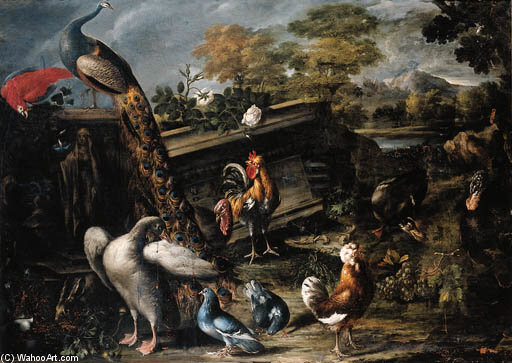
Atribuido A David De Coninck ), (antwerp Brussels), Circle Of David De Coninck ), ad Birds and Game with Gun Dogs and a Little Owl, Still life with fighting cat and parrot, River Scene with Ducks and Geese Being Attacked, A peacock, turkey, rabbits, and cockerel in a landscape, Poultry and Cat, Ostentatious still life with dog and parrot و Animals in a Garden. يوضح التصنيف أعلاه سنة كل لوحة والمتحف التابعة له.

كم عدد الأعمال التي أبدعها David De Coninck؟اكتشف الإجابة

يضم كتالوجنا 18 من أعمال David De Coninck، التي يعود تاريخها من 1699 إلى 1701.

أين تُعرض أشهر الأعمال الأصلية لـ David De Coninck؟اكتشف الإجابة

توجد غالبيتها في المعرض الوطني (لندن), Musée d'Arts de Nantes (نانت) و المتحف الوطني في وارسو (وارسو). يدرج جدول المتاحف أعلاه جميعها.

ما هي أشهر أعمال David De Coninck المبكرة والأخيرة؟اكتشف الإجابة

في هذه الصفحة، أقدم الأعمال يعود إلى (antwerp Brussels) (1699) وأحدثها يعود إلى Circle Of David De Coninck ) (1701).

ما هي المواضيع التي عاد إليها David De Coninck أكثر من غيرها؟اكتشف الإجابة

Animals (3), Birds (2) و Cats (2)، عبر 17 من الأعمال في هذه الصفحة.

ما هي المدرسة الفنية التي ينتمي إليها David De Coninck؟اكتشف الإجابة

Baroque، بناءً على الأعمال الأصلية في هذه الصفحة.

David De Coninck: الفنان

David de Coninck: A Flemish Baroque Visionary

David de Coninck (1636-1699), born in Antwerp, Belgium, stands as a pivotal figure within the flourishing Baroque artistic landscape of 17th-century Flanders. Though biographical details remain somewhat sparse – largely due to the era’s penchant for prioritizing artistic output over personal narratives – his legacy endures through an impressive oeuvre characterized by dramatic animal hunting scenes and exquisitely rendered still lifes that capture the grandeur and complexity of the period. His work exemplifies the Baroque aesthetic's obsession with dynamism, emotion, and meticulous observation of nature, cementing his place among the most celebrated artists of his time.
  • Early Life & Training: De Coninck’s formative years were spent in Antwerp, a city renowned for its artistic patronage during the Habsburg reign. Precise information regarding his formal training is elusive, but it's believed he honed his skills under the tutelage of Peter Paul Rubens, arguably the most influential painter of the Baroque era – a connection that undoubtedly shaped his stylistic sensibilities and instilled within him a profound appreciation for monumental composition and vibrant color palettes.
  • Style & Technique: De Coninck’s artistic style is instantly recognizable by its masterful execution and unwavering commitment to Baroque principles. He employed a technique known as chiaroscuro—the dramatic interplay of light and shadow—to sculpt forms with breathtaking realism, creating scenes brimming with palpable energy and conveying profound psychological depth. His brushstrokes were deliberate and confident, layering pigments with painstaking accuracy to achieve textures that mirrored the surfaces he depicted.
  • Notable Works: Among his most celebrated paintings are “Still Life with Fighting Cat and Parrot,” a captivating depiction of animal behavior imbued with symbolic significance—the parrot representing wisdom and erudition, while the cat embodies cunning and vigilance. Similarly impressive is "Atribuido A David De Coninck," showcasing an opulent arrangement of fruits, flowers, and architectural elements that exemplify the Baroque fascination for illusionistic perspective and decorative richness.
  • Influence & Legacy: De Coninck’s influence extended beyond his own lifetime, impacting subsequent generations of Flemish artists. His meticulous observation of nature and masterful use of chiaroscuro served as inspiration for painters like Johann Georg Schäffer and Jacob Savery, establishing him as a cornerstone of Baroque artistic tradition.
  • Historical Significance: David de Coninck’s contribution to the Baroque canon is undeniable. He embodies the spirit of his era—a period marked by intellectual curiosity, religious fervor, and an unprecedented surge in artistic creativity. His paintings continue to resonate with audiences today, offering a glimpse into the visual culture of Antwerp during its golden age and demonstrating the enduring power of art to convey emotion and illuminate human experience.

Further Exploration

For deeper insights into David de Coninck’s artistic achievements and broader context within Baroque art history, consider visiting Bibliothèque de l'Institut de France, where you can discover rare books and manuscripts related to Flemish painting. Alternatively, explore online resources dedicated to David de Coninck’s work at david de koninck.