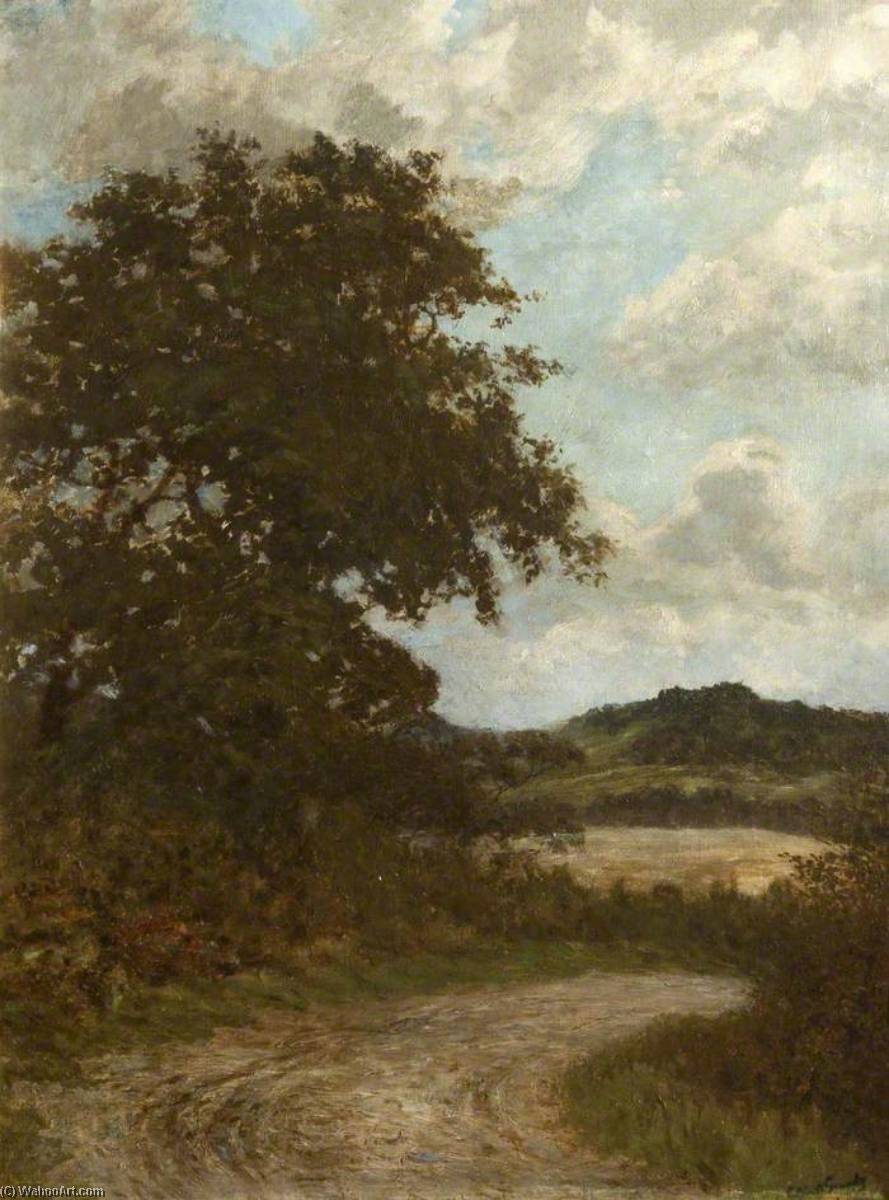
باختصار
تُعد Dawn (1900) اللوحة الأكثر جذباً للأنظار للفنان Cuthbert Cartwright Grundy؛ والنسخة الأصلية محفوظة في Grundy Art Gallery، بلاكبول. بعد ذلك، تتجه العين إلى The Old Millhouse, Milnthorpe (1900) و The End of the Village. من بين 15 من أعمال Cuthbert Cartwright Grundy في كتالوجنا، تُعد هذه 15 الأعمال هي الأكثر شهرة، حيث تُعرض كل واحدة منها كعمل أصلي فريد مع سنة إنتاجها، والمتحف الذي تضمّه، والسبب وراء خلودها.
أفضل 10 لوحات لـ Cuthbert Cartwright Grundy، بعيون المعرض
Autumn
The painting Autumn by Cuthbert Cartwright Grundy is a stunning representation of the fall season, showcasing the artist's skill in capturing the essence of nature. Created in 1919, this oil on canvas piece measures 111 x 86 cm and is currently housed at the Harris Museum - Art Gallery in Preston, United Kingdom. A Closer Look at the Painting The scene features two trees, one on the left side and…
لوحات Cuthbert Cartwright Grundy الشهيرة، من رقم 11 إلى 15
المواضيع التي استأثرت باهتمام Cuthbert Cartwright Grundy
المواضيع الأربعة التي تتكرر باستمرار في هذه الأعمال الأصلية، مع تقديم أروع مثال لكل منها.
Landscape 2 أعمال
Hills 2 أعمال
Tranquility 2 أعمال
Atmospheric 2 أعمال
المتاحف التي تحتفظ بالأعمال الأصلية لـ Cuthbert Cartwright Grundy
المتاحف الـ 5 التي تضم أكبر عدد من اللوحات الموجودة في هذه الصفحة.
| المتحف | المدينة | أعمال Cuthbert Cartwright Grundy | لوحات من هذه القائمة |
|---|---|---|---|
| بلاكبول | 4 | Dawn, The Old Millhouse, Milnthorpe, View from My Window | |
| نيوكاسل أبون تاين | 1 | Plas Mawr, Conwy | |
| بريستون | 1 | Autumn | |
| روشديل | 1 | Fresh and Breezy | |
| برستول | 1 | A Study, A Grassy Bank, with Trees |
Cuthbert Cartwright Grundy عبر العقود: لوحة أصلية فريدة لكل عقد
لوحات Cuthbert Cartwright Grundy: أسئلة حول المعرض
ما هو العمل الأكثر شهرة لـ Cuthbert Cartwright Grundy؟اكتشف الإجابة
Dawn (1900)، Grundy Art Gallery, بلاكبول. ويليها The Old Millhouse, Milnthorpe (1900) وThe End of the Village.
في أي عمر أبدع Cuthbert Cartwright Grundy عمل Dawn؟اكتشف الإجابة
عمر 54 عاماً: يعود تاريخ Dawn إلى 1900، وقد وُلد Cuthbert Cartwright Grundy في 1846.
ما هي أشهر عشر لوحات للفنان Cuthbert Cartwright Grundy؟اكتشف الإجابة
Dawn, The Old Millhouse, Milnthorpe, The End of the Village, Plas Mawr, Conwy, View from My Window, Autumn, Landscape, Coming Rain, Undisturbed و Elterwater. يوضح التصنيف أعلاه سنة كل لوحة والمتحف التابعة له.
كم عدد الأعمال المعروفة لـ Cuthbert Cartwright Grundy؟اكتشف الإجابة
يضم كتالوجنا 15 من أعمال Cuthbert Cartwright Grundy، التي يعود تاريخها من 1900 إلى 1937.
أين يمكن مشاهدة الأعمال الأصلية الأكثر شهرة لـ Cuthbert Cartwright Grundy؟اكتشف الإجابة
توجد غالبيتها في Grundy Art Gallery (بلاكبول), Laing Art Gallery (نيوكاسل أبون تاين) و Harris Museum - Art Gallery (بريستون). يدرج جدول المتاحف أعلاه جميعها.
في أي فترة زمنية أبدع Cuthbert Cartwright Grundy أشهر لوحاته؟اكتشف الإجابة
في 1900s: تم إنجاز 2 من أصل 15 من الأعمال في هذه الصفحة خلال تلك الفترة، من بينها Dawn.
ما هي أقدم لوحة فنية للفنان Cuthbert Cartwright Grundy، وما هي أحدثها؟اكتشف الإجابة
في هذه الصفحة، أقدم الأعمال يعود إلى Dawn (1900) وأحدثها يعود إلى View from My Window (1937).
ما هي الموضوعات التي كان Cuthbert Cartwright Grundy يفضلها؟اكتشف الإجابة
Landscape (2), Hills (2) و Tranquility (2)، عبر 15 من الأعمال في هذه الصفحة.
ما هي الأعمال الأصلية لـ Cuthbert Cartwright Grundy التي يمكنني رؤيتها في Grundy Art Gallery؟اكتشف الإجابة
Dawn, The Old Millhouse, Milnthorpe و View from My Window: يضم Grundy Art Gallery, بلاكبول 4 من الأعمال المعروضة في هذه الصفحة.
Cuthbert Cartwright Grundy: صورة شخصية للفنان
Cuthbert Cartwright Grundy: A Vision of Northumberland
Cuthbert Cartwright Grundy (1846 – 1946) remains a relatively obscure figure in the annals of British watercolor painting, yet his landscapes hold a quiet beauty and profound connection to the rugged terrain of Northumberland. Born into a family steeped in artistic tradition—his father was a noted sculptor—Grundy’s early life fostered an appreciation for visual art that would shape his lifelong dedication to capturing the spirit of Northern England. While biographical details remain sparse, archival records indicate he pursued formal training at Slade School of Art in London, honing his skills under influential instructors and absorbing the stylistic currents of Impressionism and Neo-Romanticism prevalent during his formative years.- Early Influences: Grundy’s artistic sensibilities were undeniably shaped by the Romantic movement's fascination with sublime landscapes and emotional expression. Artists like Turner and Constable served as beacons, demonstrating how watercolor could convey grandeur and evoke powerful feelings.
- Northumberland Obsession: From around 1890 onwards, Grundy established his studio in Kirkcudbrightshire, Scotland, but Northumberland became the focal point of his artistic endeavors. He tirelessly documented the dramatic coastline, rolling hills, and picturesque villages of Northumberland with meticulous detail and sensitivity.
A Distinctive Watercolor Style
Grundy’s technique distinguished him from many of his contemporaries. Unlike looser Impressionists who prioritized fleeting effects of light, Grundy favored a deliberate layering process—often applying multiple washes to build up tonal depth and texture. He meticulously observed the nuances of color and atmosphere, striving for accuracy while simultaneously imbuing his paintings with an emotional resonance. His palette leaned towards muted greens, blues, and browns, reflecting the subdued hues of Northumberland’s landscape. Notably, Grundy employed a technique known as ‘grisaille,’ applying thin washes of gray to establish tonal values before adding color—a method that allowed him to achieve remarkable realism and compositional control.- Detailed Observation: Grundy's approach mirrored the scientific rigor championed by Victorian naturalists; he meticulously documented geological formations, plant life, and animal behavior.
- Emotional Resonance: Despite his technical precision, Grundy’s paintings are imbued with a palpable sense of tranquility and contemplation. He sought to convey not merely what he saw but how he felt—a testament to the power of art as a vehicle for emotional expression.