بورتريه لـ Cornelis van Spaendonck

لوحات Cornelis van Spaendonck: أشهر 15 لوحة، بعيون معرض فني

تحديث نوفمبر 2026 · مُرتبة حسب مؤشر شعبيتنا (عمليات البحث، والزيارات، والطلبات لكل عمل فني) · 16 أعمال لـ Cornelis van Spaendonck في كتالوجنا

باختصار

من وجهة نظر المعرض، تُعد Still Life of Flowers (1793) أشهر لوحات Cornelis van Spaendonck، والتي تُعرض لوحتها الأصلية في Herbert F. Johnson Museum of Art، إيثاكا. Still-Life with Fruit on Table (1798) و Vase of Roses (1806) يكملان الثلاثية التي تدركها كل عين. من بين 16 من أعمال Cornelis van Spaendonck في كتالوجنا، يعرض المعرض أدناه 15 من أشهرها، كل منها عمل أصلي مع سنة إنتاجه، والمتحف الذي يضمها، وما يجعلها فريدة من نوعها.

1756 – 1839, Tilburg أكبر مجموعة أعمال: Fitzwilliam Museum

أفضل 10 لوحات لـ Cornelis van Spaendonck في المعرض

1
Still Life of Flowers (1793) للفنان Cornelis van Spaendonck

Still Life of Flowers

1793 · Oil · Herbert F. Johnson Museum of Art, إيثاكا

In this 1793 composition, we find ourselves in the presence of a lush, pyramidal arrangement that speaks to the quiet intensity of the late Baroque tradition. A large, cream-colored vase sits at the center, its ornate surface catching the light as it overflows with a dense collection of blossoms. The arrangement is not merely a display of flora but a carefully constructed study of form and shadow. Soft pink peonies…

2
Still-Life with Fruit on Table (1798) للفنان Cornelis van Spaendonck

Still-Life with Fruit on Table

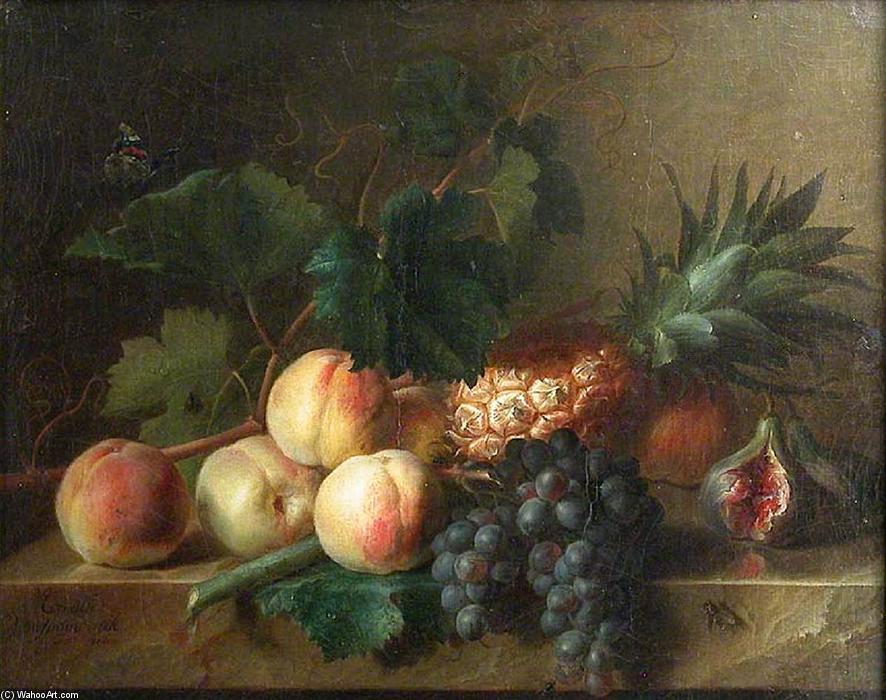
1798 · Oil On Canvas · متحف اللوفر, باريس

Gaze upon this exquisite vision of abundance, a moment captured in time that speaks volumes through its vibrant arrangement of nature's bounty. This still life, featuring an array of ripe fruit—luscious apples nestled in the foreground, stately pears positioned just behind them, and clusters of deep purple grapes alongside bright oranges—is more than mere depiction; it is a celebration of harvest and earthly pleasure. The composition is further enriched by…

3
Vase of Roses (1806) للفنان Cornelis van Spaendonck

Vase of Roses

When the Dutch painter Cornelis van Spaendonck was around the age of twenty, he settled in Paris, which had become the new center of flower painting since the mid-18th century. As the artistic director of the Sèvres porcelain manufactory between 1785 and 1800, he created a great number motifs for the porcelain pieces designed to embellish the houses of princes and royals. This bouquet containing several varieties of roses was…

لوحات Cornelis van Spaendonck، مرتبة من 11 إلى 15

المواضيع التي استأثرت باهتمام Cornelis van Spaendonck

المواضيع الأربعة التي تتكرر باستمرار في هذه الأعمال الأصلية، مع تقديم أروع مثال لكل منها.

المتاحف التي تحتفظ بالأعمال الأصلية لـ Cornelis van Spaendonck

المتاحف الـ 7 التي تضم أكبر عدد من اللوحات الموجودة في هذه الصفحة.

المتحف المدينة أعمال Cornelis van Spaendonck لوحات من هذه القائمة
Fitzwilliam MuseumFitzwilliam Museum 3 Open Wicker Basket Of Mixed Flowers, Including Tulip, Roses, Harebell, Hollyhock, Poppy, Larkspur And Auricula On A Marble Ledge, Vase Of Flowers, Open wicker basket of mixed flowers, including iris, roses, poppies, hollyhock, marigold, larkspur and convolvulus on a marble ledge
Noordbrabants Museum, 'س-هيرتوغينبوشNoordbrabants Museum 'س-هيرتوغينبوش 2 Cabbage rose, Still Life with Flowers in a Vase
Herbert F. Johnson Museum of Art, إيثاكاHerbert F. Johnson Museum of Art إيثاكا 1 Still Life of Flowers
متحف اللوفر, باريسمتحف اللوفر باريس 1 Still-Life with Fruit on Table
متحف الفنون الجميلة في ليون, ليونمتحف الفنون الجميلة في ليون ليون 1 Vase of Roses
Musée des Beaux-Arts, CarcassonneMusée des Beaux-Arts Carcassonne 1 Cornelis Van Spaendonck - Vase de fleurs avec nid
Ashmolean Museum, أكسفوردAshmolean Museum أكسفورد 1 Basket of Flowers

Cornelis van Spaendonck، لوحة أيقونية واحدة لكل عقد

الأعمال حسب العقد

اختر عقداً لتشاهد العمل الأصلي الذي يجسده.

لوحات Cornelis van Spaendonck: إجابات المعرض

ما هي اللوحة الأكثر شهرة لـ Cornelis van Spaendonck على الإطلاق؟اكتشف الإجابة

Still Life of Flowers (1793)، Herbert F. Johnson Museum of Art, إيثاكا. ويليها Still-Life with Fruit on Table (1798) وVase of Roses (1806).

كم كان عمر Cornelis van Spaendonck عند إكمال Still Life of Flowers؟اكتشف الإجابة

عمر 37 عاماً: يعود تاريخ Still Life of Flowers إلى 1793، وقد وُلد Cornelis van Spaendonck في 1756.

ما هي أفضل 10 لوحات لـ Cornelis van Spaendonck؟اكتشف الإجابة

Still Life of Flowers, Still-Life with Fruit on Table, Vase of Roses, Still Life with Fruit Basket, Vase of Flowers on a Stone Table, with a Nest and a Male Greenfinch, Cornelis Van Spaendonck - Vase de fleurs avec nid, Cabbage rose, Still Life with Flowers in a Vase, Open Wicker Basket Of Mixed Flowers, Including Tulip, Roses, Harebell, Hollyhock, Poppy, Larkspur And Auricula On A Marble Ledge و Basket and Vase of Flowers. يوضح التصنيف أعلاه سنة كل لوحة والمتحف التابعة له.

كم عدد الأعمال التي أبدعها Cornelis van Spaendonck؟اكتشف الإجابة

يضم كتالوجنا 16 من أعمال Cornelis van Spaendonck، التي يعود تاريخها من 1781 إلى 1830.

أين تُعرض أشهر الأعمال الأصلية لـ Cornelis van Spaendonck؟اكتشف الإجابة

توجد غالبيتها في Fitzwilliam Museum, Noordbrabants Museum ('س-هيرتوغينبوش) و Herbert F. Johnson Museum of Art (إيثاكا). يدرج جدول المتاحف أعلاه جميعها.

متى أبدع Cornelis van Spaendonck أشهر لوحاته؟اكتشف الإجابة

في 1780s: تم إنجاز 3 من أصل 15 من الأعمال في هذه الصفحة خلال تلك الفترة، من بينها Still Life with Fruit Basket.

ما هي أشهر أعمال Cornelis van Spaendonck المبكرة والأخيرة؟اكتشف الإجابة

في هذه الصفحة، أقدم الأعمال يعود إلى Still Life with Fruit Basket (1781) وأحدثها يعود إلى Still Life with Flowers in a Vase (1830).

ما هي المواضيع التي عاد إليها Cornelis van Spaendonck أكثر من غيرها؟اكتشف الإجابة

Flowers (4), Vase (2) و Floral arrangement (2)، عبر 15 من الأعمال في هذه الصفحة.

ما هي الأعمال الأصلية لـ Cornelis van Spaendonck التي تمتلكها Fitzwilliam Museum؟اكتشف الإجابة

Open Wicker Basket Of Mixed Flowers, Including Tulip, Roses, Harebell, Hollyhock, Poppy, Larkspur And Auricula On A Marble Ledge, Vase Of Flowers و Open wicker basket of mixed flowers, including iris, roses, poppies, hollyhock, marigold, larkspur and convolvulus on a marble ledge: يضم Fitzwilliam Museum 3 من الأعمال المعروضة في هذه الصفحة.

Cornelis van Spaendonck: الفنان

The Delicate Mastery of Cornelis van Spaendonck

In the grand tapestry of European art history, few threads possess the delicate, luminous quality found in the works of Cornelis van Spaendonck. Born in the Dutch city of Tilburg in 1756, Van Spaendonck emerged from a lineage of profound artistic dedication, beginning his journey under the tutelage of Willem Jacob Herreyns in Antwerp. This early training laid the foundation for a career that would eventually bridge the gap between the meticulous traditions of the Dutch Golden Age and the refined elegance of the French Neoclassical era. In 1773, a pivotal year that redirected the course of his life, he moved to Paris, where he joined his older brother, Gérard van Spaendonck. Together, they became central figures in the Parisian art scene, weaving a legacy of botanical precision and decorative splendor that would captivate the French Academy for decades.

The essence of Van Spaendonck’s artistry lies in his ability to transform the ephemeral into the eternal. While many artists of his era sought the drama of historical epic or the grandeur of portraiture, Cornelis found his muse in the quiet, intimate corners of the natural world. His mastery of oils and gouache allowed him to capture the translucent petals of a rose, the velvety texture of a tulip, and the subtle, dewy moisture on a leaf with an almost scientific accuracy. His compositions often transcend mere botanical documentation; they are poetic meditations on life and decay. In works such as "Open Wicker Basket Of Mixed Flowers," one can sense the artist's profound reverence for each individual bloom, from the sturdy hollyhock to the delicate harebell, all arranged with a grace that feels both spontaneous and perfectly balanced.

A Legacy of Porcelain and Prestige

Van Spaendonck’s influence extended far beyond the canvas, reaching into the very fabric of decorative arts that defined 18th-century luxury. His tenure as the director of the prestigious Sèvres porcelain factory from 1785 to 1800 represents a remarkable intersection of fine art and industrial design. During this period, his botanical sensibilities were translated into exquisite motifs for porcelain, bringing the beauty of the natural world to the tables of the European aristocracy. Even after his administrative departure from Sèvres in 1800, his creative spirit remained tethered to the manufactory, as he continued to design decorative elements that would become hallmarks of French elegance until 1808.

His professional stature was further solidified by his membership in the Académie des Beaux Arts, a distinction he earned in 1789. This prestigious affiliation provided him with a continuous platform to showcase his botanical wonders to the most discerning eyes in Europe. His work often featured more than just flora; he possessed a singular talent for integrating small, living details that breathed life into his still lifes. A wandering bee, a shimmering dragonfly, or a tiny bird's nest tucked among the stems served as subtle reminders of the interconnectedness of nature, adding layers of narrative depth to his compositions.

The historical significance of Cornelis van Spaendonck is found not only in his individual achievements but also in the lineage of talent he helped cultivate. As a mentor to artists like Frédéric Bouchardy, he ensured that the tradition of meticulous botanical illustration would endure into the next century. His life’s work remains a testament to the power of observation and the enduring allure of the natural world, offering a window into an era where beauty was captured with unparalleled precision and profound affection.