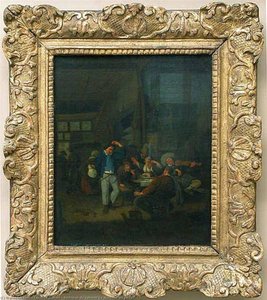
بورتريه لـ Cornelis Dusart

لوحات Cornelis Dusart: أشهر 37 لوحة، بعيون معرض فني

تحديث نوفمبر 2026 · مُرتبة حسب مؤشر شعبيتنا (عمليات البحث، والزيارات، والطلبات لكل عمل فني) · 40 من أعمال Cornelis Dusart في كتالوجنا

باختصار

من وجهة نظر المعرض، تُعد Peasants in Front of an Inn (1681) أشهر لوحات Cornelis Dusart، والتي تُعرض لوحتها الأصلية في متحف الفنون التاريخية، فيينا. Village inn (1690) و Country Inn with Hurdy-Gurdy Player (1681) يكملان الثلاثية التي تدركها كل عين. من بين 40 من أعمال Cornelis Dusart في كتالوجنا، يعرض المعرض أدناه 37 من أشهرها، كل منها عمل أصلي مع سنة إنتاجه، والمتحف الذي يضمها، وما يجعلها فريدة من نوعها.

1660 – 1704, Haarlem Dutch golden age أكبر مجموعة أعمال: Rijksmuseum

أفضل 10 لوحات لـ Cornelis Dusart في المعرض

1
Peasants in Front of an Inn (1681) للفنان Cornelis Dusart

Peasants in Front of an Inn

1681 · Oil On Panel · متحف الفنون التاريخية, فيينا

The air outside the inn feels heavy with the scent of damp earth and woodsmoke. Under the shade of a leafy canopy, a group of peasants gathers, their bodies leaning into the ease of a midday rest. There is a palpable sense of movement held in suspension; a man sits perched on a bench, perhaps listening to the low murmur of conversation or the distant sound of a traveler approaching.…

2
Village inn (1690) للفنان Cornelis Dusart

Village inn

1690 · Oil On Panel · Rijksmuseum, أمستردام

In this 1690 oil on panel, we find ourselves drawn into the quiet, unhurried rhythm of a Dutch village inn. The scene is one of communal leisure, where the boundaries between public social life and private intimacy blur under the soft, natural light of a rural afternoon. In the foreground, a man and a woman sit together, their presence grounding the composition with a sense of lived experience. He holds…

3
Country Inn with Hurdy-Gurdy Player (1681) للفنان Cornelis Dusart

Country Inn with Hurdy-Gurdy Player

1681 · Painting · Städel Museum, فرانكفورت

A group of peasants gathers in the courtyard of a rustic, thatched-roof inn. The composition is crowded, with figures occupying the foreground and midground to create a sense of social activity. On the right, the heavy architecture of the building provides a structured frame, while foliage on the left balances the scene. The light originates from the upper left, casting soft shadows across the courtyard and highlighting the central figures.…

لوحات Cornelis Dusart، مرتبة من 11 إلى 37

المواضيع التي استأثرت باهتمام Cornelis Dusart

المواضيع الأربعة التي تتكرر باستمرار في هذه الأعمال الأصلية، مع تقديم أروع مثال لكل منها.

المتاحف التي تحتفظ بالأعمال الأصلية لـ Cornelis Dusart

المتاحف الـ 8 التي تضم أكبر عدد من اللوحات الموجودة في هذه الصفحة.

المتاحف المدينة أعمال Cornelis Dusart لوحات من هذه القائمة
Rijksmuseum, أمستردامRijksmuseum أمستردام 6 Village inn, A Mother with her Children, Village fair
Statens Museum For Kunst, كوبنهاغنStatens Museum For Kunst كوبنهاغن 2 Bagpiper at an Inn, Peasants outside an Inn
متحف فرانس هالس, Harenمتحف فرانس هالس Haren 2 Drinking party, The Notary
متحف الفنون التاريخية, فيينامتحف الفنون التاريخية فيينا 1 Peasants in Front of an Inn
Städel Museum, فرانكفورتStädel Museum فرانكفورت 1 Country Inn with Hurdy-Gurdy Player
متاحف الفنون الجميلة في سان فرانسيسكو, سان فرانسيسكومتاحف الفنون الجميلة في سان فرانسيسكو سان فرانسيسكو 1 Village Scene
المتحف الوطني في وارسو, وارسوالمتحف الوطني في وارسو وارسو 1 Fish scraping
National Gallery of Ireland, مدينة دبلنNational Gallery of Ireland مدينة دبلن 1 A Merry-making

Cornelis Dusart، لوحة أيقونية واحدة لكل عقد

الأعمال حسب العقد

اختر عقداً لتشاهد العمل الأصلي الذي يجسده.

لوحات Cornelis Dusart: إجابات المعرض

ما هي اللوحة الأكثر شهرة لـ Cornelis Dusart على الإطلاق؟اكتشف الإجابة

Peasants in Front of an Inn (1681)، متحف الفنون التاريخية, فيينا. ويليها Village inn (1690) وCountry Inn with Hurdy-Gurdy Player (1681).

كم كان عمر Cornelis Dusart عند إكمال Peasants in Front of an Inn؟اكتشف الإجابة

عمر 21 عاماً: يعود تاريخ Peasants in Front of an Inn إلى 1681، وقد وُلد Cornelis Dusart في 1660.

ما هي أفضل 10 لوحات لـ Cornelis Dusart؟اكتشف الإجابة

Peasants in Front of an Inn, Village inn, Country Inn with Hurdy-Gurdy Player, Village Scene, teasing the cat, Fish scraping, A Merry-making, A kermess, Bagpiper at an Inn و Peasants outside an Inn. يوضح التصنيف أعلاه سنة كل لوحة والمتحف التابعة له.

كم عدد الأعمال التي أبدعها Cornelis Dusart؟اكتشف الإجابة

يضم كتالوجنا 40 من أعمال Cornelis Dusart، التي يعود تاريخها من 1679 إلى 1702.

أين تُعرض أشهر الأعمال الأصلية لـ Cornelis Dusart؟اكتشف الإجابة

توجد غالبيتها في Rijksmuseum (أمستردام), Statens Museum For Kunst (كوبنهاغن) و متحف فرانس هالس (Haren). يدرج جدول المتاحف أعلاه جميعها.

متى أبدع Cornelis Dusart أشهر لوحاته؟اكتشف الإجابة

في 1680s: تم إنجاز 11 من أصل 37 من الأعمال في هذه الصفحة خلال تلك الفترة، من بينها Peasants in Front of an Inn.

ما هي أشهر أعمال Cornelis Dusart المبكرة والأخيرة؟اكتشف الإجابة

في هذه الصفحة، أقدم الأعمال يعود إلى The Milk Seller (1679) وأحدثها يعود إلى Drinking party (1702).

ما هي المواضيع التي عاد إليها Cornelis Dusart أكثر من غيرها؟اكتشف الإجابة

Inn (3), Woman (3) و Men (3)، عبر 37 من الأعمال في هذه الصفحة.

ما هو الوسيط الفني الذي استخدمه Cornelis Dusart بشكل أكبر؟اكتشف الإجابة

Oil On Panel، لـ 4 من أصل 37 من الأعمال في هذه الصفحة.

ما هي المدرسة الفنية التي ينتمي إليها Cornelis Dusart؟اكتشف الإجابة

Dutch golden age و Baroque، بناءً على الأعمال الأصلية في هذه الصفحة.

ما هي الأعمال الأصلية لـ Cornelis Dusart التي تمتلكها Rijksmuseum؟اكتشف الإجابة

Village inn, A Mother with her Children و Village fair: يضم Rijksmuseum, أمستردام 6 من الأعمال المعروضة في هذه الصفحة.

Cornelis Dusart: الفنان

Cornelis Dusart: A Window into Dutch Everyday Life

Cornelis Dusart (1660-1704) stands as a fascinating figure within the Haarlem School of painting, offering viewers a glimpse into the vibrant tapestry of 17th-century Dutch society. Unlike many artists of his era focused on grand historical narratives or mythological subjects, Dusart dedicated himself to capturing the commonplace – itinerant peddlers haggling in bustling marketplaces and intimate scenes unfolding within taverns. This deliberate choice reveals a profound interest in portraying the realities of daily life, reflecting a humanist sensibility that was gaining momentum during the Golden Age. His artistic training began under the tutelage of Rembrandt Harmenszoon van Rijn, arguably the most influential painter of his time, cementing Dusart’s connection to the stylistic innovations emerging from Leiden and Amsterdam. Rembrandt's emphasis on dramatic lighting and psychological realism undoubtedly shaped Dusart’s approach, fostering a meticulous attention to detail that distinguishes his oeuvre. However, Dusart developed a unique style—characterized by soft brushstrokes and subtle tonal gradations—that subtly diverged from Rembrandt’s bolder palette. This distinctive technique allowed him to convey atmosphere and emotion with remarkable sensitivity. Dusart's prolific output spanned numerous commissions, primarily focusing on genre scenes. He skillfully rendered the textures of fabrics, the expressions of faces, and the nuances of light and shadow, creating images that feel remarkably authentic. Consider “The Street Seller,” a captivating depiction of a peddler engaging in trade—the artist’s meticulous observation captures not only the physical appearance of the scene but also the palpable energy of the marketplace. Similarly, "The Quack" portrays a physician examining a patient with quiet dignity and precision, highlighting Dusart's ability to convey psychological depth within seemingly simple compositions. Furthermore, Dusart’s work exemplifies the burgeoning fascination with realism that permeated Dutch art circles during his lifetime. He wasn’t merely documenting what he saw; he was striving to evoke feeling and understanding in the viewer. This ambition aligns perfectly with the broader cultural context of the period—a time marked by intellectual curiosity and a desire to represent human experience accurately. Dusart's contribution to Haarlem School painting is significant not only for its stylistic merits but also for its enduring portrayal of ordinary life, securing his place as an artist who captured the spirit of his era with remarkable artistry.
  • Notable Commissions: Dusart undertook numerous commissions for wealthy patrons and civic institutions, showcasing his versatility and artistic skill.
  • Influences: Rembrandt van Rijn’s masterful use of light and psychological realism profoundly impacted Dusart's artistic development.
  • Technique: Dusart employed soft brushstrokes and tonal gradations to create atmospheric paintings imbued with emotion and subtlety.

Major Achievements & Legacy

Dusart’s enduring legacy resides in his ability to distill the essence of everyday life into powerfully evocative images. His genre scenes continue to resonate with audiences today, offering insights into the social customs and psychological complexities of 17th-century Holland. While Dusart may not command the same level of fame as Rembrandt or Vermeer, his meticulous style and humanist vision solidify his position as a pivotal artist within the Haarlem School—a testament to the transformative power of observing and representing the human condition with unwavering dedication.