بورتريه لـ Charles Sellier

أشهر 3 لوحات لـ Charles Sellier، كل واحدة منها فريدة من نوعها

تحديث نوفمبر 2026 · مُرتبة حسب مؤشر شعبيتنا (عمليات البحث، والزيارات، والطلبات لكل عمل فني) · 3 من أعمال Charles Sellier في كتالوجنا

باختصار

تُعد Portrait de Napolitaine (1860) اللوحة الأكثر جذباً للأنظار للفنان Charles Sellier؛ والنسخة الأصلية محفوظة في متحف أورسيه، باريس. بعد ذلك، تتجه العين إلى Woman with Pearl (1875) و Head of Christ (1883). من بين 3 من أعمال Charles Sellier في كتالوجنا، تُعد هذه 3 الأعمال هي الأكثر شهرة، حيث تُعرض كل واحدة منها كعمل أصلي فريد مع سنة إنتاجها، والمتحف الذي تضمّه، والسبب وراء خلودها.

1830 – 1882, Nancy أكبر مجموعة أعمال: متحف الفنون الجميلة في نانسي

أفضل 10 لوحات لـ Charles Sellier، بعيون المعرض

1
Portrait de Napolitaine (1860) للفنان Charles Sellier

Portrait de Napolitaine

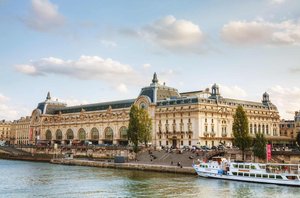
1860 · Oil On Canvas · متحف أورسيه, باريس

This close-up bust portrait presents a Neapolitan woman in a moment of quiet contemplation. She is framed by a voluminous red hat that matches the deep tones of her garment, creating a sense of unified color that draws the eye toward her face. A simple pearl necklace rests against her attire, providing a subtle point of light against the darker fabrics. Her expression is dignified, carrying a certain introspective quality…

المتاحف التي تحتفظ بالأعمال الأصلية لـ Charles Sellier

المتاحف 2 التي تضم أكبر عدد من اللوحات الموجودة في هذه الصفحة.

المتاحف المدينة أعمال Charles Sellier لوحات من هذه القائمة
متحف الفنون الجميلة في نانسي, نانسيمتحف الفنون الجميلة في نانسي نانسي 2 Woman with Pearl, Head of Christ
متحف أورسيه, باريسمتحف أورسيه باريس 1 Portrait de Napolitaine

Charles Sellier عبر السنين: الأعمال الأصلية الفريدة لكل منها

مسيرة مهنية حافلة تمتد لـ 16 عاماً، من 1860 إلى 1875: أشهر الأعمال الأصلية لـ Charles Sellier، معروضة عاماً تلو الآخر.

الأعمال حسب السنة

اختر سنة لعرض أعمالها الأصلية.

لوحات Charles Sellier: أسئلة حول المعرض

ما هو العمل الأكثر شهرة لـ Charles Sellier؟اكتشف الإجابة

Portrait de Napolitaine (1860)، متحف أورسيه, باريس. ويليها Woman with Pearl (1875) وHead of Christ (1883).

في أي عمر أبدع Charles Sellier عمل Portrait de Napolitaine؟اكتشف الإجابة

عمر 30 عاماً: يعود تاريخ Portrait de Napolitaine إلى 1860، وقد وُلد Charles Sellier في 1830.

كم عدد الأعمال المعروفة لـ Charles Sellier؟اكتشف الإجابة

يضم كتالوجنا 3 من أعمال Charles Sellier، التي يعود تاريخها من 1860 إلى 1875.

أين يمكن مشاهدة الأعمال الأصلية الأكثر شهرة لـ Charles Sellier؟اكتشف الإجابة

توجد غالبيتها في متحف الفنون الجميلة في نانسي (نانسي) و متحف أورسيه (باريس). يدرج جدول المتاحف أعلاه جميعها.

ما هي أقدم لوحة فنية للفنان Charles Sellier، وما هي أحدثها؟اكتشف الإجابة

في هذه الصفحة، أقدم الأعمال يعود إلى Portrait de Napolitaine (1860) وأحدثها يعود إلى Woman with Pearl (1875).

ما هي الأعمال الأصلية لـ Charles Sellier التي يمكنني رؤيتها في متحف الفنون الجميلة في نانسي؟اكتشف الإجابة

Woman with Pearl و Head of Christ: يضم متحف الفنون الجميلة في نانسي, نانسي 2 من الأعمال المعروضة في هذه الصفحة.

Charles Sellier: صورة شخصية للفنان

The Quiet Shadow of Nancy

Born in Nancy, France, Charles Sellier began his life far from the grand halls of the academy. His father worked as a gardener, and the young boy’s first brush with professional painting came through an apprenticeship as a house-painter. This early contact with the physical labor of pigment and surface stayed with him. By 1846, he was a student at the École des beaux-arts de Nancy under Louis Leborne. He did not stop at the canvas; he spent time between 1849 and 1851 studying anatomy at the École Préparatoire de Médecine de Nancy, learning the structure of the human form through a medical lens.

His path led him to Paris in 1852, where he worked in the studios of Léon Coignet before entering the École des Beaux-Arts. He was a man of quiet habits, often retreating into himself. This reserved nature became more pronounced after the loss of both his parents in 1863. He eventually returned to his roots in Nancy, where he spent his later years as the Director of the École de Peinture et de Dessin from 1866 to 1871.

Light and Shadow in the Studio

Sellier’s work often focused on mythological and historical subjects, but his approach to light set him apart from his contemporaries. His 1857 depiction of the resurrection of Lazarus caused a stir. While the academic tradition favored a different clarity, his use of deep chiaroscuro created a sense of drama that some found strange. This heavy, dark light suggested an influence from Rembrandt, pulling the viewer into a more intense, atmospheric space.

His technical development was marked by several specific pursuits:

  • The study of anatomy to inform his historical figures.
  • The use of intense chiaroscuro to create depth in religious scenes.
  • A focus on mythological themes that hinted at the coming Art Nouveau style.

A Legacy in the Local Museum

Though he did not seek the spotlight during his lifetime, his presence remains in the places he helped shape. He left much of his work to the city of Nancy, where pieces like Woman with Pearl and Portrait de Napolitaine can be found. His paintings are held in the Museum of Fine Arts and the Musée de l'École. In the streets of Nancy and Houdemont, his name is etched into the landscape, a permanent mark of a man who lived a life of quiet, disciplined observation.