الرؤيوي الفلورنسي: حياة وإرث تشيكينو ديل سالفياتي
في المشهد النابض والمتغير للقرن السادس عشر، لم ينجح سوى قلة من الفنانين في تجسيد الطاقة القلقة للحركة المانييرية بعمق يضاهي ما حققه فرانشيسكو سالفياتي، المعروف تاريخياً بلقبه المؤثر، تشيكينو ديل سالفياتي. ولد تشيكينو في فلورنسا حوالي عام 1510 لينتمي إلى سلالة من الموهبة الإبداعية—حيث كان والده الرسام فرانشيسكو روسي—فكان مقدراً له حياة غارقة في التعقيدات الجمالية لعصر النهضة الإيطالي. لم تكن سنواته الأولى مجرد تعليم للتقنيات الفنية، بل كانت انغماساً في جوهر النزعة الإنسانية الفلورنسية. وتحت رعاية المعلم الكبير أندريا ديل سارتو، استوعب تشيكينو أساساً من الواقعية الدقيقة والرشاقة التكوينية، ومع ذلك، امتلك دافعاً فطرياً لتجاوز التناغم المتوازن لأسلافه نحو أسلوب أكثر تجريبية وشحناً بالعاطفة.
تحول مسار مسيرته المهنية بشكل دراماتيكي حوالي عام 1531 عندما استدعاه الكاردينال المؤثر جيوفاني سالفياتي إلى روما. هذا الانتقال من ورش العمل المنضبطة في فلورنسا إلى المسرح البابوي العظيم في روما سمح لتشيكبينو بالازدهار وسط أرقى رعاة العصر. وفي هذه الأجواء الرومانية، بدأ أسلوبه يتطور ليصبح النموذج الجوهري للمدرسة المانييرية؛ حيث ابتعد عن الاستقرار الهادئ لعصر النهضة العالي، متبنياً لغة من التصنع، والأناقة، والتوتر. وأصبحت أعماله ساحة للأطراف المستطيلة، والتكوينات غير المتماثلة، والاستخدام المتطور للألوان التي يمكنها استحضار الجلال الإلهي والعمق النفسي المربك في آن واحد.
براعة الفريسكو وروح المانييرية
وجد عبقرية تشيكينو الحقيقية تعبيرها الأكثر ديمومة في فن الفريسكو (الرسم على الجص). فقد امتلك قدرة نادرة على تحويل الجص البارد إلى سرديات سماوية تنبض بالحياة. وقد سمحت له براعته في هذه التقنية بتزيين المساحات المقدسة في روما بإحساس بالضخامة والتفاصيل المعقدة. ولا يمكن للمرء أن يناقش إسهاماته دون التأمل في قدرته على التعامل مع المتطلبات المعقدة للأيقونات الدينية مع ضخ لمسة عصرية، تكاد تكون مسرحية، فيها. ففي أعمال مثل تتويج الإله مع الملائكة، يقدم عرضاً يحبس الأنفاس من الرشاقة، حيث تبدو السماوات وكأنها تهبط عبر طبقات من الضوء الأثيري المتماوج والأقمشة المرسومة بدقة متناهية.
وغالباً ما تميز نهجه السردي بالابتعاد عن القواعد الكلاسيكية الصارمة لصالح الكثافة العاطفوة. ففي تصويره للأحداث الكتابية، مثل شك سانت توماس، استخدم السمات المميزة للمدرسة المانييرية—من منظور مشوه وتكوينات مزدحمة ومعقدة—لزيادة دراما اللحظة. ولم يكن هذا الخيار الأسلوبي مجرد زينة؛ بل كان يهدف إلى إشراك المشاهد على مستوى حسي، وجذبه إلى الصراع الروحي والتوتر المعجز في المشهد. إن قدرته على الموازنة بين الضخامة والحميمية سمحت له بتلبية الاحتياجات المعمارية الكبرى للكنائس والمتطلبات النفسية الأكثر شخصية لفن البورتريه.
بصمة خالدة في تاريخ الفن
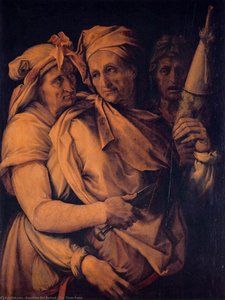
بعيداً عن دوراته الدينية واسعة النطاق، ترك تشيكينو ديل سالفياتي بصمة لا تُمحى من خلال لوحاته الشخصية وأعماله الزخرفية. إن قدرته على التقاط شخصية ومكانة موضوعاته الاجتماعية—كما نرى غالباً في بورتريه شاب—تظهر تنوعاً جسر الفجوة بين ما هو مقدس وما هو دنيوي. وبصفته رساماً عاصر الانتقال من استقرار عصر النهضة إلى التعقيد التعبيري للمدرسة المانييرية، فقد عمل كحلقة وصل حيوية في تطور الفن الإيطالي. وتعكس أعماله افتتان ذلك العصر بـ البراعة التقنية والسعي وراء جمالية تتحدى العين وتثير الروح.
وعلى الرغم من أن حياته انتهت مبكراً في روما عام 1563، إلا أن إرث تشيكينو ديل سالفياتي يظل محفوراً في جدران أعرق البازيليكات الإيطالية. إنه يقف كرائد ساعد في تحديد عصر التجريب الفني، مثبتاً أن الجمال لا يمكن العثود إليه فقط في التناسب المثالي، بل أيضاً في التشوهات الجميلة والظلال الدرامية للتجربة الإنسانية. وتستمر إسهاماته في تقديم نافذة للباحثين ومحبي الفن على حد سواء إلى حقبة من الشجاعة الإبداعية التي لا تضاهى.