Kurt Jackson: Bridging Abstract Expressionism and Landscape Impression
Kurt Jackson (b. 1961) stands as a distinctive voice within contemporary
British art, blending the dynamism of
Abstract Expressionism with the
serene beauty of
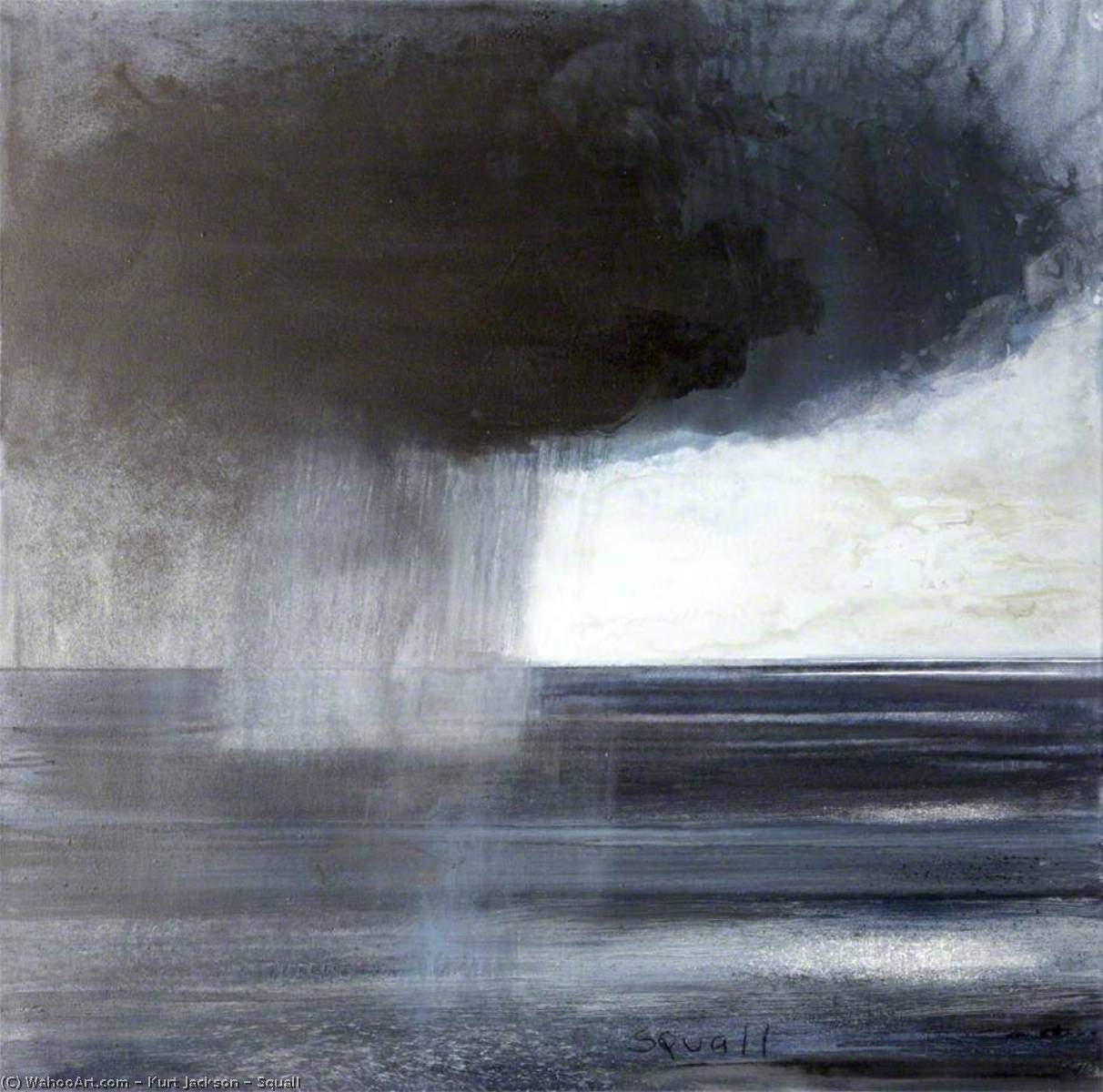
landscape painting. Born in Stoke-on-Trent, Staffordshire, his artistic journey began amidst the industrial heritage of the Potteries, fostering an early fascination with texture and materiality – influences that would permeate his subsequent work. Jackson’s distinctive style is characterized by bold color palettes juxtaposed against textured impasto surfaces, creating canvases brimming with emotion and capturing
fleeting moments of natural grandeur.
- Early Influences: Jackson's formative years were shaped by the gritty landscapes of Stoke-upon-Trent and a deep appreciation for the expressive techniques pioneered by artists like Willem de Kooning and Franz Kline. These encounters instilled in him a conviction that abstraction could serve as a conduit for conveying profound feelings about the natural world.
- Technique & Material Exploration: Jackson’s artistic process is marked by meticulous experimentation with various mediums, including watercolor, acrylics, oil paints, and mixed media. He frequently incorporates found objects – stones, driftwood, and even soil – into his paintings, elevating them beyond mere representation to become tactile explorations of form and texture.
- Notable Works: Among Jackson’s celebrated pieces are “Across to the Mount,” a monumental watercolor depicting coastal cliffs bathed in sunlight; “Sun and Rain, Strong Winds, Drilling Carnsew Mine,” a dramatic depiction of a Cornish mine site capturing industrial energy against atmospheric conditions; and “Greece,” an impressionistic landscape portraying rural Greece with evocative color harmonies.
- Critical Recognition: Jackson’s work has garnered considerable acclaim from critics and collectors alike. He was awarded the Turner Prize in 2003, cementing his position as one of Britain's most prominent artists of his generation.
The Legacy of Abstract Expressionism & Luminist Vision
Jackson’s artistic vision draws heavily from the principles of
Abstract Expressionism, particularly the emphasis on spontaneous gesture and
emotional intensity—a reaction against the formalism prevalent in earlier art movements. However, unlike many of his contemporaries who focused solely on internal psychological landscapes, Jackson consistently returns to external observation, channeling Luminist influences into his depictions of natural environments. This dual inspiration informs his approach, resulting in paintings that resonate with both visceral energy and contemplative stillness.
- De Kooning & Kline Influence: The influence of Willem de Kooning’s gestural brushstrokes and Franz Kline's stark black-and-white compositions is palpable in Jackson’s canvases. He strives to capture the immediacy of experience, mirroring the expressive fervor characteristic of these seminal artists.
- Luminist Aesthetic: Drawing inspiration from Luminist painters like Frederic Church and Albert Bierstadt, Jackson seeks to convey a sense of grandeur and sublime beauty—emphasizing atmospheric perspective and capturing the emotional impact of landscapes on the human spirit.
Exploring Texture & Emotion Through Mixed Media
Jackson’s artistic signature lies in his masterful manipulation of texture and color, achieved through innovative
mixed media techniques. He painstakingly builds up layers of paint—often incorporating sand, stone fragments, and other natural materials—creating surfaces that pulsate with physicality and inviting viewers to engage their senses. This tactile approach is complemented by a deliberate use of color palettes designed to evoke specific moods and sensations.
- Impasto Technique: Jackson’s signature impasto technique – applying paint thickly onto the canvas – generates palpable surface relief, mirroring the ruggedness of his subjects and amplifying their emotional resonance.
- Color Harmony & Symbolism: He employs color harmonies that are both harmonious and dissonant, reflecting the complexities of human experience and subtly hinting at underlying symbolic meanings within his landscapes.
A Continuing Artistic Voice
Despite achieving considerable success and recognition, Kurt Jackson remains committed to pushing artistic boundaries and exploring new avenues for expression. His ongoing engagement with contemporary themes—such as climate change and the relationship between humanity and nature—underscores his unwavering belief in art’s capacity to provoke reflection and inspire action. He continues to produce evocative paintings that celebrate the beauty of the natural world while simultaneously confronting urgent societal challenges, ensuring that Jackson's
artistic legacy persists as a testament to both visual artistry and intellectual engagement.



 University of Exeter
 New County Hall
 Royal West of England Academy
 Penlee House Gallery - Museum
 st Peter's College
 The Met Office