بورتريه لـ بارتولوميو أمانياتي

لوحات بارتولوميو أمانياتي: أشهر 15 لوحة، بعيون معرض فني

تحديث نوفمبر 2026 · مُرتبة حسب مؤشر شعبيتنا (عمليات البحث، والزيارات، والطلبات لكل عمل فني) · 15 أعمال لـ بارتولوميو أمانياتي في كتالوجنا

باختصار

من وجهة نظر المعرض، تُعد Fountain of Neptune (1559) أشهر لوحات بارتولوميو أمانياتي، والتي تُعرض لوحتها الأصلية في Piazza della Signoria، فلورنسا. Parnassus (1563) و Allegory of Winter (1563) يكملان الثلاثية التي تدركها كل عين. من بين 15 من أعمال بارتولوميو أمانياتي في كتالوجنا، يعرض المعرض أدناه 15 من أشهرها، كل منها عمل أصلي مع سنة إنتاجه، والمتحف الذي يضمها، وما يجعلها فريدة من نوعها.

1511 – 1592, سيتينيانو Mannerism أكبر مجموعة أعمال: Piazza della Signoria

أفضل 10 لوحات لـ بارتولوميو أمانياتي في المعرض

1
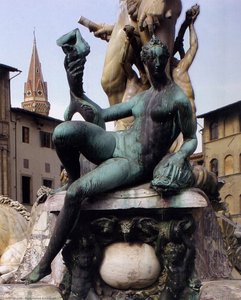
Fountain of Neptune (1559) للفنان بارتولوميو أمانياتي

Fountain of Neptune

1559 · Marble · Piazza della Signoria, فلورنسا

In the heart of the Piazza della Signoria in Florence, Italy, the Fountain of Neptune by Bartolomeo Ammanati commands the space near the northwest corner of the Palazzo Vecchio. This monumental sculpture emerges from the urban landscape, a grand presence amidst the stone and shadow of the city. The work was commissioned by Cosimo I de' Medici in 1559, a gesture intended to celebrate the marriage of his son, Francesco…

2
Parnassus (1563) للفنان بارتولوميو أمانياتي

Parnassus

1563 · Marble · Museo Nazionale del Bargello, فلورنسا

The marble figure known as Parnassus emerges from the shadows of history, a creation of the sculptor Bartolomeo Ammanati. Dating to about 1563, this work breathes life into the ancient myths that once governed the imagination of the Renaissance. The stone captures a moment of stillness within a realm of legend, inviting the viewer to wonder at the divine stories carved into its very surface.

3
Allegory of Winter (1563) للفنان بارتولوميو أمانياتي

Allegory of Winter

1563 · Stone · Villa Medici, كاستلروتو

In this stone sculpture, we encounter a figure that seems to have emerged from the very earth it inhabits. The subject is an older male, his form seated in a posture of profound stillness, reminiscent of a scholar lost in thought. His hair and beard are rendered with a detailed texture that suggests the passage of many years, catching the light in a way that emphasizes the deep lines of…

4
Victory (1540) للفنان بارتولوميو أمانياتي

Victory

1540 · Marble · Museo Nazionale del Bargello, فلورنسا

In the quiet presence of Victory, the goddess Nike emerges from the stone, frozen in a moment of divine triumph. Created by Bartolomeo Ammanati about 1540, this classical sculpture captures the very essence of the Greek deity. She exists here not as a static symbol, but as a living force of motion and grace. Every line of her form suggests a sudden, purposeful movement, as if she has just descended…

5
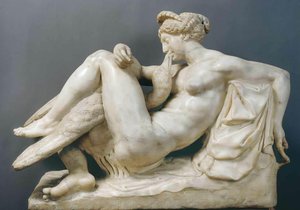
Leda with the Swan (1540) للفنان بارتولوميو أمانياتي

Leda with the Swan

1540 · Marble · Museo Nazionale del Bargello, فلورنسا

In this marble work, titled Leda with the Swan, Bartolomeo Ammanati explores a moment of profound mythological tension. Created about 1540, the sculpture captures the intimate and transformative encounter between the Spartan queen Leda and the god Zeus. Having taken the form of a swan to approach her, Zeus initiates a sequence of events that would lead to Leda bearing his children. The piece focuses on this specific, quiet intersection…

6
Courtyard (1558) للفنان بارتولوميو أمانياتي

Courtyard

1558 · قصر بيتي, فلورنسا

In this depiction of Courtyard, Bartolomeo Ammanati captures a quiet moment within the Palazzo Pitti in Florence, Italy. Created about 1558, the work presents a view of the architectural heart of the palace. The scene focuses on two ornate buildings characterized by their classical facades. These structures, defined by their rhythmic columns and arches, frame the central space of the courtyard.

7
Courtyard (1558) للفنان بارتولوميو أمانياتي

Courtyard

1558 · Photography · قصر بيتي, فلورنسا

Sunlight filters through an overcast sky, casting a soft, diffused glow over the grand courtyard of the Palazzo Pitti in Florence, Italy. The air feels heavy with the quiet dignity of the Renaissance, a stillness broken only by the gentle movement of people drifting through the space. At the heart of this stone enclosure, a large fountain acts as a central anchor, its water reflecting the muted colors of the…

8
Fountain of Neptune (1559) للفنان بارتولوميو أمانياتي

Fountain of Neptune

1559 · Marble · Piazza della Signoria, فلورنسا

In the heart of Piazza della Signoria, Florence, the marble figure of Neptune rises from an octagonal basin. The sculpture, dated 1559, captures the god in a moment of dynamic tension. His muscular torso twists as he prepares to strike, a movement mirrored by the surrounding mythological figures. This work marks a transition from the balanced stability of the Renaissance toward the theatricality of the Baroque. The god's face bears…

9
Fountain of Neptune (1559) للفنان بارتولوميو أمانياتي

Fountain of Neptune

1559 · Marble · Piazza della Signoria, فلورنسا

In the heart of Piazza della Signoria, Florence, the Fountain of Neptune rises as a monumental assertion of maritime power. Commissioned in 1559 by Cosimo I de' Medici, the sculpture was intended to celebrate the marriage of his son, Francesco I, while simultaneously projecting the growing naval ambitions of the Florentine state. The central figure of Neptune, the Roman god of water, is captured in a moment of dynamic tension.…

10
Fountain of Neptune (1559) للفنان بارتولوميو أمانياتي

Fountain of Neptune

1559 · Marble · Piazza della Signoria, فلورنسا

Located in the Piazza della Signoria, this marble and bronze ensemble emerged from a period of intense political and artistic transition. Commissioned by Cosimo I de' Medici in 1559, the work was intended to celebrate the marriage of his son, Francesco I de' Medici, to Joanna of Austria. The sculpture functions as a public declaration of Florentine naval power, asserting the city's reach toward the Mediterranean through the language of…

لوحات بارتولوميو أمانياتي، مرتبة من 11 إلى 15

المواضيع التي استأثرت باهتمام بارتولوميو أمانياتي

المواضيع الأربعة التي تتكرر باستمرار في هذه الأعمال الأصلية، مع تقديم أروع مثال لكل منها.

المتاحف التي تحتفظ بالأعمال الأصلية لـ بارتولوميو أمانياتي

المتاحف الـ 6 التي تضم أكبر عدد من اللوحات الموجودة في هذه الصفحة.

المتحف المدينة أعمال بارتولوميو أمانياتي لوحات من هذه القائمة
Piazza della Signoria, فلورنساPiazza della Signoria فلورنسا 7 Fountain of Neptune, Fountain of Neptune, Fountain of Neptune
Museo Nazionale del Bargello, فلورنساMuseo Nazionale del Bargello فلورنسا 3 Parnassus, Victory, Leda with the Swan
قصر بيتي, فلورنساقصر بيتي فلورنسا 2 Courtyard, Courtyard
Villa Medici, كاستلروتوVilla Medici كاستلروتو 1 Allegory of Winter
Palazzo Ducale, LuccaPalazzo Ducale Lucca 1 Cortile degli Svizzeri
Palazzo Vecchio, فلورنساPalazzo Vecchio فلورنسا 1 Goddess Opi

بارتولوميو أمانياتي، لوحة أيقونية واحدة لكل عقد

الأعمال حسب العقد

اختر عقداً لتشاهد العمل الأصلي الذي يجسده.

لوحات بارتولوميو أمانياتي: إجابات المعرض

ما هي اللوحة الأكثر شهرة لـ بارتولوميو أمانياتي على الإطلاق؟اكتشف الإجابة

Fountain of Neptune (1559)، Piazza della Signoria, فلورنسا. ويليها Parnassus (1563) وAllegory of Winter (1563).

كم كان عمر بارتولوميو أمانياتي عند إكمال Fountain of Neptune؟اكتشف الإجابة

عمر 48 عاماً: يعود تاريخ Fountain of Neptune إلى 1559، وقد وُلد بارتولوميو أمانياتي في 1511.

ما هي أفضل 10 لوحات لـ بارتولوميو أمانياتي؟اكتشف الإجابة

Fountain of Neptune, Parnassus, Allegory of Winter, Victory, Leda with the Swan, Courtyard, Courtyard, Fountain of Neptune, Fountain of Neptune و Fountain of Neptune. يوضح التصنيف أعلاه سنة كل لوحة والمتحف التابعة له.

كم عدد الأعمال التي أبدعها بارتولوميو أمانياتي؟اكتشف الإجابة

يضم كتالوجنا 15 من أعمال بارتولوميو أمانياتي، التي يعود تاريخها من 1540 إلى 1577.

أين تُعرض أشهر الأعمال الأصلية لـ بارتولوميو أمانياتي؟اكتشف الإجابة

توجد غالبيتها في Piazza della Signoria (فلورنسا), Museo Nazionale del Bargello (فلورنسا) و قصر بيتي (فلورنسا). يدرج جدول المتاحف أعلاه جميعها.

متى أبدع بارتولوميو أمانياتي أشهر لوحاته؟اكتشف الإجابة

في 1550s: تم إنجاز 6 من أصل 15 من الأعمال في هذه الصفحة خلال تلك الفترة، من بينها Fountain of Neptune.

ما هي أشهر أعمال بارتولوميو أمانياتي المبكرة والأخيرة؟اكتشف الإجابة

في هذه الصفحة، أقدم الأعمال يعود إلى Victory (1540) وأحدثها يعود إلى Cortile degli Svizzeri (1577).

ما هي المواضيع التي عاد إليها بارتولوميو أمانياتي أكثر من غيرها؟اكتشف الإجابة

Architecture (9), Statue (8) و Neptune (7)، عبر 15 من الأعمال في هذه الصفحة.

ما هو الوسيط الفني الذي استخدمه بارتولوميو أمانياتي بشكل أكبر؟اكتشف الإجابة

Marble، لـ 8 من أصل 15 من الأعمال في هذه الصفحة.

ما هي المدرسة الفنية التي ينتمي إليها بارتولوميو أمانياتي؟اكتشف الإجابة

Mannerism، بناءً على الأعمال الأصلية في هذه الصفحة.

ما هي الأعمال الأصلية لـ بارتولوميو أمانياتي التي تمتلكها Piazza della Signoria؟اكتشف الإجابة

Fountain of Neptune, Fountain of Neptune و Fountain of Neptune: يضم Piazza della Signoria, فلورنسا 7 من الأعمال المعروضة في هذه الصفحة.

بارتولوميو أمانياتي: الفنان

نحات الرقة الكلاسيكية

يبرز بارتولوميو أمانياتي (1511-1592) كشخصية محورية في مرحلة الانتقال من عصر النهضة المثالي إلى جماليات عصر الباروك الناشئة، مما رسخ إرثه كواحد من أشهر نحاتي فلورنسا. ولد في سيتينيانو، بالقرب من فلورنسا، وانحدر من عائلة متجذرة في التقاليد الفنية، حيث كان والده نحاتاً أيضاً، وسرعان ما أثبت نفسه كموهبة فذة ضمن المشهد الفكري النابض لعصر النهضة الإيطالية. وقد اتسمت سنواته الأولى بانغماس عميق في المثل الكلاسيكية التي سادت ذلك العصر، مما سمح له بجسر الفجوة بين الاستقرار الهادئ للقرن الخامس عشر والحركة الدرامية لأواخر القرن السادس عشر.

قضى بارتولوميو أمانياتي سنوات تكوينه في صقل حرفته تحت إشراف أندريا ديل فيروكيو، الذي يُعد بلا شك الفنان الأكثر تأثيراً في فلورنسا في ذلك العصر. كانت ورشة فيروكيو بمثابة بوتقة للابتكار والواقعية، مما عزز فهم أمانياتي للدقة التشريحية والتنفيذ المتقن. وقد غرست هذه التلمذة في نفسه تقديراً عميقاً لـ المثل الكلاسيكية—لا سيما تلك التي نادى بها ميكيلانجيلو—والتي شكلت رؤيته الفنية بشكل عميق. ومع نضجه، بدأت أعماله تعكس سيطرة متطورة على الرخام، متجاوزة مجرد المحاكاة لتجسد جوهر الحياة والحركة.

انتصار الرؤية الباروكية

لعل أعظم روائع بارتولوميو أمانياتي هي بلا شك نافورة نبتون في ساحة نافونا بروما. اكتملت في عام 1587، وهي تمثل تحولاً دراماتيكياً عن نافورات عصر النهضة المبكرة—التي تميزت بالتناظر الهادئ والزخرفة المقيدة—نحو أسلوب باروكي أكثر ديناميكية ومسرحية. يصور النحت نبتون وهو يمتطي عربته، يجر وحش البحر "كارياتيد"، مما يرمز إلى القوة الإمبراطورية الرومانية والطموح الفني. ومن خلال هذا العمل، استخدم أمانياتي الرخام ببراعة لنقل الحركة والعظمة، مستخدماً تقنيات مبتكرة مهدت الطريق للتطورات الأسلوبية لكبار المعلمين اللاحقين مثل برنيني.

تعد النافورة شهادة على قدرته على تحويل الحجر إلى طاقة حية وانسيابية. وفي قلب روما، يقف هذا الإنجاز الصرحي ليس فقط كعمل هندسي، بل كتعبير شاعري عن قوة البحر الجامحة. إن الطريقة التي يتفاعل بها الضوء مع الأسطح المنحوتة وتكامل عناصر المياه تظهر نهجاً استشرافياً للفن العام من شأنه أن يؤثر على التصميم الحضري لقرون قادمة.

الإرث والأهمية الفنية

بعيداً عن نافوراته الصرحية، شملت مجموعة أعمال أمانياتي مجموعة من التماثيل النصفية البورتريه الرائعة والزخارف المعمارية التي أظهرت تعدد مواهبه. إن قدرته على خوض غمار تعقيدات الأسلوب المانيريزم الفلورنسي سمحت له بابتكار أعمال تجمع بين الصرامة الفكرية والجاذبية البصرية. وقد ساهمت إسهاماته في المناظر الزخرفية في إيطاليا، بما في ذلك أعماله الهامة في الأفنية والمساحات العامة، في تحديد الطابع الجمالي لأواخر عصر النهضة.

تكمن الأهمية التاريخية لبارتولوميو أمانياتي في دوره كجسر أسلوبي؛ فقد حمل ثقل التقليد الكلاسيكي بينما احتضن في الوقت نفسه الكثافة العاطفية والمسرحية التي ستحدد معالم عصر الباروك. ويظل عمل حياته فصلاً حيوياً في قصة الفن الإيطالي، ليذكرنا بزمن استُخدم فيه النحت لتسخير عناصر الطبيعة والاحتفاء بالروح الخالدة للإبداع البشري.