Arts and Crafts · 1881
Design for (ويليام موريس, 1881)
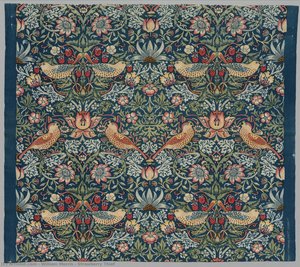
أبدع ويليام موريس (1834–1896) في Design for . يعود تاريخها إلى 1881. تنتمي إلى حركة Arts and Crafts. صُنعت من Textile. تُحفظ في William Morris Gallery في والثامستو, المملكة المتحدة. أبعادها 66 × 69 cm
- 1881
- Textile
- 66 × 69 cm
- William Morris Gallery, والثامستو

 لوحة زيتية مرسومة يدوياً
 مشاركة
 مشاركة
 بطاقة المعلومات


 تحميل الملف
 قطع مشابهة
 عرض شرائح
 الأسئلة والأجوبة

 الإحصائيات
Design for باختصار
- العنوان
- Design for
- الفنان
- ويليام موريس (1834–1896)
- تاريخ ميلاد الفنان
- والثام ستو, المملكة المتحدة
- التاريخ
- 1881
- الوسيط الفني
- Textile
- الأبعاد
- 66 × 69 cm
- أماكن العرض
- William Morris Gallery, والثامستو, المملكة المتحدة
- الحركة
- Arts and Crafts
- الحقبة الزمنية
- 19th Century
- الموضوع
- floral design, william morris, textile art, medieval motifs, nature, pattern
ماذا يصور Design for ؟
The Genesis of a Vision: William Morris and the Dawn of Arts & Crafts
Before he was a revolutionary socialist, a poet of immense talent, or simply one of the most celebrated textile designers in history, William Morris was a young man captivated by the remnants of a lost world. Born in Walthamstow, Essex, in 1834, his childhood was steeped in the romanticism of medieval chivalry and the beauty of the English countryside—a landscape he would relentlessly strive to capture within his designs. This early fascination wasn’t merely nostalgic; it represented a profound belief that nature and its traditions held an inherent moral and aesthetic superiority over the burgeoning industrial age. Morris, alongside figures like Dante Gabriel Rossetti and Edward Burne-Jones, rejected the mass production and soullessness of Victorian society, seeking instead to revive traditional craftsmanship and imbue everyday objects with beauty and meaning. “Design for,” a pencil sketch from 1881, stands as a potent embodiment of this ethos – a quiet declaration of rebellion against the prevailing trends and a fervent yearning for a more harmonious relationship between humanity and nature.
- Historical Context: The late Victorian era was marked by rapid industrialization, social unrest, and a growing critique of mass-produced goods. Morris’s work emerged as a direct response to this environment, advocating for a return to handcraftsmanship and celebrating the beauty of natural materials.
- The Arts & Crafts Movement: “Design for” is inextricably linked to the Arts & Crafts movement, which championed quality, individuality, and the rejection of factory production.
A Symphony of Flora and Form: Deconstructing the Design
This particular pencil design, destined for a carpet (as evidenced by its reference to the William Morris Gallery N17), is remarkably detailed, revealing a meticulous approach to composition. The central focus is undeniably a bird – likely a robin or thrush – rendered with delicate precision and imbued with an air of quiet dignity. Surrounding this focal point are intricate arrangements of other birds, creating a complex tapestry of avian life that suggests both abundance and careful observation. Scattered amongst the feathered subjects are smaller, more stylized elements: blossoms, leaves, and vines intertwine in a swirling pattern, echoing the organic forms of the natural world. The lines are fluid and graceful, avoiding sharp angles or rigid symmetry – a hallmark of Morris’s aesthetic philosophy. The use of shading and hatching creates a sense of depth and texture, bringing the design to life on paper.
Technique Note: Pencil Sketch: The work is executed entirely in pencil, showcasing Morris's exceptional skill in rendering detail and capturing subtle tonal variations. This technique lends a raw, immediate quality to the design, emphasizing its conceptual origins as a preliminary study.Decoding the Symbolism: Nature’s Language
Beyond its purely decorative qualities, “Design for” is rich with symbolic meaning. The prevalence of birds – often associated with freedom, hope, and spirituality – suggests a longing for transcendence and escape from the constraints of industrial society. The abundant flora speaks to Morris's deep connection with nature and his belief in its restorative power. The intertwining vines and blossoms can be interpreted as symbols of interconnectedness and harmony—a visual representation of his ideal world. The careful arrangement of the birds, rather than a chaotic jumble, suggests an underlying order and balance, reflecting Morris’s desire for a more harmonious society.
- The Bird: Represents freedom, hope, and connection to the spiritual realm.
- Floral Motifs: Symbolize nature's beauty, abundance, and restorative qualities.
- Intertwined Forms: Suggest interconnectedness, harmony, and a rejection of rigid social structures.
A Legacy Enduring: The Spirit of “Design for” Today
“Design for” is more than just a pencil sketch; it’s a window into the mind of a visionary artist and activist. It encapsulates Morris's belief that art should not merely be beautiful but also morally uplifting, promoting a return to traditional values and celebrating the inherent dignity of human labor. Reproductions of this design continue to resonate today, offering a glimpse into a world where craftsmanship, nature, and social responsibility are valued above all else. Its intricate detail and evocative symbolism make it a timeless masterpiece—a testament to William Morris’s enduring legacy as one of the most influential figures in the history of art and design.
أي متحف يضم Design for ؟
William Morris Gallery
والثامستو, المملكة المتحدة
ملاذ الحرفة والفكر: رحلة في أعماق معرض ويليام موريس في قلب منطقة والتامستو النابضة بالحياة في لندن، يقف معرض ويليام موريس ليكون أكثر من مجرد مستودع للأشياء الجميلة؛ إنه رحلة غامرة في حياة وإرث واحدة من أكثر الشخصيات البريطانية تعددًا في جوانبها – ويليام موريس. يدعو هذا الفضاء الاستثنائي الزوار للعودة عبر الزمن، ليس لمجرد مشاهدة الفن، بل لاستشعار روح رجل آمن بشغف بكرامة العمل، وجمال الحياة اليومية، والقوة التحويلية للتصميم. ومن بداياته المتواضعة كغرفة محركات لمحطة المياه المحلية إلى هيئته الحالية كاحتفاء بالرؤية الفنية لموريس، يقدم المعرض تجربة حميمية فريدة، تكشف عن عمق واتساع تأثيره على المجتمع الفيكتوري وما بعده.


صور عالية الدقة لـ Design for

ويليام موريس, Design for (1881), William Morris Gallery. ملك عام
أسئلة وإجابات حول Design for
في أي متحف يُعرض العمل الأصلي "Design for"؟
تُعرض لوحة "Design for" للفنان ويليام موريس في William Morris Gallery, والثامستو, المملكة المتحدة. ويشير وصف المتحف إلى العمل الأصلي، وليس إلى النسخ المطبوعة.
في أي عام أُبدع العمل "Design for" للفنان ويليام موريس؟
تاريخ إبداع "Design for" للفنان ويليام موريس يعود إلى عام 1881.
ما هي التقنية المستخدمة في تنفيذ "Design for" للفنان ويليام موريس؟
استخدم ويليام موريس تقنية Textile في عمل "Design for"، وهي التقنية التي تحدد الطبيعة المادية للعمل الأصلي.
ما هي أبعاد العمل الأصلي "Design for"؟
أبعاد العمل الفني المسجلة لـ "Design for" للفنان ويليام موريس هي 66 x 69 cm. يمكن طلب نسخ مطابقة بأحجام أخرى مع الحفاظ على نفس النسب.
ماذا يصور "Design for" للفنان ويليام موريس؟
تتضمن الموضوعات المتضمنة في "Design for" للفنان ويليام موريس كلاً من floral design, william morris, textile art, medieval motifs, nature, pattern, craftsmanship, victorian، والتي تلخص مجتمعةً فحوى العمل الفني.
هل العمل "Design for" ضمن الملكية العامة؟
حالة حقوق الطبع والنشر لـ "Design for" للفنان ويليام موريس: العمل يقع ضمن ملك عام - انتهت مدة حماية حقوق الطبع والنشر الخاصة به، وهو ما يحدد مدى إمكانية إعادة إنتاج الصورة بحرية.
من هو الفنان الذي يُنسب إليه العمل "Design for"؟
تم إبداع "Design for" بواسطة ويليام موريس. وتصف المعلومات الواردة في هذه الصفحة العمل الأصلي لـ ويليام موريس.
إلى أي حركة فنية ينتمي العمل "Design for" للفنان ويليام موريس؟
ينتمي العمل "Design for" إلى مدرسة Arts and Crafts، وهي المدرسة التي تمثل التقليد الفني الذي يندرج ضمنه هذا العمل.
إلى أي مرحلة من مراحل تطور ويليام موريس ينتمي العمل "Design for"؟
تُمثل "Design for" الحقبة الإبداعية لـ ويليام موريس خلال فترة Late Period.
عن الفنان، ويليام موريس

1834–1896, المملكة المتحدة
ويليام موريس
حياة متجذرة في الطبيعة والرومانسية وُلد ويليام موريس في 24 مارس 1834، في والتامستو بإقليم إيسيكس، ونشأ في كنف خلفية متوسطة الحال ميسورة الحال، وهي ظروف منحته الحرية لملاحقة شغفه بدلاً من الانشغال بمجرد البحث عن مهنة. لم يوفر نجاح والده كخبير مالي الأمان المادي فحسب، بل هيأ له أيضاً بيئة خصبة لتزدهر فيها الحساسية الجمالية. لقد تشكلت طفولة موريس بعمق من خلال الريف الإنجليزي المحيط بمنزله، ومن الانبهار بحكايات الفروسية في العصور الوسطى، مما وضع حجر الأساس لتفانٍ دام مدى الحياة لكل من الجمال الطبيعي والسرديات الرومانسية. ولم تكن هذه التأثيرات المبكرة مجرد عواطف عابرة، بل شكلت جوهر فلسفته الفنية؛ فهو لم يكن مستلهماً من الطبيعة أو الماضي فحسب، بل كان يؤمن بتفوقهما الأخلاقي والجمالي المتأصل على الحاضر الذي يتجه نحو التصنيع السريع.
أعمال أخرى لـ ويليام موريس
 Strawberry Thief1936
 The Little Tree (Hammersmith Rug)1895
 Snakeshead1900
 Fruit1862

مقالات حول Design for
 Wings of Art: Tracing Avian Beauty from Ornithological Precision to Impressionist LightExplore the evolution of avian art from scientific plates to Impressionist light. Trace this feathered history with our expert guide.
 10 Iconic Textile Masterpieces That Redefined the World of ArtJourney through history with 10 legendary textile masterpieces that redefined art. Explore the stories, intricate techniques, and timeless …
 Wings of Meaning: Decoding the Powerful Symbolism of Birds in Art HistoryExplore the profound history of avian symbolism from Renaissance icons to Winslow Homer. Decode the secrets behind every wing today.