International Gothic · 1320
Polyptych (سيمون مارتيني, 1320)
أبدع سيمون مارتيني (1284–1344) في Polyptych. يعود تاريخها إلى 1320. تنتمي إلى حركة International Gothic. صُنعت من Acrylic On Canvas. تُحفظ في متحف فيتزويليام في Cambridge, United Kingdom. أبعادها 35 × 59 cm
- 1320
- Acrylic On Canvas
- 35 × 59 cm
- متحف فيتزويليام, Cambridge

 معاينة الحجم الواقعي

 لوحة زيتية مرسومة يدوياً
 مشاركة
 مشاركة
 ورقة الحقائق


 تحميل الملف
 قطع مشابهة
 الأشعة السينية
 عرض شرائح
 الأسئلة والأجوبة

 الإحصائيات
Polyptych باختصار
- العنوان
- Polyptych
- الفنان
- سيمون مارتيني (1284–1344)
- تاريخ ميلاد الفنان
- سيينا, إيطاليا
- التاريخ
- 1320
- الوسيط الفني
- Acrylic On Canvas
- الأبعاد
- 35 × 59 cm
- أين يمكن مشاهدتها
- متحف فيتزويليام, Cambridge, United Kingdom
- الحركة
- International Gothic
- الحقبة
- Renaissance
- الموضوع
- religious art, medieval painting, renaissance style, simone martini, polyptych format, tempera technique
ماذا يصور Polyptych؟
Simone Martini’s Polyptych: A Symphony of Faith and Refinement
Simone Martini, a luminary of the early Renaissance born in Siena around 1284, gifted the art world with an unparalleled masterpiece – the Polyptych of Santa Caterina. More than just a painting; it embodies the spirit of its time, reflecting Siena’s burgeoning cultural vibrancy and establishing Martini as a pivotal figure in bridging medieval artistic traditions with the nascent ideals of humanist thought.
Housed within the Fitzwilliam Museum in Cambridge, United Kingdom, this monumental artwork transcends mere visual representation. Measuring 59 x 35 cm, it comprises three panels adorned with exquisitely detailed figures depicting saints and prophets—a testament to Martini’s mastery of tempera painting technique. The panel's vibrant hues – dominated by reds – aren’t merely decorative; they convey depth and luminosity, drawing the viewer into a contemplative space.
Artistic Significance & Style
The Polyptych exemplifies Martini’s signature International Gothic style, characterized by its graceful lines, meticulous attention to detail, and blending of Byzantine influences with Florentine realism. Unlike Giotto’s more austere depictions, Martini infused his compositions with a palpable sense of elegance and aristocratic refinement—a stylistic hallmark that distinguishes him from contemporaries.
- Composition: The central panel showcases three men in solemn robes, their hands clasped together in prayer, symbolizing unity and devotion.
- Figures: Each saint is rendered with remarkable realism, capturing subtle expressions of emotion and conveying spiritual contemplation.
- Color Palette: Martini’s masterful use of tempera pigments—particularly red—creates a rich tapestry of color that enhances the emotional impact of the scene.
Symbolism & Technique
Beyond its aesthetic beauty, the Polyptych is laden with symbolic meaning. The book held by one figure represents knowledge and divine guidance, while the staff symbolizes authority and spiritual leadership. Martini’s meticulous technique—evident in the layering of translucent glazes—allows him to achieve unparalleled luminosity and textural complexity. This painstaking process ensured that every brushstroke conveyed a profound sense of reverence.
Historical Context & Legacy
Created circa 1320, the Polyptych stands as an emblem of Siena’s religious fervor during the medieval period. It reflects the broader artistic trends of its time—the revival of classical ideals alongside Byzantine influences—and demonstrates Martini's profound impact on subsequent generations of painters. Its influence can be seen in works by artists like Andrea Pisano and Niccolò di Ser Sozzo, cementing Martini’s place as one of the foremost masters of his era.
For those seeking to experience the grandeur of Simone Martini’s vision, reproductions from OriginalUniqueArt offer exceptional quality and authenticity. Explore related artworks at the Fitzwilliam Museum and Isabella Stewart Gardner Museum for a deeper appreciation of this enduring masterpiece.
أي متحف يضم Polyptych؟
متحف فيتزويليام
Cambridge, United Kingdom
رحلة في عالم الفن والتحف: متحف فيتزويليام، كامبريدج في قلب مدينة كامبريدج الإنجليزية العريقة، يتربع متحف فيتزويليام كصرح فني وتاريخي فريد من نوعه. ليس مجرد مكان لعرض الأعمال الفنية، بل هو بوابة إلى عوالم بعيدة، رحلة عبر آلاف السنين لاستكشاف إبداع الإنسان وتنوع ثقافاته. تأسس المتحف عام 1816 على يد ريتشارد فيتزويليام، البارون السابع لفيتزويليام، الذي أراد أن يشارك مجموعته الاستثنائية مع العالم، ليتحول إلى أحد أبرز المعالم الثقافية في المملكة المتحدة.


صور عالية الدقة لـ Polyptych

سيمون مارتيني, Polyptych (1320), متحف فيتزويليام. ملك عام
أسئلة وإجابات حول Polyptych
أين يمكنني مشاهدة العمل الأصلي "Polyptych" للفنان سيمون مارتيني؟
تُحفظ النسخة الأصلية من "Polyptych" للفنان سيمون مارتيني في متحف فيتزويليام, Cambridge, United Kingdom، بينما تتيح لك هذه النسخة المطبوعة عرض العمل الفني في منزلك.
في أي عام أُبدعت "Polyptych" للفنان سيمون مارتيني؟
تاريخ إبداع "Polyptych" للفنان سيمون مارتيني يعود إلى عام 1320.
ما هي التقنية المستخدمة في تنفيذ "Polyptych" للفنان سيمون مارتيني؟
استخدم سيمون مارتيني تقنية Acrylic On Canvas في عمل "Polyptych"، وهي التقنية التي تحدد الطبيعة المادية للعمل الأصلي.
ما هي أبعاد العمل الأصلي "Polyptych" للفنان سيمون مارتيني؟
تبلغ أبعاد العمل الأصلي "Polyptych" للفنان سيمون مارتيني 59 x 35 cm.
ما هي الموضوعات التي يتناولها "Polyptych" للفنان سيمون مارتيني؟
تتضمن الموضوعات المتضمنة في "Polyptych" للفنان سيمون مارتيني كلاً من religious art, medieval painting, renaissance style, simone martini, polyptych format, tempera technique, italian gothic، والتي تلخص مجتمعةً فحوى العمل الفني.
هل "Polyptych" للفنان سيمون مارتيني ضمن الملكية العامة؟
أما بخصوص حقوق الطبع والنشر، فإن "Polyptych" تندرج ضمن ملك عام - انتهت مدة حماية حقوق الطبع والنشر الخاصة به.
من هو الفنان الذي أبدع "Polyptych"؟
يُنسب العمل "Polyptych" إلى سيمون مارتيني.
إلى أي أسلوب ينتمي "Polyptych"؟
تنتمي "Polyptych" للفنان سيمون مارتيني إلى حركة International Gothic، التي تمنح العمل سياقه الأسلوبي.
إلى أي مرحلة من مسيرة سيمون مارتيني الفنية ينتمي العمل "Polyptych"؟
تُمثل "Polyptych" الحقبة الإبداعية لـ سيمون مارتيني خلال فترة Early Renaissance.
عن الفنان، سيمون مارتيني

1284–1344, إيطاليا
سيمون مارتيني
حياة وهوية سيمون مارتيني وُلد سيمون مارتيني في مدينة سيينا الإيطالية حوالي عام 1284، وعاش حياة كانت مرآة للتحولات العميقة التي شهدها عصره. عُرف أيضاً باسم سيمون دي مارتينو، وكان شخصية محورية في تطور فن الرسم الإيطالي المبكر. امتد أثر وجوده في عالم الفن من قلب توسكانا وصولاً إلى البلاط البابوي في فرنسا، مما يجعله رجلاً تجاوزت آفاق إبداعه حدود مسقط رأسه؛ فقد كان رساماً أدرك لغة زمانه، متنقلاً بين المراكز الدينية والمدنية في أوروبا بيد ثابتة ومفعمة بالهدف. ارتبطت هويته ارتباطاً وثيقاً بمدينة سيينا، ذلك المكان الذي يجمع بين حيوية التجارة وعمق الإيمان.
وأيضاً لـ سيمون مارتيني
 البشارة والقديسان1333
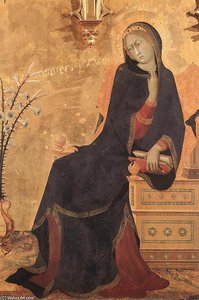 البشارة وقديسان (تفصيل)1333
 البشارة مع القديسة مارجريت والقديس أنسانوس1333
 St Clare and St Elizabeth of Hungary1317
مقالات حول Polyptych
 Italian proto-renaissance paintersMasterpieces by Giotto and Duccio define the Italian Proto-Renaissance. Explore the full collection online at OriginalUniqueArt.com.
 14th century Italian paintersMasterpieces by Giotto and Duccio define the Trecento era. Explore museum-quality reproductions on OriginalUniqueArt.com.
 Understanding Gothic and Renaissance Art: Key Differences and FeaturesMaster the differences between Gothic and Renaissance art through expert analysis of technique and style. Discover the evolution of art tod…