

 معاينة الحجم الحقيقي
 مشاركة
 مشاركة
 التفاصيل

 تحميل الملف
 قطع مشابهة
 الأشعة السينية
 عرض شرائح
شركة العزف على الموسيقى
 أكريليك على كانفاس
- لوحات جدارية
- Baroque Art
 1629
1629 40.0 x 69.0 cm
 Academy of Fine Arts Vienna
 عرض المزيد
نسخة زيتية مصنوعة يدوياً
لوحة زيتية مرسومة يدوياً على الكانفاس بالمقاس والإطار الذي تفضله، تُنفذ حسب الطلب على أيدي فنانينا. ( التحويل للنسخة المطبوعة التبديل إلى الصورة)




P118B $10

P118H $10

P118W $10

P438Z $10

P508JH $12

P508YH $12

P805H $10

P805Z $10

P919BZ $10

P919G $10

P919XJ $10

P959ZH $10

P968JZ $12

W106C $8

W218G $10

W218JH $8

W218Y $10

W307PJ $10

W316G $10

W316PJ $8

W316Y $10

W398PJ $8

W4111J $10

W500HY $15

W500JH $15

W692G $12

W849H $8

W940BG $15

W953PJ $8




اختر من بين أحجامنا المُعدّة مسبقًا والتي تتطابق مع النسب الأصلية للعمل الفني.

يمكنك إدخال أبعادك الخاصة لتناسب إطارًا معينًا أو مساحة محددة. وإذا لم يتطابق الحجم الذي اخترته مع نسب الصورة الأصلية، فسنقوم إما بقص العمل الفني أو توسيع اللوحة بإضافة عناصر مرسومة يدويًا. سيتم إرسال نموذج رقمي إليك للموافقة عليه قبل بدء الإنتاج.
يرجى ملاحظة أن المعاينة على الشاشة لا تعكس عملية القص أو التوسيع الفعلية؛ حيث إن النموذج الرقمي وحده هو الذي سيوضح التكوين النهائي بدقة.
وعلى الرغم من توفر أحجام مخصصة، إلا أننا نوصي باختيار أبعاد من القائمة المحددة مسبقًا للحفاظ على النسب الأصلية للعمل الفني.
بعد إتمام الطلب، سيرسل فريق OriginalUniqueArt.com بريداً إلكترونياً للعميل لطلب التعليمات وتزويده بمعاينة تجريبية (mockup).
توصيل عالمي إلى خلال 3 إلى 4 أسابيع بدلاً من المدة المعتادة البالغة 5 أسابيع. (8 أغسطس). جودة لا تهاون فيها.

شحن سريع ومجاني لجميع أنحاء العالم

قماش كتان عالي الجودة

تأمين شحن شامل

ضمان استرداد الرسوم الجمركية

ضمان مطابقة الألوان الحقيقية

سياسة الإرجاع خلال 60 يومًا (في حالات العيوب فقط)

ضمان استرداد نقدي بنسبة 100%

خصم عند طلب عدة قطع
 خيار الزجاج متاح فقط للمقاسات التي تقل عن 110 سم

شركة العزف على الموسيقى
خامة إعادة الإنتاج
مقاس النسخة المطبوعة
-


السعر الإجمالي النهائي
$ 300
وصف العمل الفني
Jan van Bijlert و شركة الموسيقى: تحفة باروكية تعكس روح التواصل الاجتماعي
تُعد لوحة Jan van Bijlert و شركة الموسيقى مثالًا رائعًا لفن الباروك، حيث يجسد الفنان مهاراته في التقاط جوهر التفاعل الاجتماعي وعالم الموسيقى. تم إنشاؤها عام 1629، وتتميز بأبعادها 40 × 69 سم وتُعرض حاليًا في أكاديمية الفنون العاصمة فيينا بالنمسا، لتكون بمثابة نافذة على ثقافة ومجتمع تلك الحقبة الفنية الزاهية. تُظهر اللوحة مشهدًا حيويًا يتألف من مجموعة من الأشخاص يمارسون الموسيقى، وتعتبر هذه المجموعة مركز الاهتمام البصري، حيث تجلس امرأة ترتدي فستانًا أصفر وعنقًا أبيض على طاولة، وتؤدي العزف على القيثارة، لتكون هي المحور الذي تدور حوله اللوحة وتجسد روح الحوار والتواصل بين الأفراد. يحيط بها عدد من الشخصيات الأخرى الذين يركزون على الموسيقى أو المحادثة، مما يعزز الشعور بالدفء والترابط الاجتماعي الذي يميز هذا المشهد الباروكي المميز. إن استخدام الألوان الدافئة والإضاءة اللطيفة هو سمة أساسية لفن الباروك، ويُظهر ذلك بشكل واضح في اللوحة، حيث تضفي الإضاءة الطبيعية من النافذة على الجانب الأيمن على المشهد إحساسًا بالرومانسية والهدوء، وتتناسب مع الأجواء العامة للوحة التي تعكس التوازن والتناغم بين العناصر البصرية المختلفة. كما أن التكوين العام للوحة يتميز بتوزيع متقارب للشخصيات على سطح اللوحة، مما يجذب العين ويؤكد على عمق المشهد وتأثيره العاطفي لدى المشاهد. تتميز اللوحة بتقنية الرسم الزيتي المتقنة التي كانت سائدة في تلك الفترة، حيث استخدم الفنان ألوانًا زاهية ومزجها بعناية للحصول على تأثيرات إضاءة واقعية ودقيقة، مما يضفي على اللوحة حيوية وتفصيلاً استثنائيين. ويُظهر ذلك بشكل خاص في تفاصيل القيثارة التي تعزف عليها المرأة، حيث يتم تصويرها بدقة عالية لتجسيد جمال الأداة الموسيقية وعلاقتها بالموسيقي الذي يقدمها للمشاهد، كما أن التكوين العام للوحة يعكس تأثير أسلوب الباروك الإيطالي في استخدام الإضاءة الدرامية والتشكيل المتقن للعناصر البصرية. إن اللوحة تحمل رمزيات عميقة تعكس القيم والأفكار السائدة في المجتمع الأوروبي آنذاك، حيث ترمز إلى أهمية الفنون والموسيقى في التعبير عن الذات والتواصل مع الآخرين، وتُظهر اللوحة أيضًا التوازن بين الجمال والروحانية، ويُعد ذلك من السمات المميزة لفن الباروكي الذي يسعى إلى إثارة المشاعر العميقة لدى المشاهد وإلهامه بالقيم الإنسانية النبيلة. يمكن الاستعانة بنسخة عالية الجودة من هذه اللوحة لتزيين المساحات الداخلية وتوفير لمحة من الفنون الكلاسيكية الأنيقة والراقية، مع الأخذ في الاعتبار أن هذه اللوحة هي تحفة فنية تعكس روح العصر وتاريخه الغني.السيرة الذاتية للفنان
Jan van Bijlert: A Utrecht Caravaggist’s Dramatic Vision
Jan Hermansz van Bijlert, born in Utrecht around 1598 and passing away in the same city in 1671, stands as a pivotal figure within the vibrant artistic landscape of the Dutch Golden Age. Initially influenced by the intense realism and dramatic lighting of Caravaggio, van Bijlert evolved into one of the most prominent practitioners of what became known as Utrecht Caravaggism – a distinctly regional style that combined Italian Baroque principles with a uniquely Dutch sensibility. His prolific output, numbering approximately 200 paintings, offers a compelling glimpse into a period of artistic experimentation and the burgeoning influence of Italian masters on Northern European art. Van Bijlert’s early life remains somewhat shrouded in mystery, though it's believed he received some initial training from his father, Herman Beernts van Bijlert, a skilled stained-glass worker. This foundational experience likely instilled within him an appreciation for detail and craftsmanship – qualities that would later manifest powerfully in his paintings. He subsequently studied under Abraham Bloemaert, a respected Utrecht painter known for his meticulous depictions of mythological scenes and portraits. Crucially, van Bijlert’s artistic journey extended beyond the borders of the Netherlands, with significant periods spent in France and Italy. These experiences proved transformative, exposing him to the revolutionary techniques and dramatic intensity championed by Caravaggio, whose influence would irrevocably shape his style.The Bentvueghel Circle and Early Roman Years
Van Bijlert’s arrival in Rome in 1621 marked a significant turning point. He quickly became integrated into the *Bentvueghels*, a notoriously convivial circle of artists – Dutch, Flemish, and Italian – who established a shared identity through adopted nicknames. Van Bijlert chose “Aeneas,” a reference to the Roman hero known for his strength and resilience. The Bentvueghels were not merely artistic collaborators; they were also avid socialites, exchanging witty verses, satirical prints, and, of course, paintings. This environment fostered an atmosphere of intense exchange and experimentation, allowing artists to push boundaries and develop their individual styles. During this period in Rome, van Bijlert honed his skills, mastering Caravaggio’s signature techniques: the stark contrast between light and shadow (chiaroscuro), the dramatic cropping of compositions to create a sense of immediacy, and an unwavering commitment to realistic representation. His early works from this era are characterized by these elements, depicting scenes of intense emotion and often featuring figures caught in moments of action or contemplation.A Shift Towards Classicism and Genre Scenes
Around 1630, van Bijlert’s artistic trajectory shifted noticeably. While retaining the core principles of Caravaggism – particularly the dramatic use of light – he began to incorporate elements of classicizing style, possibly influenced by fellow Utrecht artist Cornelis van Poelenburch. This evolution manifested in a lightening of his palette and a move towards more elevated subject matter, including religious scenes and allegorical compositions. Interestingly, this period also saw the emergence of van Bijlert’s fascination with genre scenes. He produced a series of paintings depicting intimate moments from everyday life – brothels, musical gatherings, and tavern scenes – often populated by small figures rendered with remarkable detail and psychological insight. These works, reminiscent of those created by Jacob Duck, offered a glimpse into the social fabric of Utrecht society and demonstrated van Bijlert’s ability to capture human emotion and interaction with subtle grace.Guild Life, Patronage, and Legacy
Van Bijlert's life was deeply intertwined with the civic and religious institutions of Utrecht. He joined the schutterij (a citizen militia) in 1625 and became a member of the Utrecht Guild of St. Luke in 1630, serving as deacon from 1632 to 1637 and later appointed regent of the Sint-Jobsgasthuis in 1634. His involvement extended beyond artistic pursuits; he played a role in establishing the “Schilders-College” (painter’s school) in 1639, serving as its regent and mentoring a new generation of artists, including Bartram de Fouchier and Ludolf Leendertsz de Jongh. This dedication to both art and community underscores his position as a respected figure within Utrecht's cultural elite. Jan van Bijlert’s legacy is firmly rooted in the Utrecht Caravaggisti movement. His paintings, characterized by their dramatic lighting, realistic depictions of human figures, and exploration of emotional intensity, continue to captivate viewers today. His work stands as a testament to the dynamic exchange of artistic ideas that flourished during the Dutch Golden Age – a period when Italian Baroque principles were embraced, adapted, and ultimately transformed into a uniquely Northern European style. His approximately 200 paintings provide a rich and detailed record of this fascinating artistic evolution.
Jan van Bijlert
1598 - 1671 , Netherlands
حقائق سريعة
- Artistic Movement Or Style: Utrecht Caravaggisti
- Artists Or Movements Influenced By This Artist: ['Utrecht Caravaggisti']
- Artists Who Influenced This Artist: ['Caravaggio']
- Date Of Birth: 1598, Utrecht
- Date Of Death: 1671, Utrecht
- Full Name: Jan Hermansz van Bijlert
- Nationality: Dutch
- Notable Artworks:
- Virgin and Child
- Portrait of a Woman
- Place Of Birth: Utrecht, Netherlands
مقالات ذات صلة
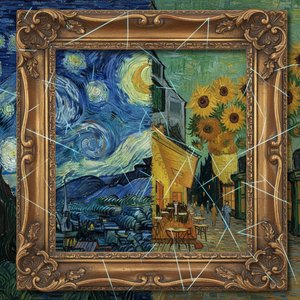
أعمال فان جوخ الخالدة: 25 تحفة فنية تزين منزلك بجمال الألوان والروح
اكتشف 25 تحفة فنية لفان جوخ، رائد الفن الحديث. استكشف قصص لوحاته الشهيرة مثل 'ليالي النجوم' و'عباد الشمس'، وألهم منزلك بألوانه العاطفية وتقنياته الفريدة. احصل على نسخ عالية الجودة من أعمال فان جوخ على OriginalUniqueArt.com.

Dutch Baroque Masters: 10 Paintings That Shaped an Era | OriginalUniqueArt
Journey through the Golden Age with our guide to the Top 10 Dutch Baroque masterpieces! Explore iconic paintings by Rembrandt, Vermeer & Frans Hals. Find museum-quality art reproductions and elevate your home decor at OriginalUniqueArt.com.

أفضل 10 روائع العصر الذهبي الهولندي: تحف فنية وجماليات منزلية خالدة | OriginalUniqueArt
اكتشف روائع العصر الذهبي الهولندي! استكشف 10 لوحات خالدة لرامبرانت، فيرمير وغيرهم. فن هولندي باروكي، ألوان آسرة وقصص فنية لا تُنسى. احصل على إعادة إنتاج عالية الجودة وتحف فنية لديكور منزلك مع OriginalUniqueArt.com

Golden Age Reflections: Dutch Baroque Painting & Cultural Innovation
Explore the Dutch Golden Age of painting! Discover key artists like Vermeer & ter Borch, their innovative techniques, and the rich cultural context behind these Baroque masterpieces. Learn about collecting & appreciating this iconic art period.

Golden Light & Dutch Skies: The Timeless Magic of Dutch Golden Age Landscapes
Discover the breathtaking beauty of Dutch Golden Age landscapes. Explore the mastery of light, chiaroscuro, and 17th-century realism through an expert art history lens, celebrating the enduring legacy of the Dutch Masters for discerning collectors and art lovers.


