
 معاينة الحجم الحقيقي
 مشاركة
 مشاركة
 التفاصيل

 تحميل الملف
 قطع مشابهة
 الأشعة السينية
 عرض شرائح
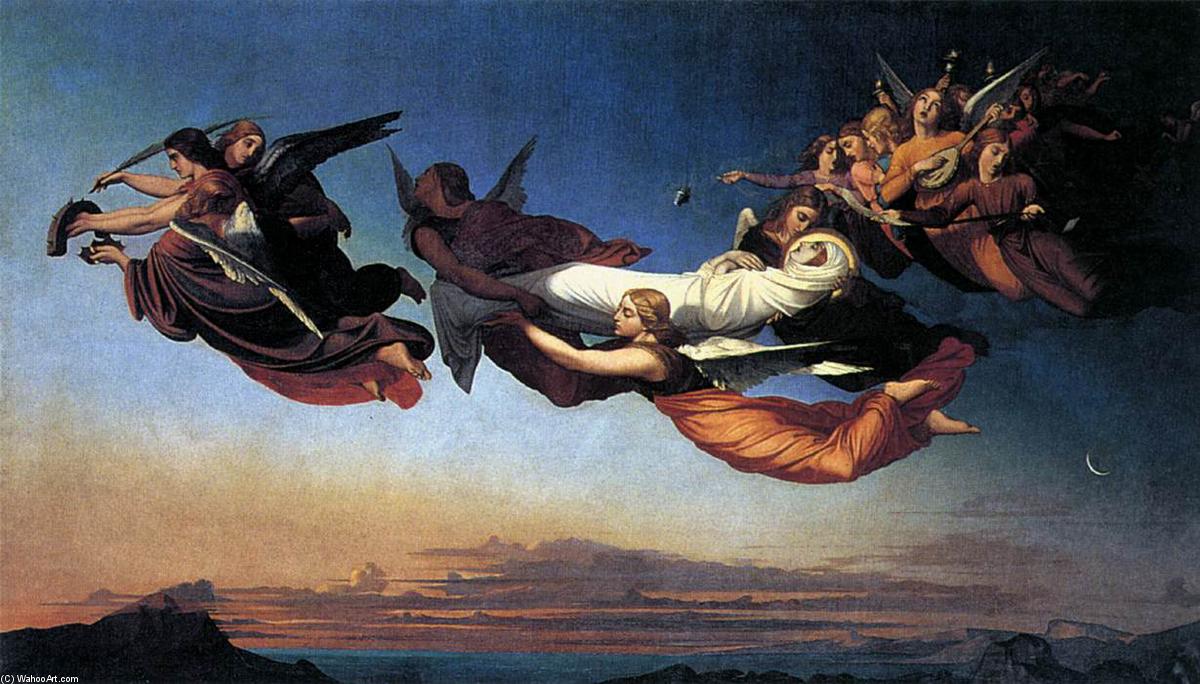
القديسة كاثرينا الألبانيسية
 أكريليك على كانفاس
- لوحات جدارية
- Neoclassicism
 1839
1839 152.0 x 262.0 cm
 Musée Fabre
 عرض المزيد
نسخة زيتية مصنوعة يدوياً
لوحة زيتية مرسومة يدوياً على الكانفاس بالمقاس والإطار الذي تفضله، تُنفذ حسب الطلب على أيدي فنانينا. ( التحويل للنسخة المطبوعة التبديل إلى الصورة)




P118B $10

P118H $10

P118W $10

P438Z $10

P508JH $12

P508YH $12

P805H $10

P805Z $10

P919BZ $10

P919G $10

P919XJ $10

P959ZH $10

P968JZ $12

W106C $8

W218G $10

W218JH $8

W218Y $10

W307PJ $10

W316G $10

W316PJ $8

W316Y $10

W398PJ $8

W4111J $10

W500HY $15

W500JH $15

W692G $12

W849H $8

W940BG $15

W953PJ $8




اختر من بين أحجامنا المُعدّة مسبقًا والتي تتطابق مع النسب الأصلية للعمل الفني.

يمكنك إدخال أبعادك الخاصة لتناسب إطارًا معينًا أو مساحة محددة. وإذا لم يتطابق الحجم الذي اخترته مع نسب الصورة الأصلية، فسنقوم إما بقص العمل الفني أو توسيع اللوحة بإضافة عناصر مرسومة يدويًا. سيتم إرسال نموذج رقمي إليك للموافقة عليه قبل بدء الإنتاج.
يرجى ملاحظة أن المعاينة على الشاشة لا تعكس عملية القص أو التوسيع الفعلية؛ حيث إن النموذج الرقمي وحده هو الذي سيوضح التكوين النهائي بدقة.
وعلى الرغم من توفر أحجام مخصصة، إلا أننا نوصي باختيار أبعاد من القائمة المحددة مسبقًا للحفاظ على النسب الأصلية للعمل الفني.
بعد إتمام الطلب، سيرسل فريق OriginalUniqueArt.com بريداً إلكترونياً للعميل لطلب التعليمات وتزويده بمعاينة تجريبية (mockup).
توصيل عالمي إلى خلال 3 إلى 4 أسابيع بدلاً من المدة المعتادة البالغة 5 أسابيع. (9 أغسطس). جودة لا تهاون فيها.

شحن سريع ومجاني لجميع أنحاء العالم

قماش كتان عالي الجودة

تأمين شحن شامل

ضمان استرداد الرسوم الجمركية

ضمان مطابقة الألوان الحقيقية

سياسة الإرجاع خلال 60 يومًا (في حالات العيوب فقط)

ضمان استرداد نقدي بنسبة 100%

خصم عند طلب عدة قطع
 خيار الزجاج متاح فقط للمقاسات التي تقل عن 110 سم

القديسة كاثرينا الألبانيسية
خامة إعادة الإنتاج
مقاس النسخة المطبوعة
-


السعر الإجمالي النهائي
$ 300
وصف العمل الفني
إطلالة على لوحة سانت كاترين من ألكساندريا لهنري ليماي
تعتبر لوحة سانت كاترين من ألكساندريا لإHenri Lehmann تحفة فنية فرنسية من القرن التاسع عشر، تجسد إبداعًا استثنائيًا في مجال الرسم وتُعد مثالًا يُحتذى به في التقاط الجمال الإنساني والتعبير عن المشاعر العميقة. تم تكملة هذه اللوحة الزيتية على قماش عام 1839، ويقع مكانها في متحف Fabre بمدينة مونتبيلي، فرنسا، حيث تُعتبر من أبرز الأعمال الفنية التي يحويها المتحف.
- العنوان: سانت كاترين من ألكساندريا
- الفنان: هنري ليماي
- تاريخ الإنجاز: 1839
- الأبعاد: 152 × 262 سم
- المكان الحالي: متحف Fabre، مونتبيلي، فرنسا
التكوين الفني وتأثيرات المذهب الجديد الكلاسيكي يمثل مركز اللوحة، حيث تجسد سانت كاترين من ألكساندريا، القديسة المسيحية الشهيرة بمطرحها، شخصية رئيسية في التراث الديني الغربي. يتم تصويرها بشعر طويل وعليها ثوب أبيض يتناقض مع الخلفية الداكنة، وتُظهر يدها كتابًا وسيفًا، وهما رمزان غالبًا ما يرتبطان بقصتها الأسطورية. تحيط بسانت كاترين مجموعة من الملائكة والكرامت، كل منهم ينخرط في أنشطة مختلفة، مثل العزف على الآلات الموسيقية أو حمل الكتب أو الرسائل.
أسلوب هنري ليماي وتأثيرات المذهب الجديد الكلاسيكي يتميز أسلوب ليماي باستخدام الضوء والظل بشكل متقن، مما يخلق إحساسًا بالعمق والبعد ثلاثي الأبعاد. وقد استلهم عمله من حركة المذهب الجديد الكلاسيكي، التي شددت على أهمية الأشكال الكلاسيكية وتقنياتها، والتي كانت تحظى بشعبية كبيرة في ذلك العصر وتُعد من أبرز التوجهات الفنية التي أثرت في الفنانين البارزين آنذاك. وقد استلهم ليماي أيضًا إلهامًا من أعمال فنانين كبار آخرين مثل ريني غيدو و بالما جوانة، الذين قاموا بتكوين أعمال فنية ملهمة تضمنت أيضًا مطرح سانت كاترين من ألكساندريا.
الرمزية العميقة والتعبير عن المشاعر الإنسانية لا تقتصر أهمية اللوحة على الجمال البصري فحسب، بل تحمل في طياتها رسالة دينية عميقة تعكس القيم الأخلاقية والإيمانية التي كانت سائدة في المجتمع الأوروبي في القرن التاسع عشر. فالكتاب والسيف اللذان تحملها سانت كاترين يمثلان التضحية بالنفس للدفاع عن الإيمان والحق، ويُعدان من الرموز القوية التي تجسد العزيمة والتصميم على مواجهة الصعاب والتحديات.
إرث هنري ليماي وتأثيره على الفن التشكيلي يُعتبر هنري ليماي من أبرز الفنانين الذين ساهموا في إحياء المذهب الجديد الكلاسيكي، وتحديدًا في مجال التصوير الديني، حيث تمكن من نقل المشاعر الإنسانية والتعبير عن الأفكار الروحية بطريقة مؤثرة ومبهرة. وقد ترك ليماي بصمة واضحة على الفن التشكيلي الفرنسي، وأثر في العديد من الفنانين الذين جاءوا بعده، ويُعد نموذجًا للفنان الذي يجمع بين المهارة الفنية والصدق العاطفي والتعبير عن القيم الإنسانية النبيلة.
السيرة الذاتية للفنان
The Legacy of Henri Lehmann: A Master of Line and Devotion
In the grand tapestry of nineteenth-century French art, few threads are as finely woven as those left by Henri Lehmann. Born Heinrich Salem Lehmann in the quiet dignity of Kiel, Germany, his journey from a student in Hamburg to a celebrated figure in the Parisian salons is a testament to the enduring power of classical discipline. His early years were shaped by the intimate guidance of his father, Leo Lehmann, a respected portraitist, which provided him with a foundational mastery of detail and a deep respect for the human form. However, it was his arrival in Paris in 1831 that would irrevocably alter the course of his life, as he entered the studio of the legendary Jean Auguste Dominique Ingres. This encounter was more than mere mentorship; it was a spiritual and technical initiation into the heart of Neoclassicism.
As a devoted pupil of Ingres, Lehmann did not merely mimic his master’s style but became an essential collaborator in the realization of monumental visions. Their partnership flourished during Lehmann's time in Rome between 1838 and 1841, where the presence of the French Academy allowed him to absorb the grandeur of High Renaissance masters and the stark beauty of classical monuments. This period of Roman study infused his work with a profound sense of historical weight and an architectural precision in draftsmanship. Whether he was working on large-scale religious compositions or intimate portraits, Lehmann’s hand remained guided by that quintessential Ingres-inspired commitment to pure line and idealized grace.
A Versatile Vision: From Sacred Narratives to Secular Elegance
Lehmann’s oeuvre is a remarkable study in versatility, spanning the sacred and the profane with equal command. He possessed a rare ability to navigate the demanding requirements of religious commissions, imbuing biblical scenes with a palpable sense of drama and spiritual clarity. His works for prestigious venues such as the Sainte-Clothilde Church and various judicial palaces demonstrate his capacity to handle complex allegories and theological narratives through a lens of academic excellence. Yet, simultaneously, he was a master of the portrait, capturing the very essence of the nineteenth-century cultural elite. His portraits were not merely likenesses but psychological windows into the era, featuring luminaries such as Franz Liszt and the spirited Marie d'Agoult.
Beyond the religious and the portraiture, Lehmann drew boundless inspiration from the literary and mythological realms. He found profound meaning in the works of Shakespeare and classical mythology, translating poetic themes into visual realities that resonated with the Romantic sensibilities of his time. His ability to blend the rigorous structure of academic painting with the emotive depth of literary subjects allowed him to transcend the label of a "dry" academician. Instead, he emerged as an artist capable of profound elegance, where every brushstroke served to elevate the subject matter toward a state of timeless beauty.
Recognition and Lasting Academic Influence
The trajectory of Lehmann’s career was marked by consistent triumph within the competitive arena of the Paris Salon. His early success, winning a second-class medal in 1835, served as a prelude to a series of prestigious first-class medals in 1840, 1848, and 1855. These accolades were not merely personal victories but affirmations of his standing within the French artistic hierarchy. His integration into the highest echelons of society was complete; he became a French citizen and a respected member of the Institut, embodying the very pinnacle of academic achievement.
Lehmann’s contribution to art extended far beyond the canvas through his role as an educator. As a professor at the École des Beaux-Arts, he sought to pass on the rigorous standards of his training to the next generation of painters. His commitment to excellence was so profound that he established the Lehmann Prize, a legacy designed to recognize and nurture academic distinction in young artists. Today, we remember Henri Lehmann not just as a follower of Ingres, but as a master in his own right—an artist who bridged the gap between German precision and French elegance, leaving behind a body of work that remains a cornerstone of nineteenth-century historical and portrait painting.

Henri Lehmann
1814 - 1882 , Germany
حقائق سريعة
- Artistic Movement Or Style: Historical Painting; Portraiture
- Artists Or Movements Influenced By This Artist: Romanticism
- Artists Who Influenced This Artist: Jean Auguste Dominique Ingres
- Date Of Birth: April 14, 1814
- Date Of Death: March 30, 1882
- Full Name: Henri Lehmann
- Nationality: German-French
- Notable Artworks:
- St Catherine of Alexandria
- Lille Lehmann le Repos
- Faustine Léo
- Place Of Birth: Kiel, Germany
مقالات ذات صلة
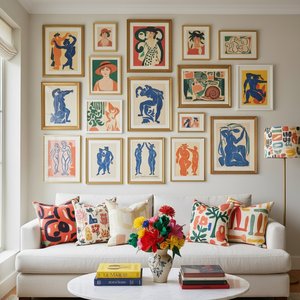
أعمال هنري ماتيس الرائعة: 25 تحفة فنية تزين منزلك بجمال الألوان والابتكار
اكتشف 25 تحفة فنية لهنري ماتيس، رائد التعبيرية وFauvism. استكشف قصص لوحاته المذهلة وألوانه الجريئة. احصل على مطبوعات عالية الجودة لديكور منزلي فاخر. اكتشف جميع الروائع على OriginalUniqueArt.com

أعمال إل جريكو الخالدة: 25 تحفة فنية تزين منزلك بجمال الأساطير
اكتشف 25 تحفة فنية لإل جريكو، رائد الفن الإسباني. استكشف قصص لوحاته الدينية والتاريخية الرائعة وأسلوبه الباروكي الفريد. احصل على نسخ عالية الجودة من أعمال إل جريكو لتزيين منزلك بأناقة وفخامة. اكتشف جميع الروائع على OriginalUniqueArt.com
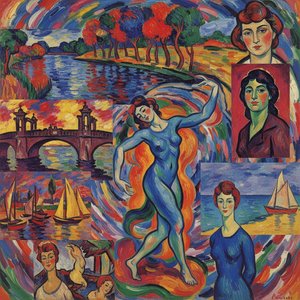
Fauvism's Boldest Visions: 10 Masterpieces That Revolutionized Modern Art | OriginalUniqueArt
Explore 10 Fauvist masterpieces by Matisse, Derain & Vlaminck that ignited Modern Art! Discover bold colors, expressionist landscapes & the history of this revolutionary movement. Find museum-quality prints at OriginalUniqueArt.com.
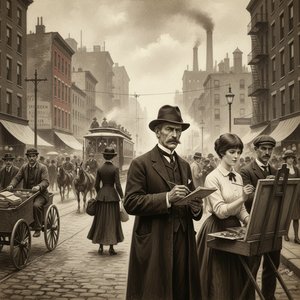
Robert Henri & the Spirit of American Realism: A Legacy of Urban Life and Artistic Independence
Explore the life & legacy of Robert Henri, a pivotal figure in American Realism. Discover his captivating portraits, influence on the Ashcan School, and enduring impact on art history. Learn more at OriginalUniqueArt.

Sacred Narratives Embodied: A Comprehensive Exploration of Religious Iconography in Art History
Explore the rich history of religious iconography in art! Discover symbolism, movements & masterpieces from Byzantine to Renaissance periods. Expert insights for collectors and enthusiasts at OriginalUniqueArt.


