
 معاينة الحجم الحقيقي
 مشاركة
 مشاركة
 التفاصيل

 تحميل الملف
 قطع مشابهة
 الأشعة السينية
 عرض شرائح
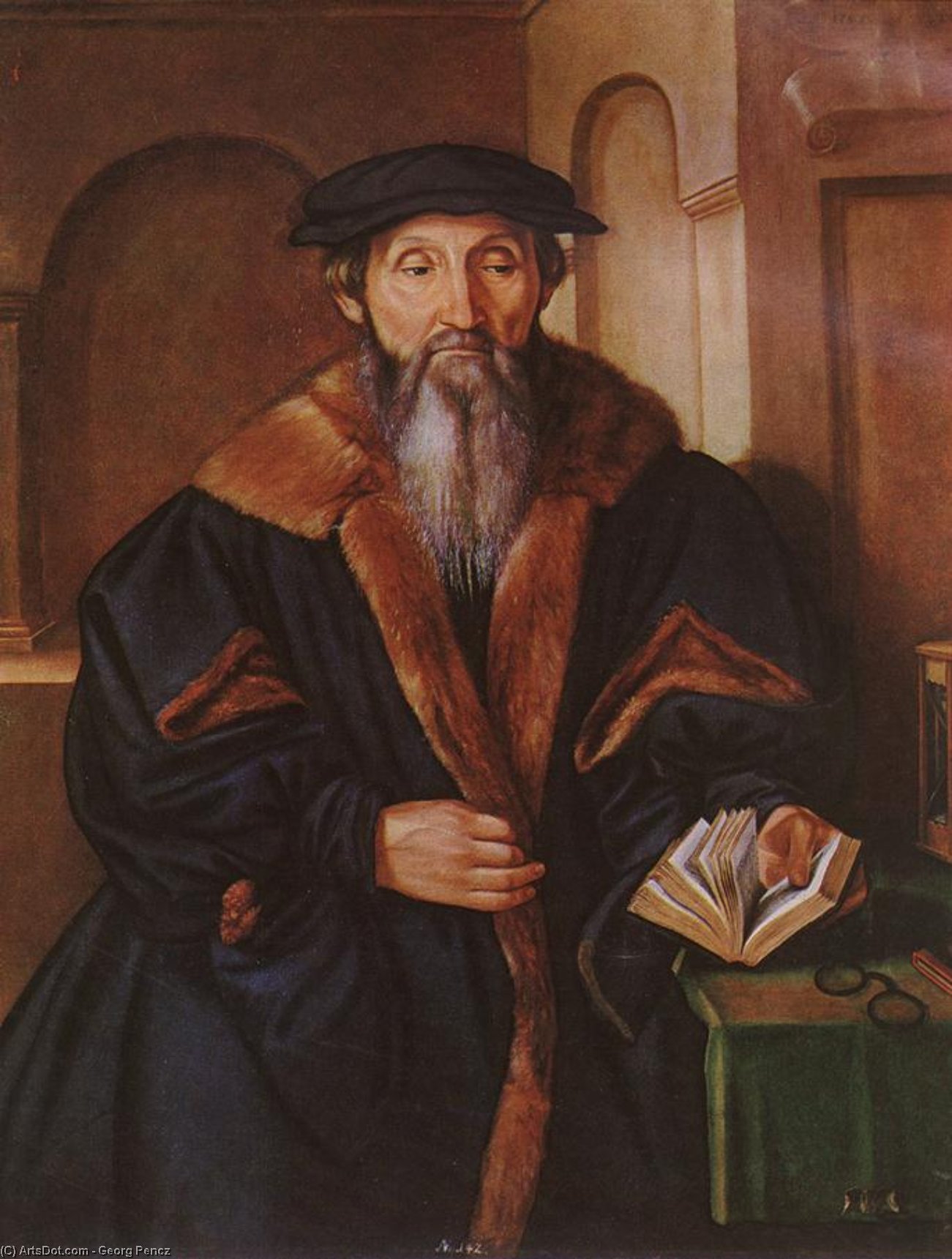
Portrait of a Man
 Oil
Oil- WallArt
- German Renaissance
 1540
1540- Renaissance
 109.0 x 82.0 cm
 Szépművészeti Múzeum
 عرض المزيد
نسخة زيتية مصنوعة يدوياً
لوحة زيتية مرسومة يدوياً على الكانفاس بالمقاس والإطار الذي تفضله، تُنفذ حسب الطلب على أيدي فنانينا. ( التحويل للنسخة المطبوعة التبديل إلى الصورة)




P118B $10

P118H $10

P118W $10

P438Z $10

P508JH $12

P508YH $12

P805H $10

P805Z $10

P919BZ $10

P919G $10

P919XJ $10

P959ZH $10

P968JZ $12

W106C $8

W218G $10

W218JH $8

W218Y $10

W307PJ $10

W316G $10

W316PJ $8

W316Y $10

W398PJ $8

W4111J $10

W500HY $15

W500JH $15

W692G $12

W849H $8

W940BG $15

W953PJ $8




اختر من بين أحجامنا المُعدّة مسبقًا والتي تتطابق مع النسب الأصلية للعمل الفني.

يمكنك إدخال أبعادك الخاصة لتناسب إطارًا معينًا أو مساحة محددة. وإذا لم يتطابق الحجم الذي اخترته مع نسب الصورة الأصلية، فسنقوم إما بقص العمل الفني أو توسيع اللوحة بإضافة عناصر مرسومة يدويًا. سيتم إرسال نموذج رقمي إليك للموافقة عليه قبل بدء الإنتاج.
يرجى ملاحظة أن المعاينة على الشاشة لا تعكس عملية القص أو التوسيع الفعلية؛ حيث إن النموذج الرقمي وحده هو الذي سيوضح التكوين النهائي بدقة.
وعلى الرغم من توفر أحجام مخصصة، إلا أننا نوصي باختيار أبعاد من القائمة المحددة مسبقًا للحفاظ على النسب الأصلية للعمل الفني.
بعد إتمام الطلب، سيرسل فريق OriginalUniqueArt.com بريداً إلكترونياً للعميل لطلب التعليمات وتزويده بمعاينة تجريبية (mockup).
توصيل عالمي إلى خلال 3 إلى 4 أسابيع بدلاً من المدة المعتادة البالغة 5 أسابيع. (11 أغسطس). جودة لا تهاون فيها.

شحن سريع ومجاني لجميع أنحاء العالم

قماش كتان عالي الجودة

تأمين شحن شامل

ضمان استرداد الرسوم الجمركية

ضمان مطابقة الألوان الحقيقية

سياسة الإرجاع خلال 60 يومًا (في حالات العيوب فقط)

ضمان استرداد نقدي بنسبة 100%

خصم عند طلب عدة قطع
 خيار الزجاج متاح فقط للمقاسات التي تقل عن 110 سم

Portrait of a Man
خامة إعادة الإنتاج
مقاس النسخة المطبوعة
-


السعر الإجمالي النهائي
$ 300
السيرة الذاتية للفنان
A Life Etched in Renaissance Germany: The World of Georg Pencz
Georg Pencz, born around 1500 in the Franconian town of Bad Windheim, stands as a compelling figure within the German Renaissance—a master engraver, painter, and printmaker whose career unfolded against a backdrop of religious upheaval and artistic innovation. While precise details of his early life remain elusive, we know he embarked on a journey to Nuremberg around 1523, a city then pulsating with creative energy under the influence of Albrecht Dürer. Joining Dürer’s workshop proved pivotal; it was here that Pencz honed his skills and absorbed the technical brilliance that would define his own artistic path. However, Pencz wasn't merely an imitator. He possessed a unique sensibility, one deeply attuned to the changing currents of thought and expression sweeping across Europe. His travels extended beyond Nuremberg, notably including visits to Italy where he encountered the vibrant art of Venice—an experience that profoundly shaped his aesthetic vision.The ‘Little Master’ and the Power of Printmaking
Pencz quickly established himself as a formidable talent in the burgeoning field of printmaking. In 1525, a dramatic turn of events saw him imprisoned alongside Barthel Beham and Hans Sebald Beham for their association with the radical religious reformer Thomas Müntzer. This shared experience forged a bond between the three artists, leading to their collective designation as the “Little Masters.” Despite their relatively small scale—their prints were often diminutive in size—these works exerted an enormous influence on subsequent generations of printmakers. Pencz’s engravings are characterized by their intricate detail, refined draftsmanship, and a keen observation of human character. He moved beyond traditional religious iconography, exploring secular themes and humanist subjects with a fresh perspective. His series *Six Triumphs of Petrarch* exemplifies this shift, showcasing scenes inspired by the Italian poet's sonnets—a testament to his engagement with classical literature and Renaissance ideals. The *Life of Christ*, comprising 26 plates, demonstrates his ability to narrate complex biblical stories with clarity and emotional depth.Beyond the Engraving: Painting and Trompe-l’œil Illusion
While celebrated primarily as an engraver, Pencz was also a skilled painter. He became particularly renowned for his *trompe-l'œil* ceiling paintings in Nuremberg—optical illusions designed to deceive the eye into perceiving three-dimensional space where none existed. One surviving drawing depicts a scene of workmen raising building materials on a hoist against an open sky, creating the impression that the room was still under construction. These works reveal Pencz’s mastery of perspective and his playful engagement with illusionism—a technique favored by Renaissance artists seeking to blur the boundaries between art and reality. His portraits, executed with meticulous detail and psychological insight, further demonstrate his versatility as a painter. Works like *Portrait of a Young Man*, *Portrait of Marshal Schirmer*, and *Portrait of Erhard Schwetzer and his wife* capture the individuality and social standing of their sitters with remarkable sensitivity.A Courtly Appointment and Lasting Legacy
In 1539, Pencz briefly returned to Italy, visiting Rome for the first time before returning to Nuremberg in 1540. This period marked a turning point in his career; he was appointed city painter and achieved significant success as a portraitist. His reputation continued to grow, culminating in his appointment as court painter by Albert, Duke of Prussia, in 1550. Sadly, Pencz died in Leipzig the same year, before he could take up his new position. Despite his relatively short life, Georg Pencz left an indelible mark on German art. He bridged the gap between the late Gothic tradition and the emerging styles of the High Renaissance, blending technical precision with humanist ideals and a keen understanding of human psychology. His prints continue to captivate viewers with their intricate detail and expressive power, while his paintings offer a glimpse into the lives and sensibilities of 16th-century Germany.Historical Significance and Rediscovery
The story of Georg Pencz is not without its shadows. In March 1939, during the Nazi regime, his painting *Young Couple in a Landscape* was seized from the Jewish collector Arthur Feldmann, who tragically perished in the Holocaust. The artwork resurfaced at Sotheby’s in 1946 and eventually found its way into the collection of Rosi Schilling, who generously donated it to the British Museum. In 2013, after years of research and advocacy, the museum settled a claim for Nazi spoliation from Feldmann's grandson, returning the painting to his rightful heirs—a poignant reminder of the enduring importance of restitution and the preservation of cultural heritage. Today, Georg Pencz is recognized as one of the most important German artists of the Renaissance, his works held in major museums and collections worldwide. His legacy continues to inspire artists and scholars alike, ensuring that his name will be etched forever in the annals of art history.
Georg Pencz
1500 - 1550 , Germany
حقائق سريعة
- Artistic Movement Or Style: High Renaissance
- Artists Or Movements Influenced By This Artist: ['Da Vinci family']
- Artists Who Influenced This Artist: ['Andrea del Verrocchio']
- Date Of Birth: April 15, 1452
- Date Of Death: May 2, 1519
- Full Name: Leonardo di ser Piero da Vinci
- Nationality: Italian
- Notable Artworks:
- Mona Lisa
- The Last Supper
- Vitruvian Man
- Place Of Birth: Vinci, Italy
مقالات ذات صلة

أعمال جورج براك الخالدة: 25 تحفة فنية تزين منزلك بلمسة فنية راقية
اكتشف 25 تحفة فنية لجورج براك، رائد الت تكعيبية. تعرف على قصص لوحاته الخالدة وألوانها الفريدة. طباعة لوحات أصلية عالية الجودة لديكور منزلي فاخر. استكشف المجموعة الكاملة الآن على OriginalUniqueArt.com!

أعمال جورج سورا الخالدة: 25 تحفة فنية تزين منزلك بلمسة فنية راقية
اكتشف 25 تحفة فنية آسرة لجورج سورا، رائد النقطية والانطباعية الجديدة. استكشف قصص لوحاته الخالدة وألوانها المذهلة. احصل على إعادة إنتاج عالية الجودة لديكور منزلي فاخر على OriginalUniqueArt.com

German Expressionism's 10 Defining Masterpieces | Art for Your Home
Explore 10 defining German Expressionism masterpieces – from Munch's 'The Scream' to Kandinsky’s abstracts. Discover the artists, stories & bold colors behind this powerful art movement. Find museum-quality reproductions at OriginalUniqueArt.com.
Neue Sachlichkeit: The Unflinching Realism and Social Critique of German New Objectivity
Explore the raw realism of Neue Sachlichkeit. Discover how German New Objectivity artists like Otto Dix and George Grosz captured the turbulent Weimar Republic through unflinching social critique and precise detail. A definitive guide for art historians and collectors.
The Northern Awakening: Artistic Innovation & Cultural Transformation in the German Renaissance
Explore the artistic innovation of the German Renaissance! Discover Dürer, the Danube School & Reformation art. Learn about techniques, materials & lasting influence. Find museum-quality reproductions at OriginalUniqueArt.

