
 معاينة الحجم الحقيقي
 مشاركة
 مشاركة
 التفاصيل

 تحميل الملف
 قطع مشابهة
 الأشعة السينية
 عرض شرائح
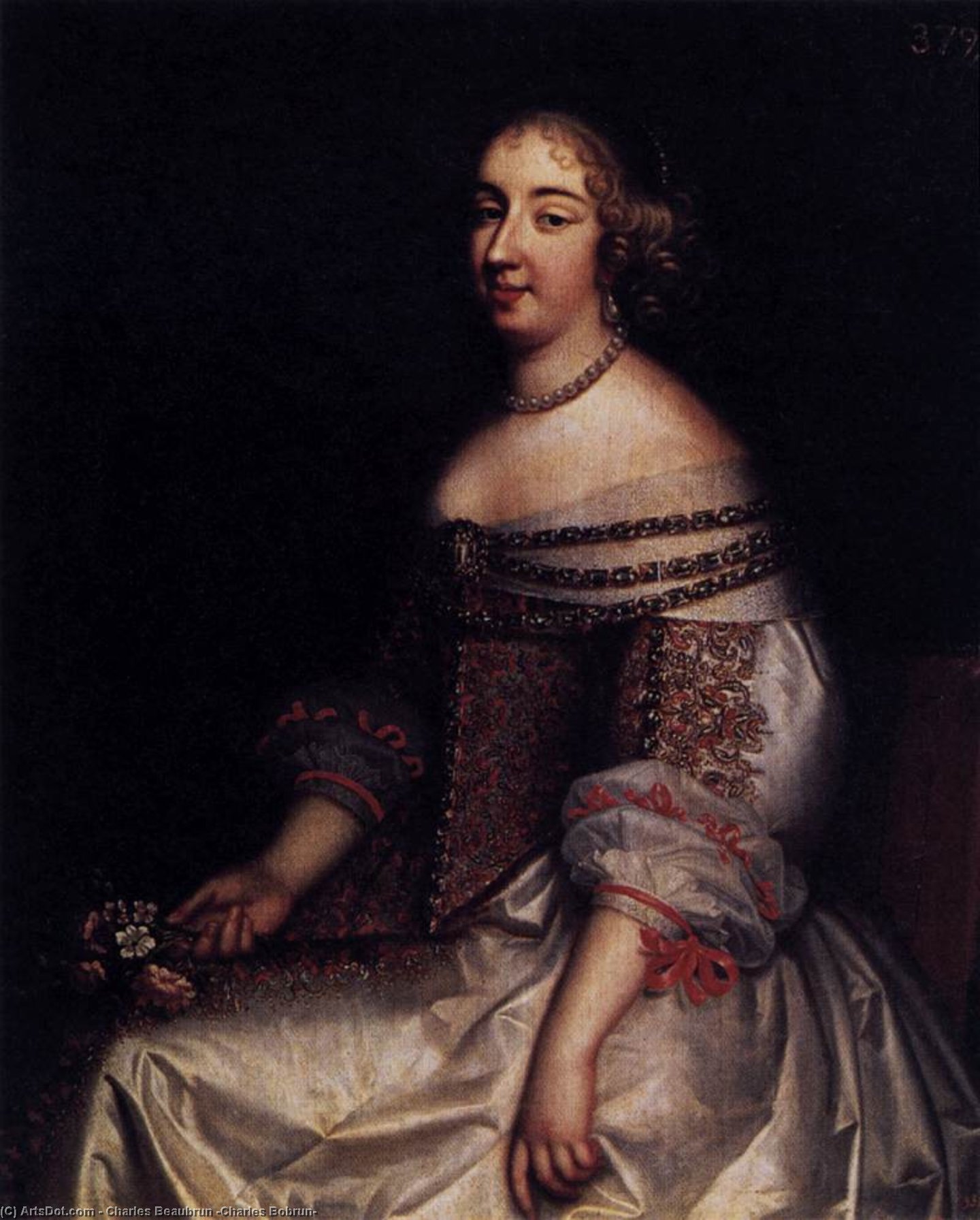
بورتريه مادلينيزيل دي مونتنسييه
 أكريليك على كانفاس
- لوحات جدارية
- Baroque Realism
 1655
1655 109.0 x 88.0 cm
 متحف برادو
 عرض المزيد
نسخة زيتية مصنوعة يدوياً
لوحة زيتية مرسومة يدوياً على الكانفاس بالمقاس والإطار الذي تفضله، تُنفذ حسب الطلب على أيدي فنانينا. ( التحويل للنسخة المطبوعة التبديل إلى الصورة)




P118B $10

P118H $10

P118W $10

P438Z $10

P508JH $12

P508YH $12

P805H $10

P805Z $10

P919BZ $10

P919G $10

P919XJ $10

P959ZH $10

P968JZ $12

W106C $8

W218G $10

W218JH $8

W218Y $10

W307PJ $10

W316G $10

W316PJ $8

W316Y $10

W398PJ $8

W4111J $10

W500HY $15

W500JH $15

W692G $12

W849H $8

W940BG $15

W953PJ $8




اختر من بين أحجامنا المُعدّة مسبقًا والتي تتطابق مع النسب الأصلية للعمل الفني.

يمكنك إدخال أبعادك الخاصة لتناسب إطارًا معينًا أو مساحة محددة. وإذا لم يتطابق الحجم الذي اخترته مع نسب الصورة الأصلية، فسنقوم إما بقص العمل الفني أو توسيع اللوحة بإضافة عناصر مرسومة يدويًا. سيتم إرسال نموذج رقمي إليك للموافقة عليه قبل بدء الإنتاج.
يرجى ملاحظة أن المعاينة على الشاشة لا تعكس عملية القص أو التوسيع الفعلية؛ حيث إن النموذج الرقمي وحده هو الذي سيوضح التكوين النهائي بدقة.
وعلى الرغم من توفر أحجام مخصصة، إلا أننا نوصي باختيار أبعاد من القائمة المحددة مسبقًا للحفاظ على النسب الأصلية للعمل الفني.
بعد إتمام الطلب، سيرسل فريق OriginalUniqueArt.com بريداً إلكترونياً للعميل لطلب التعليمات وتزويده بمعاينة تجريبية (mockup).
توصيل عالمي إلى خلال 3 إلى 4 أسابيع بدلاً من المدة المعتادة البالغة 5 أسابيع. (7 أغسطس). جودة لا تهاون فيها.

شحن سريع ومجاني لجميع أنحاء العالم

قماش كتان عالي الجودة

تأمين شحن شامل

ضمان استرداد الرسوم الجمركية

ضمان مطابقة الألوان الحقيقية

سياسة الإرجاع خلال 60 يومًا (في حالات العيوب فقط)

ضمان استرداد نقدي بنسبة 100%

خصم عند طلب عدة قطع
 خيار الزجاج متاح فقط للمقاسات التي تقل عن 110 سم

بورتريه مادلينيزيل دي مونتنسييه
خامة إعادة الإنتاج
مقاس النسخة المطبوعة
-


السعر الإجمالي النهائي
$ 300
وصف العمل الفني
Portrait of Mademoiselle de Montpensier: Elegance Embodied in Parisian Baroque
- Subject Matter & Context: This captivating portrait depicts Marie de Bourbon, Duchess of Montpensier—a prominent figure within Louis XIV’s court and a symbol of aristocratic refinement during the Belle Époque. The painting captures her serene beauty against a backdrop of understated luxury, reflecting the prevailing aesthetic ideals of the era.
- Artist: Charles Beaubrun: Painted by Charles Beaubrun (Bobrun) around 1655, this artwork exemplifies the artist’s mastery of elegant realism—a style favored for portraying nobility and conveying psychological depth. Beaubrun's reputation rested on his ability to capture not just physical likeness but also inner character.
- Style & Technique: Beaubrun employed meticulous detail and chiaroscuro – dramatic contrasts between light and shadow – characteristic of Baroque painting. The artist skillfully utilized oil paint on canvas, achieving a luminous surface that enhances the richness of color and texture. Observe how the subtle gradations of tone sculpts the figure’s form and draws attention to her gaze.
- Symbolism & Composition: The inclusion of a simple bench and two vases contributes to the painting's symbolic significance, representing stability and cultivated taste—values highly esteemed in aristocratic circles. Beaubrun’s careful arrangement guides the viewer’s eye towards Mademoiselle de Montpensier’s face, emphasizing her contemplative expression and conveying an aura of dignified composure.
- Emotional Impact: Beyond mere representation, this portrait succeeds in evoking a sense of grace and serenity. The artist's masterful handling of light and color creates an atmosphere of refined elegance—a testament to Beaubrun’s ability to translate emotion into visual form. It invites contemplation on beauty, femininity, and the complexities of aristocratic life.
Detailed Examination: Artistic Virtues & Baroque Aesthetics
Charles Beaubrun's approach to portraiture aligns perfectly with the Baroque artistic movement’s core principles. Unlike earlier Renaissance styles prioritizing idealized forms, Baroque painters sought to depict human subjects with palpable emotion and realism—a deliberate departure from classical ideals. Beaubrun skillfully utilized sfumato – a technique pioneered by Leonardo da Vinci – to soften edges and create atmospheric haze, enhancing the painting's luminosity and contributing to its overall sense of depth.
Historical Significance: Marie de Bourbon & Louis XIV’s Court
Marie de Bourbon’s portrait holds considerable historical importance as it represents one of the last vestiges of the Bourbon monarchy’s aristocratic splendor. The painting reflects the opulent tastes and cultural ambitions of Louis XIV, who commissioned numerous artworks to glorify his reign and solidify royal prestige. Beaubrun's depiction captures a moment in time—a snapshot of Marie de Bourbon’s status within the court and her enduring beauty.
Reproductions & Interior Design Considerations
A high-quality reproduction of “Portrait of Mademoiselle de Montpensier” can bring an air of Parisian elegance into any interior space. Consider framing it in a neutral tone—such as ivory or linen—to complement the painting’s subtle palette and preserve its artistic integrity. Its timeless appeal ensures that this masterpiece will continue to inspire admiration for generations to come.
السيرة الذاتية للفنان
Charles Beaubrun (Bobrun): A Master of Elegant Realism
Charles Beaubrun, born in Amboise, France around 1604, emerged from a distinguished family of painters – his father, Jean Beaubrun, was also a respected artist. While biographical details remain somewhat sparse compared to contemporaries like Rembrandt or Rubens, Beaubrun’s legacy rests firmly on his remarkable portraits and allegorical paintings that capture the spirit of Louis XIV's court and beyond. He died in Paris in 1692, leaving behind a body of work celebrated for its refined aesthetic and psychological insight.Early Life and Artistic Training
Information regarding Beaubrun’s formative years is limited. However, it’s believed he received his initial artistic training under the tutelage of Jean Baptiste Dubois, a prominent painter active in Amboise during the reign of Henri IV. This exposure to Dubois's style—characterized by meticulous detail and a humanist sensibility—likely instilled in Beaubrun a foundational understanding of classical principles and compositional techniques. The influence of Nicolas Sustris, another influential artist of the period, is also noted, further broadening Beaubrun’s artistic horizons.Notable Works and Artistic Style
Beaubrun's oeuvre comprises approximately 80 paintings, predominantly portraits executed with exceptional skill and sensitivity. He gained considerable renown for his depictions of royal figures, notably King Louis XIV as a child alongside Philippe I, Duke of Orleans – a piece that exemplifies Beaubrun’s ability to convey both youthful vulnerability and regal dignity. Similarly impressive is his portrait of Anne Marie Louise, Duchess d'Orleans, capturing her serene beauty with remarkable precision. Beyond these portraits, Beaubrun produced several allegorical compositions, including “Minette,” which showcases his mastery of symbolism and narrative storytelling. His technique involved layering thin glazes over a carefully prepared ground, achieving luminous surfaces and subtle tonal gradations that are hallmarks of French Baroque painting. He skillfully employed chiaroscuro—the dramatic interplay of light and shadow—to sculpt form and imbue his subjects with emotional depth.Influence and Legacy
Beaubrun’s artistic style aligns closely with the prevailing trends of the French Baroque, reflecting the humanist ideals championed by Louis XIV's court. He adhered to the principles of disegno – careful observation and anatomical accuracy—a cornerstone of Renaissance art revived during this era. Beaubrun’s work stands apart from many of his peers due to its understated elegance and psychological realism. Unlike some artists who prioritized grandeur or theatricality, Beaubrun focused on capturing the inner life of his subjects, conveying their character and emotions with remarkable subtlety. His influence extended beyond his immediate contemporaries; he served as a teacher and mentor to younger painters, shaping the artistic landscape of Paris during the latter half of the 17th century.Recognition and Continued Appreciation
Charles Beaubrun’s paintings continue to be admired for their beauty and artistry. They reside primarily in private collections and museums across Europe, including the Charles Allis Art Museum in Milwaukee, Wisconsin. Ongoing research into his life and work contributes to a deeper understanding of French Baroque art history and underscores Beaubrun's enduring contribution to European artistic tradition. His meticulous attention to detail and profound psychological insight cemented his place as one of France’s most accomplished portraitists of the era.
charles beaubrun (charles bobrun)
1604 - 1692 , France
حقائق سريعة
- Artistic Movement Or Style: Portraiture
- Date Of Birth: 1604
- Full Name: Charles Beaubrun
- Nationality: French
- Notable Artworks:
- Minette
- King Louis Xiv - As A Child With Philippe I
- Place Of Birth: Amboise, France
مقالات ذات صلة
Masterful Portraits: 10 Artworks That Define a Genre | OriginalUniqueArt
Explore 10 iconic portrait paintings – from Mona Lisa to Van Gogh’s self-portraits. Discover the stories behind these masterpieces, artistic techniques & find museum-quality art reproductions for your home at OriginalUniqueArt.com.
Sir Joshua Reynolds' Masterpieces: 25 Portraits of Power & Refinement | OriginalUniqueArt
Explore 25 captivating portraits by Sir Joshua Reynolds, a master of British art. Discover stories behind his iconic paintings, elegant style & historical influence. Find museum-quality reproductions and elevate your home decor on OriginalUniqueArt.com.
Gray Masterpieces: 10 Iconic Paintings & Timeless Home Decor Ideas
Explore 10 iconic gray paintings by masters like Rembrandt, Hopper & Whistler. Discover the stories behind these atmospheric artworks and find museum-quality art reproductions for your home decor at . Explore the full collection online.
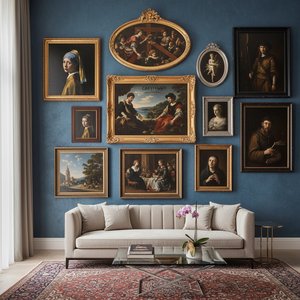
Baroque Painting's Greatest Hits: 10 Masterpieces for Your Home | OriginalUniqueArt
Journey through Baroque painting's glory! Explore 10 masterpieces by Caravaggio, Rembrandt & Vermeer. Discover dramatic lighting, rich colors & timeless stories. Find museum-quality art reproductions for your home at OriginalUniqueArt.com.
أروع 25 تحفة فنية في Alte Pinakothek: رحلة عبر روائع عصر النهضة والباروك
اكتشف أروع 25 لوحة فنية في Alte Pinakothek ميونيخ! رحلة آسرة عبر عصر النهضة والباروك مع روائع ليوناردو ورافائيل وروبنز. استلهم لتصميم منزلك واقتنِ إعادة إنتاج عالية الجودة على OriginalUniqueArt.com.


