
 معاينة الحجم الحقيقي
 مشاركة
 مشاركة
 التفاصيل

 تحميل الملف
 قطع مشابهة
 الأشعة السينية
 عرض شرائح
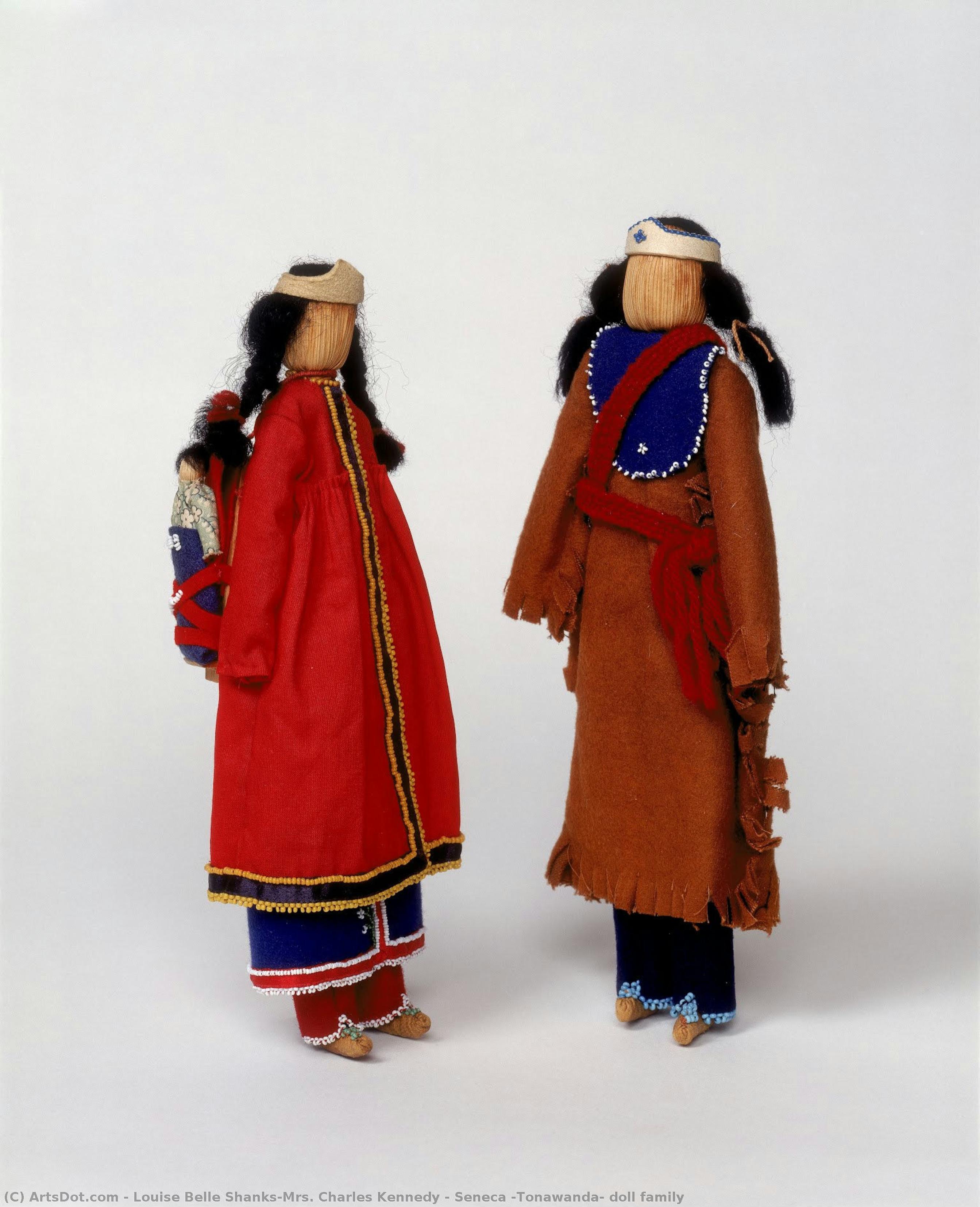
عائلة دمى سينيكا
 أكريليك على كانفاس
- لوحات جدارية
- Modern Abstract Expressionism
 1930
1930 24.0 x 11.0 cm
 المتحف الوطني للهنود الأمريكيين
 عرض المزيد
نسخة زيتية مصنوعة يدوياً
لوحة زيتية مرسومة يدوياً على الكانفاس بالمقاس والإطار الذي تفضله، تُنفذ حسب الطلب على أيدي فنانينا. ( اشترِ نسخة مطبوعة اشترِ الصورة)




P118B $10

P118H $10

P118W $10

P438Z $10

P508JH $12

P508YH $12

P805H $10

P805Z $10

P919BZ $10

P919G $10

P919XJ $10

P959ZH $10

P968JZ $12

W106C $8

W218G $10

W218JH $8

W218Y $10

W307PJ $10

W316G $10

W316PJ $8

W316Y $10

W398PJ $8

W4111J $10

W500HY $15

W500JH $15

W692G $12

W849H $8

W940BG $15

W953PJ $8




اختر من بين أحجامنا المُعدّة مسبقًا والتي تتطابق مع النسب الأصلية للعمل الفني.

يمكنك إدخال أبعادك الخاصة لتناسب إطارًا معينًا أو مساحة محددة. وإذا لم يتطابق الحجم الذي اخترته مع نسب الصورة الأصلية، فسنقوم إما بقص العمل الفني أو توسيع اللوحة بإضافة عناصر مرسومة يدويًا. سيتم إرسال نموذج رقمي إليك للموافقة عليه قبل بدء الإنتاج.
يرجى ملاحظة أن المعاينة على الشاشة لا تعكس عملية القص أو التوسيع الفعلية؛ حيث إن النموذج الرقمي وحده هو الذي سيوضح التكوين النهائي بدقة.
وعلى الرغم من توفر أحجام مخصصة، إلا أننا نوصي باختيار أبعاد من القائمة المحددة مسبقًا للحفاظ على النسب الأصلية للعمل الفني.
بعد إتمام الطلب، سيرسل فريق OriginalUniqueArt.com بريداً إلكترونياً للعميل لطلب التعليمات وتزويده بمعاينة تجريبية (mockup).
توصيل عالمي إلى خلال 3 إلى 4 أسابيع بدلاً من المدة المعتادة البالغة 5 أسابيع. (14 أغسطس). جودة لا تهاون فيها.

شحن سريع ومجاني لجميع أنحاء العالم

قماش كتان عالي الجودة

تأمين شحن شامل

ضمان استرداد الرسوم الجمركية

ضمان مطابقة الألوان الحقيقية

سياسة الإرجاع خلال 60 يومًا (في حالات العيوب فقط)

ضمان استرداد نقدي بنسبة 100%

خصم عند طلب عدة قطع
 خيار الزجاج متاح فقط للمقاسات التي تقل عن 110 سم

عائلة دمى سينيكا
خامة إعادة الإنتاج
مقاس النسخة المطبوعة
-


السعر الإجمالي النهائي
$ 300
وصف العمل الفني
عالم الفن بين الأيدي: صورة توثيقية لأسرة دمى سينيكا الخالدة
تُعد هذه الصورة الفوتوغرافية التي التقطتها Louise Printup Kennedy، المعروفة أيضًا باسم Louise Belle Shanks و Mrs. Charles Kennedy عام 1930، تحفة فنية فريدة تجسد ثقافة وتراث قبيلة سينيكا في أمريكا الشمالية، وتعتبر من أهم الأعمال التوثيقية التي تعكس فنون الحرف اليدوية والتعبير البصري في تلك الحقبة الزمنية. الصورة تظهر أسرتين من الدمى الخشبية، تمثلان شخصيات إقليمية من قبيلة سينيكا، وقد تم تصويرها في خلفية بيضاء بسيطة، مما يبرز تفاصيل أجسادهما وتشكيلتها وألوان ملابسهما الزاهية، ويُعد هذا التكوين البصري مثالًا للجمال الأنيق والتوازن الفني.- الموضوع: تمثيل دقيق لأسرة دمى سينيكا، تعكس هذه الصورة الجمال الطبيعي للتراث الثقافي واللغة البصرية في ذلك العصر، وتُظهر مهارة الحرف اليدوية السائدة في تلك الفترة التاريخية.
- الأسلوب الفني: التوثيقية الفوتوغرافية، حيث تم التقاط الصورة باستخدام عدسة ماكرو عالية الدقة لضمان توثيق تفاصيل دقيقة للأشياء، وتُظهر هذه التقنية الاهتمام بالتفاصيل الصغيرة والواقعية، مما يضيف عمقًا للعمل الفني ويجعله أكثر جاذبية للمتلقي.
- التقنية: استخدام مواد طبيعية مثل الخشب والأسلاك النحاسية لتشكيل أجساد الدمى، بالإضافة إلى الأقمشة والأعواد والخيوط المستخدمة في تزيين الملابس، وتُظهر هذه التقنية الإبداعية وعناية الفنان بالتفاصيل التي تعكس التقاليد الفنية القديمة.
السيرة الذاتية للفنان
Piet Mondrian: Architect of Abstraction
Piet Mondrian, a name synonymous with modern art’s radical shift towards abstraction, was far more than simply a painter; he was a theorist, an architect of visual language, and a fervent believer in the power of art to transcend the mundane. Born Pieter Cornelis Mondriaan on March 7, 1872, in Amersfoort, Netherlands, his artistic journey began within a family steeped in tradition – his father, a schoolmaster, and uncle, an artist associated with the Hague School’s landscape movement. This grounding in both practical education and artistic heritage would profoundly shape his later approach to art. Initially pursuing a career in teaching, Mondrian's passion for painting ultimately led him to Amsterdam’s Rijksakademie, where he honed his skills and began experimenting with various styles before arriving at the revolutionary aesthetic that would define his legacy. His life, tragically cut short by illness on February 1, 1944, in New York City, remains a testament to an artist relentlessly pursuing a vision of universal harmony through pure form.Early Influences and the Transition to Abstraction
Mondrian’s early artistic development was marked by a fascination with landscape painting, mirroring his family's connection to the Hague School. However, around 1908, he began to explore new avenues, influenced by movements like Pointillism and Symbolism. A pivotal moment arrived in 1911 when he encountered Cubism – particularly the work of Picasso and Braque – at an exhibition in Amsterdam. This encounter proved transformative, challenging his understanding of representation and laying the groundwork for his eventual embrace of abstraction. He recognized that Cubism’s fragmentation of form offered a pathway to stripping away superfluous detail and revealing the underlying structure of objects. Crucially, Mondrian didn't simply adopt Cubist techniques; he pushed them further, moving beyond mere imitation towards a purely abstract language. This shift wasn’t arbitrary; it was driven by a deeply held belief that art should transcend the limitations of the physical world and express universal truths.The Development of Neo-Plasticism
Following his relocation to Paris in 1914, Mondrian embarked on a period of intense experimentation and refinement. The outbreak of World War I disrupted his life, forcing him to settle in Domburg, where he spent five years developing what he termed “Neo-Plasticism” (Neoplasticisme). This wasn’t merely a style but a philosophy – a systematic reduction of artistic elements to their most essential components. Mondrian distilled his visual vocabulary to the absolute minimum: straight lines, right angles, primary colors (red, blue, and yellow), and black, white, and gray. He believed that these simple forms could represent the underlying structure of reality, offering a pathway to spiritual enlightenment. His paintings during this period – works like *Composition with Red, Blue and Yellow* – are characterized by their stark geometric arrangements and intense color contrasts. This rigorous approach was further solidified through his involvement in *De Stijl*, an international art movement founded with Theo van Doesburg that championed these principles of abstraction and universal harmony.Key Works and Lasting Legacy
Mondrian’s most iconic works, including *Broadway Boogie Woogie* (1942-43) and *Composition with Red, Blue and Yellow* (1920-21), are instantly recognizable for their dynamic yet balanced compositions. *Broadway Boogie Woogie*, painted during his time in New York, reflects the energy of the city while simultaneously adhering to the principles of Neo-Plasticism. The painting’s fragmented lines and vibrant colors create a sense of movement and rhythm, suggesting an exploration of urban space and its underlying structure. Similarly, *Composition with Red, Blue and Yellow* exemplifies his belief in the power of color to evoke universal emotions and spiritual truths. Throughout his career, Mondrian produced a significant body of work that profoundly influenced generations of artists. His emphasis on abstraction paved the way for movements like Constructivism and Minimalism, while his theoretical writings provided a framework for understanding abstract art as a means of achieving a higher level of aesthetic experience. His legacy extends beyond painting, impacting architecture, design, and even fashion, demonstrating the enduring influence of his radical vision.A Universalist’s Vision
Piet Mondrian's artistic journey wasn't simply about creating beautiful images; it was a quest for universal harmony and spiritual truth. He believed that art should be independent of reality, offering a direct path to the “spiritual” realm. His relentless pursuit of this ideal led him to systematically reduce his visual vocabulary, ultimately arriving at the austere geometric forms that define his most celebrated works. He famously declared in 1914: "Art is higher than reality and has no direct relation to reality. To approach the spiritual in art, one will make as little use as possible of reality, because reality is opposed to the spiritual." This conviction fueled his lifelong dedication to abstraction, solidifying his place as a pivotal figure in the history of modern art – an architect who designed a visual language for a more harmonious world.
louise belle shanks/mrs. charles kennedy
1872 - 1952 , United States of America
حقائق سريعة
- Artistic Movement Or Style:
- Neo-Plasticism
- De Stijl
- Abstract art
- Artists Or Movements Influenced By This Artist:
- Vasily Kandinsky
- Kazimir Malevich
- Artists Who Influenced This Artist:
- Simon Mans
- Abraham Kuyper
- Date Of Birth: March 7, 1872
- Date Of Death: February 1, 1944
- Full Name: Pieter Cornelis Mondriaan
- Nationality: Dutch
- Notable Artworks:
- Composition with Red Blue and Yellow
- Broadway Boogie Woogie
- Victory Boogie Woogie
- Place Of Birth: Amersfoort, Netherlands
مقالات ذات صلة

Gordon Parks: A Poetic Lens on American Life – Photography, Social Justice & Storytelling
Explore the profound work of Gordon Parks, a groundbreaking photographer who documented American life with unparalleled empathy and artistry. Discover his iconic images & lasting impact on social justice through Life magazine & beyond.

Beyond the Lens: Photography's Enduring Influence on Modern & Contemporary Art
Explore photography's pivotal role in shaping modern & contemporary art. Discover key movements, influential artists like Stieglitz, and expert collecting advice from OriginalUniqueArt.

Grant Wood & American Regionalism: Identity, Myth & the Rural Landscape
Explore the world of Grant Wood & American Regionalism with OriginalUniqueArt. Discover the symbolism behind 'American Gothic', recurring themes, and the movement's lasting impact on art history. High-quality reproductions available.

Shadow Catcher: Edward S. Curtis & the Ethnographic Portraiture of a Vanishing West
Explore the life & work of Edward S. Curtis, the 'Shadow Catcher,' and his groundbreaking photographic documentation of Native American cultures. Discover iconic images from *The North American Indian* and a critical look at his lasting legacy.

Monochrome Visions: Exploring the Aesthetic & Historical Significance of Black & White Photography
Explore the rich history & artistic power of black and white photography. From early techniques to iconic masters like Ansel Adams, discover why monochrome continues to captivate art lovers today. Expert insights for collectors.


