Pop Art · 1955
Collection (روبرت راوشنبرغ, 1955)
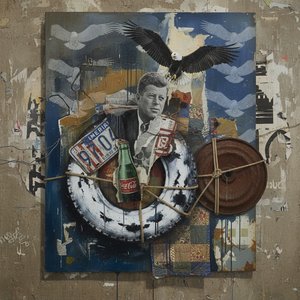
أبدع روبرت راوشنبرغ (1925–2008) في Collection. يعود تاريخها إلى 1955. تنتمي إلى حركة Pop Art. صُنعت من Mixed Media. تُحفظ في متحف سان فرانسيسكو للفن الحديث في سان فرانسيسكو, الولايات المتحدة الأمريكية. أبعادها 203 × 243 cm
- 1955
- Mixed Media
- 203 × 243 cm
- متحف سان فرانسيسكو للفن الحديث

 معاينة الحجم الواقعي

 لوحة زيتية مرسومة يدوياً
 مشاركة
 مشاركة
 ورقة الحقائق


 تحميل الملف
 قطع مشابهة
 الأشعة السينية
 عرض شرائح
 الأسئلة والأجوبة

 الإحصائيات
Collection باختصار
- العنوان
- Collection
- الفنان
- روبرت راوشنبرغ (1925–2008)
- تاريخ ميلاد الفنان
- بورت أرثر, الولايات المتحدة
- التاريخ
- 1955
- الوسيط الفني
- Mixed Media
- الأبعاد
- 203 × 243 cm
- أين يمكن مشاهدتها
- متحف سان فرانسيسكو للفن الحديث, سان فرانسيسكو, الولايات المتحدة الأمريكية
- الحركة
- Pop Art
- الحقبة
- Modern
- الموضوع
- combine painting, collage, fabric, wood scraps, color field, everyday objects
ماذا يصور Collection؟
A Symphony of Chaos and Color: Rediscovering Rauschenberg’s “Collection”
In the mid-1950s, the art world was gripped by the intense, often brooding emotionalism of Abstract Expressionism. Yet, amidst this era of heavy shadows and singular gestures, Robert Rauschenberg emerged with a vision that refused to be contained by the edges of a traditional canvas. His 1955 masterpiece, “Collection,” serves as a breathtaking manifesto of this new era—a work that does not merely sit upon a wall but breathes with the vibrant, messy, and beautiful energy of life itself. To encounter this piece is to witness a pivotal moment in American art history, where the boundaries between the high art of the gallery and the raw textures of the street began to dissolve into something entirely new.
The visual impact of “Collection” is immediate and overwhelming. Spanning an impressive 203 x 243 cm, the work presents a kaleidoscopic tapestry that defies monochromatic simplicity. Instead of the somber tones favored by his contemporaries, Rauschenberg orchestrates a brilliant dialogue between deep reds, sunny yellows, calming blues, and fiery oranges. This is not a painting of static shapes, but a dynamic landscape of layered complexity. As your eyes wander across the surface, you encounter an asymmetrical dance of elements: fragments of weathered wood scraps juxtaposed against unexpected textures, and even the subtle, haunting presence of a mirror positioned off-center, which invites the viewer to physically enter the artwork’s space.
The Alchemy of the Combine: Technique and Texture
At the heart of this work lies Rauschenberg’s revolutionary “Combine” technique, a method that fundamentally redefined what a painting could be. He moved beyond the brush to embrace the world around him, seamlessly blending traditional painting with the tactile reality of collage. Through the use of silkscreen printing alongside meticulously applied fabric and found objects, he achieved a textural richness that is almost sculptural in nature. This hybrid approach allows light to play differently across the canvas, catching on raised surfaces and receding into deep, shadowed crevices.
For the discerning collector or interior designer, this piece offers an unparalleled depth of character. The way the artwork incorporates various shades—from verdant greens to stark whites—creates a sense of movement that changes depending on the lighting of a room. It is a work that demands attention, providing a sophisticated focal point that bridges the gap between modern abstraction and contemporary installation art. The inclusion of diverse shapes, including a delicate bird figure that drifts through the composition, adds a layer of narrative intrigue, making every viewing a new discovery.
A Legacy of Freedom and Artistic Rebellion
To understand “Collection” is to understand the spirit of rebellion that defined Rauschenberg’s career. Born in the oil fields of Texas, his life was one of transition and movement, a nomadic sensibility that allowed him to see beauty in the discarded and the everyday. By integrating found objects into his work, he sought to liberate painting from the rigid confines of form and content, mirroring the broader cultural shifts of a post-war America seeking new modes of expression. He rejected the perceived heaviness of the New York School in favor of a more democratic, inclusive aesthetic.
Ultimately, “Collection” is an invitation to embrace complexity. It symbolizes the beauty found in the collision of disparate parts—the way chaos can be orchestrated into harmony. For those seeking to bring a sense of historical significance and avant-garde energy into a curated space, a high-quality reproduction of this work offers more than just decoration; it offers a piece of the revolution. It is a profound statement of artistic freedom that continues to inspire awe, reminding us that art is not just something to be looked at, but something to be lived within.
أي متحف يضم Collection؟
متحف سان فرانسيسكو للفن الحديث
سان فرانسيسكو, الولايات المتحدة الأمريكية
الأصول والتاريخ العريق للمؤسسة تأسس متحف سان فرانسيسكو للفن الحديث في عام 1935، حيث وُضعت لبناته الأولى تحت قيادة المديرة غريس ل. ماكن مورلي، وكان يعمل في بداياته تحت مسمى متحف سان فرانسيسكو للفن. وقد اتخذ المتحف من مبنى "فيتيرنز" التاريخي مقراً له، وهو الموقع الذي وفر البيئة المثالية لانطلاق مجموعته الفنية المتنامية.


صور عالية الدقة لـ Collection

Protected by copyright: these files are for personal reference, not a licence to republish.
روبرت راوشنبرغ, Collection (1955), متحف سان فرانسيسكو للفن الحديث.
أسئلة وإجابات حول Collection
أين يمكنني مشاهدة العمل الأصلي "Collection" للفنان روبرت راوشنبرغ؟
تُعرض لوحة "Collection" للفنان روبرت راوشنبرغ في متحف سان فرانسيسكو للفن الحديث, سان فرانسيسكو, الولايات المتحدة الأمريكية. ويشير وصف المتحف إلى العمل الأصلي، وليس إلى النسخ المطبوعة.
في أي عام أُبدعت "Collection" للفنان روبرت راوشنبرغ؟
يعود تاريخ "Collection" إلى عام 1955، وهو ما يضع العمل ضمن المسيرة المهنية لـ روبرت راوشنبرغ وفي سياق حقبته الزمنية.
ما هي التقنية المستخدمة في صنع "Collection"؟
تعتمد التقنية المستخدمة في "Collection" للفنان روبرت راوشنبرغ على Mixed Media، وتهدف النسخ المطبوعة إلى محاكاة مظهر هذه التقنية.
ما هي أبعاد "Collection" للفنان روبرت راوشنبرغ في الواقع؟
تبلغ أبعاد "Collection" في شكلها الأصلي 203 x 243 cm. وتُعد الأبعاد الأصلية مرجعاً مفيداً عند اختيار حجم النسخة المطبوعة.
ماذا يصور "Collection"؟
تتضمن الموضوعات المتضمنة في "Collection" للفنان روبرت راوشنبرغ كلاً من combine painting, collage, fabric, wood scraps, color field, everyday objects, abstract forms، والتي تلخص مجتمعةً فحوى العمل الفني.
هل العمل "Collection" ضمن الملكية العامة؟
حالة حقوق الطبع والنشر لـ "Collection" للفنان روبرت راوشنبرغ: العمل يقع ضمن لا تزال محمية بموجب حقوق الطبع والنشر، وهو ما يحدد مدى إمكانية إعادة إنتاج الصورة بحرية.
من أبدع "Collection"؟
الفنان الذي أبدع عمل "Collection" هو روبرت راوشنبرغ، والعمل مُدرج تحت اسم روبرت راوشنبرغ.
إلى أي حركة فنية ينتمي العمل "Collection" للفنان روبرت راوشنبرغ؟
تنتمي لوحة "Collection" للفنان روبرت راوشنبرغ إلى حركة Pop Art الفنية، ويضع هذا التصنيف العمل ضمن سياق مجموعة من الفنانين والأعمال الفنية ذات الصلة.
إلى أي مرحلة من مسيرة روبرت راوشنبرغ الفنية تنتمي لوحة "Collection"؟
ينتمي العمل "Collection" إلى الفترة Combine Era من مسيرة روبرت راوشنبرغ المهنية، مما يربط هذا العمل بمراحل تطور الفنان الفني.
عن الفنان، روبرت راوشنبرغ

1925–2008, الولايات المتحدة
روبرت راوشنبرغ
A Life Forged in Transition روبرت راوشنبيرغ، وُلد ميلتون إرنست راوشنبيرغ في عام 1925 وسط المناظر الطبيعية الغنية بالنفط في بورت آرثر بولاية تكساس، كان فنانًا بدا وجوده وكأنه يعكس الطاقة الديناميكية والروح التحويلية التي جلبها إلى عالم الفن. لم تُعرّف طفولته بموقع واحد؛ فقد استلزم مهنة والده أسلوب حياة بدويًا، حيث عبر تضاريس متنوعة غرست فيه بشكل خفي تقبلاً للمحفزات البصرية المتنوعة والاستعداد لتبني التغيير. عزز هذا التعرض المبكر حساسية متناغمة مع نسيج وإيقاعات الحياة الأمريكية - وهو تيار أساسي شكّل استكشافاته الفنية بعمق. على الرغم من انجذابه الأولي لعلم الصيدلة في جامعة تكساس، فقد انحرف مسار راوشنبيرغ بسرعة، مما قاده إلى الفن - أولاً بدافع الضرورة خلال الخدمة العسكرية في زمن الحرب في البحرية، ثم بدراسة مركزة في معهد كانساس سيتي للفنون والأهم من ذلك، في كلية بلاك ماونتن في نورث كارولينا.
وأيضاً لـ روبرت راوشنبرغ
 إستيت1963
 Signs1970
 Barge1963
 Odalisk1958
مقالات حول Collection
 Robert Rauschenberg: Bridging Painting & Life – A Comprehensive Exploration of Combines, Silkscreens, and the Erasure of BoundariesExplore the revolutionary art of Robert Rauschenberg – Combines, silkscreens & more. Discover his impact on Pop Art, investment potential &…
 Mastering Art Collecting: A Professional Guide to Acquiring Museum-Quality Famous ReproductionsMaster the art of collecting with our expert guide to museum-quality oil reproductions. Learn to distinguish hand-painted masterpieces from…
 Beyond the Subject: The Raw Power of Abstract Expressionism | A Definitive Guide for the Modern CollectorExplore the visceral power of Abstract Expressionism. From the New York School to action painting, discover how to collect high-impact, han…