Symbolism
Psyche and Venus (ماكس كلينغر)
أبدع ماكس كلينغر (1857–1920) في Psyche and Venus. تنتمي إلى حركة Symbolism. صُنعت من Engraving.
- Engraving
 معاينة الحجم الواقعي

 لوحة زيتية مرسومة يدوياً
 مشاركة
 مشاركة
 بطاقة المعلومات


 تحميل الملف
 قطع مشابهة
 الأشعة السينية
 عرض شرائح
 الأسئلة والأجوبة

 الإحصائيات
Psyche and Venus باختصار
- العنوان
- Psyche and Venus
- الفنان
- ماكس كلينغر (1857–1920)
- تاريخ ميلاد الفنان
- لايبزيغ, ألمانيا
- الوسيط الفني
- Engraving
- الحركة
- Symbolism
- الحقبة الزمنية
- 19th Century
- الموضوع
- people, figures, drapery, architecture, steps, columns
ماذا يصور Psyche and Venus؟
Identification of Psyche and Venus by Max Klinger
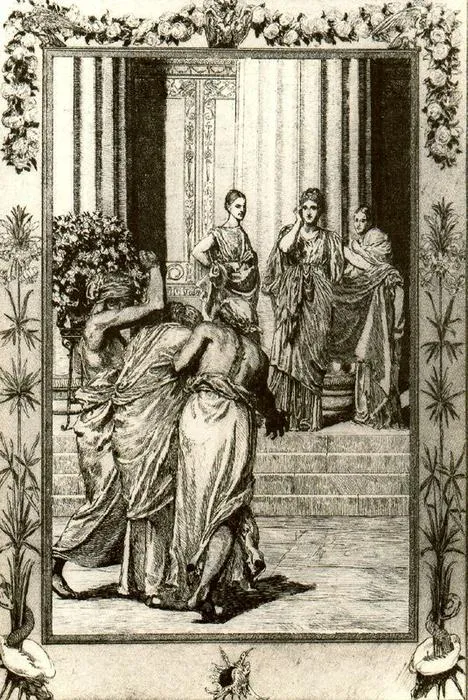
In the quiet tension of this engraving, Psyche and Venus by Max Klinger unfolds a moment of profound mythological drama. The scene captures a pivotal interaction between the mortal soul and the divine, likely focusing on the arduous trials imposed upon Psyche by the goddess Venus. Every line etched into the surface suggests a narrative of devotion and the heavy weight of divine command. We find ourselves watching a scene where the boundaries between the human and the celestial blur through a series of intense, silent gestures.
The subject matter draws from the ancient stories of Aphrodite and her mortal counterpart, presenting a world where gods and humans occupy the same physical space. As the figures interact, there is a sense of supplication and reverence that hangs in the air. One figure kneels in a gesture of profound devotion, while others watch from a raised platform, their presence adding a layer of formal, architectural gravity to the unfolding myth. It is a moment frozen in time, where the struggle of the soul meets the unyielding will of the divine.
Composition and Visual Elements of the Work
The scene unfolds with a heavy, dramatic focus on a central embrace. A kneeling figure reaches out to hold another who lies motionless, creating a core of intense physical connection. Behind this intimate moment, three standing figures remain poised upon a raised dais, watching from a higher plane. A decorative architectural framework encloses the entire gathering, lending a sense of formal structure to the mythological drama. The arrangement maintains a careful balance, establishing clear divisions between the immediate foreground and the receding background.
Organic shapes define the primary subjects, as the soft curves of human limbs and the flowing folds of drapery contrast against the rigid surroundings. These natural forms meet the sharp, geometric precision of the architecture. Steps and columns provide a structured environment for the figures, while linear perspective draws the eye into the depth of the space. As the architectural elements recede, they grow smaller, pulling the viewer deeper into this staged, mythological world.
Technique and Materials Used in the Engraving
The artist works with a metal plate, likely copper or steel, to capture this mythological scene. Every detail emerges from the deliberate act of cutting lines into the surface. Using specialized engraving tools, the artist carves through the metal, preparing the way for ink to settle into the grooves. This process transforms a cold, hard material into a medium of profound texture. The resulting print on paper carries a tactile quality, one that mimics the very feel of etched metal through its precise, rhythmic application of ink.
Fine, precise lines define the contours of the figures and the folds of their drapery. There is a constant dance of light and shadow achieved through the mastery of hatching and cross-hatching. These overlapping lines create subtle tonal variations, building depth where the light hits a shoulder or recedes into a shadow. The meticulousness of the technique ensures that even the smallest textures—the smoothness of skin or the weight of fabric—are rendered with clarity. The interplay of these etched marks creates a sense of form that feels almost sculptural, despite being a two-dimensional print.
Visual Style and Artistic Characteristics
The scene unfolds in a monochromatic realm, where the absence of color forces the eye to find meaning through a delicate dance of gray. Every contour and shadow emerges from a meticulous arrangement of fine, precise lines. This technique creates a textured surface that mimics the tactile quality of etched metal, allowing the viewer to sense the weight of drapery and the softness of skin through subtle tonal shifts. The lighting remains diffused and even, casting gentle shadows that define the forms without the intrusion of harsh, jarring contrasts. It feels as though a soft, celestial glow emanates from behind the figures, bathing the mythological drama in a steady, quiet light.
There is a profound sense of order and reverence in the way the figures occupy the space. The style remains deeply rooted in the traditions of 19th-century engraving, drawing heavily from the aesthetics of classical art and mythology. This influence is visible in the formal arrangement of the deities and the architectural framework that provides a sense of structured depth. The artist demonstrates an immense level of technical skill, using hatching and cross-hatching to build a world that feels both physically present and steeped in ancient legend. Every detail, from the intricate folds of fabric to the precise lines of the background, contributes to a composition that prioritizes narrative clarity and formal balance.
Related Works by Max Klinger
The shadows of the artist's imagination stretch into many other realms through his various print series. In 1881, he presents the dreamlike exploration of Paraphrase on the Finding of a Glove, a work that transforms a simple object into a vessel for memory and longing. This same year, he offers the Amor und Psyche, Opus V, which continues his fascination with the mythic ties between love and the soul. His hand also moves through the intense narratives of Dramen, Opus IX and the atmospheric Intermezzi, Opus IV, both emerging in 1881. These works reveal a mind constantly navigating the space between the tangible and the subconscious.
The weight of myth and the passage of time appear in his earlier explorations. In 1880, he produced Eva und die Zukunft, Opus III and the Deliverances of Ovidian Victims, Opus II, alongside the Rettungen Ovidischer Opper, Opus II. These etchings capture moments of profound tension and psychological depth. By 1883, his vision expands into the natural world through Vier Landschaften, Opus VII, proving that even the landscape can hold the same narrative complexity as his mythological figures. Each series acts as a window into the shifting currents of his creative spirit.
صور عالية الدقة لـ Psyche and Venus
ماكس كلينغر, Psyche and Venus. ملك عام
أسئلة وإجابات حول Psyche and Venus
ما هي التقنية المستخدمة في تنفيذ "Psyche and Venus" للفنان ماكس كلينغر؟
استخدم ماكس كلينغر تقنية Engraving في عمل "Psyche and Venus"، وهي التقنية التي تحدد الطبيعة المادية للعمل الأصلي.
ماذا يصور "Psyche and Venus"؟
تتضمن الموضوعات المتضمنة في "Psyche and Venus" للفنان ماكس كلينغر كلاً من people, figures, drapery, architecture, steps, columns, monochrome، والتي تلخص مجتمعةً فحوى العمل الفني.
هل يمكن إعادة إنتاج صورة "Psyche and Venus" للفنان ماكس كلينغر بحرية؟
تندرج لوحة "Psyche and Venus" للفنان ماكس كلينغر ضمن نطاق ملك عام - انتهت مدة حماية حقوق الطبع والنشر الخاصة به، وتحدد هذه الحالة الشروط التي يمكن بموجبها إعادة إنتاج صورة العمل الفني.
من أبدع "Psyche and Venus"؟
الفنان الذي أبدع عمل "Psyche and Venus" هو ماكس كلينغر، والعمل مُدرج تحت اسم ماكس كلينغر.
إلى أي حركة فنية ينتمي العمل "Psyche and Venus" للفنان ماكس كلينغر؟
تنتمي لوحة "Psyche and Venus" للفنان ماكس كلينغر إلى حركة Symbolism الفنية، ويضع هذا التصنيف العمل ضمن سياق مجموعة من الفنانين والأعمال الفنية ذات الصلة.
إلى أي مرحلة من مراحل تطور ماكس كلينغر ينتمي العمل "Psyche and Venus"؟
تُمثل "Psyche and Venus" الحقبة الإبداعية لـ ماكس كلينغر خلال فترة Mature Period.
ما هي الأسباب الكامنة وراء الوضع القانوني لحقوق الطبع والنشر لـ "Psyche and Venus" للفنان ماكس كلينغر؟
يُعد عمل "Psyche and Venus" للفنان ماكس كلينغر من الأعمال التي تندرج ضمن ملك عام - انتهت مدة حماية حقوق الطبع والنشر الخاصة به؛ حيث تُحتسب مدة حماية حقوق الطبع والنشر بدءاً من تاريخ وفاة الفنان في عام 1920.
كيف تندرج لوحة "Psyche and Venus" ضمن المسيرة الفنية لـ ماكس كلينغر؟
تندرج لوحة "Psyche and Venus" ضمن النتاج الفني لـ ماكس كلينغر، حيث تجسد أسلوب Symbolism وتستعرض موضوعات menzel and goya, symbolism, mythological narratives, psychological depth, intaglio media mastery.
كيف يرتبط موضوع "Psyche and Venus" بالمواضيع المعتادة لدى ماكس كلينغر؟
من بين الثيمات المسجلة لـ ماكس كلينغر - وهي menzel and goya, symbolism, mythological narratives, psychological depth, intaglio media mastery - يركز عمل "Psyche and Venus" بشكل خاص على people, figures, drapery, architecture, steps, columns, monochrome.
عن الفنان، ماكس كلينغر

1857–1920, ألمانيا
ماكس كلينغر
عالم ماكس كلينغر المظلل: رائد الرمزية ماكس كلينغر، الذي ولد في لايبزيغ عام 1857، ظهر كشخصية محورية تربط بين الواقعية والعالم الناشئ للرمزية. لم تكن رحلته الفنية رحلة اعتراف فوري، بل كانت تطوراً تدريجياً لرؤية فريدة – هبوط في الأعماق النفسية التي كان لها تأثير عميق على الفن الحديث. قدم له تدريبه المبكر في أكاديمية الفنون الجميلة في كارلسروه، تحت إشراف كارل جوسو، أساسًا متينًا في التقنيات التقليدية، ومع ذلك فإن ولعه بالنقوش لفنانين مثل منزل وغويا هو الذي أشعل خياله حقًا. أظهر هؤلاء الأساتذة قوة الطباعة في نقل ليس مجرد التمثيل البصري فحسب، بل أيضًا التعقيد السردي والشدة العاطفية – وهي صفات سيتقنها كلينغر طوال حياته المهنية.
أعمال أخرى لـ ماكس كلينغر
 الموت يتبول
 The Isle of the Dead
 Y sin embargo!
 Presa
مقالات حول Psyche and Venus
 25 Must-See Masterpieces at Berlin's Alte NationalgalerieExplore 25 iconic masterpieces from Berlin's Alte Nationalgalerie. From Romanticism to Impressionism, discover them all on OriginalUniqueAr…
 German artworks of the 1850s1850s German masterpieces by Franz Xaver Winterhalter and Albert Bierstadt. View the full collection online at OriginalUniqueArt.com.
 Masterpieces Unveiled: The Top 25 Artworks at Kunsthaus ZürichExplore 25 icons from Kunsthaus Zürich, from Monet to Giacometti. Discover museum-quality art on OriginalUniqueArt.com.