Fauvism · 1923
Nude (أندريه ديرين, 1923)
أبدع أندريه ديرين (1880–1954) في Nude. يعود تاريخها إلى 1923. تنتمي إلى حركة Fauvism. صُنعت من Oil On Canvas. أبعادها 44 × 58 cm
- 1923
- Oil On Canvas
- 44 × 58 cm

 معاينة الحجم الواقعي

 لوحة زيتية مرسومة يدوياً
 مشاركة
 مشاركة
 ورقة الحقائق


 تحميل الملف
 قطع مشابهة
 الأشعة السينية
 عرض شرائح
 الأسئلة والأجوبة

 الإحصائيات
Nude باختصار
- العنوان
- Nude
- الفنان
- أندريه ديرين (1880–1954)
- تاريخ ميلاد الفنان
- شاتو, فرنسا
- التاريخ
- 1923
- الوسيط الفني
- Oil On Canvas
- الأبعاد
- 44 × 58 cm
- الحركة
- Fauvism
- الحقبة
- Modern
- الموضوع
- woman, nude, female figure, grayscale, seated woman
ماذا يصور Nude؟
Identification of the Nude by André Derain
In this 1923 work, titled Nude, André Derain turns his attention to the quietude of the human form. The painting presents a nude female figure, captured in a moment of stillness that invites a closer, more intimate observation. It is a study of presence and form, rendered with a focus on the essential character of the subject.
The artist, André Derain, approaches the figure with a sense of restraint. Rather than relying on the loud, unmixed hues of his earlier Fauvist period, this piece reflects a more disciplined sensibility. The subject is seated and facing forward, occupying the central space of the composition. There is a certain gravity to her pose, suggesting a state of introspection or perhaps a quiet contemplation of her surroundings.
This work belongs to a period in the artist's career where structure and form began to take precedence. The figure is defined by simplified shapes and a deliberate use of line. It is a direct encounter with the subject, stripped of unnecessary distraction, allowing the viewer to focus entirely on the weight and volume of the female form as it exists within the frame.
Composition and Visual Elements
The figure is centrally positioned within the frame, creating a quiet sense of balance that draws the eye immediately to the subject. She is seated in a moment of stillness, her pose defined by arms crossed and resting upon her legs. This arrangement suggests a state of introspection or perhaps a simple, unhurried relaxation. The composition avoids complex spatial arrangements, opting instead for a relatively flat perspective that lacks a strong sense of depth, keeping the viewer's attention fixed on the immediate presence of the form.
There is a deliberate simplification in how the human form is rendered. The artist employs simplified geometric shapes to represent the body, using curves to trace the silhouette while sharper angles define the features of the face, such as the nose and eyebrows. This structural approach gives the figure a certain weight and presence despite the lack of environmental detail. The background remains largely undefined, which serves to isolate the subject and emphasize the contours of her body.
The palette is strictly monochromatic, relying on a controlled range of shades including gray, white, and black. Rather than using color to create volume, the artist uses subtle variations in tone to model the figure. Strong, visible brushstrokes define the contours of the body and the facial features. These lines are not blended into smooth transitions; instead, they retain an individual character that adds a tactile energy to the surface. The interplay between these textured strokes and the softer areas of the skin creates a visual rhythm that is both disciplined and expressive.
Technique and Material Details
This work is an oil on canvas, executed with a deliberate and tactile approach to the medium. The artist employs visible brushstrokes that remain unblended in many areas, creating a surface defined by its physical texture. These marks are not merely marks of application but are essential to the structural definition of the figure, providing a sense of energy and movement across the form.
There is a clear evidence of layering and careful blending used to achieve subtle tonal variations. This technique allows for a nuanced transition between light and shadow, giving the subject a sense of volume and presence. The interplay of these layers creates a depth that relies on the weight of the paint rather than a reliance on linear perspective. The result is a surface where the materiality of the oil paint is as much a part of the composition as the subject itself.
صور عالية الدقة لـ Nude

أندريه ديرين, Nude (1923). ملك عام
ألوان مطابقة للأصل بواسطة خبير رقمي، وملف تمت معالجته بدقة ليكون وفياً لضربات فرشاة الفنان.
امتلك الملف عالي الدقةأسئلة وإجابات حول Nude
في أي عام أُبدع العمل "Nude" للفنان أندريه ديرين؟
أُبدع العمل الفني "Nude" للفنان أندريه ديرين في عام 1923.
ما هي التقنية المستخدمة في تنفيذ "Nude" للفنان أندريه ديرين؟
نُفذت لوحة "Nude" باستخدام Oil On Canvas.
ما هي أبعاد العمل الأصلي "Nude"؟
تبلغ أبعاد "Nude" في شكلها الأصلي 44 x 58 cm. وتُعد الأبعاد الأصلية مرجعاً مفيداً عند اختيار حجم النسخة المطبوعة.
ما هي الموضوعات التي يتناولها "Nude" للفنان أندريه ديرين؟
تتضمن الموضوعات المتضمنة في "Nude" للفنان أندريه ديرين كلاً من woman, nude, female figure, grayscale, seated woman، والتي تلخص مجتمعةً فحوى العمل الفني.
هل يمكن إعادة إنتاج صورة "Nude" للفنان أندريه ديرين بحرية؟
تندرج لوحة "Nude" للفنان أندريه ديرين ضمن نطاق ملك عام - انتهت مدة حماية حقوق الطبع والنشر الخاصة به، وتحدد هذه الحالة الشروط التي يمكن بموجبها إعادة إنتاج صورة العمل الفني.
من هو الفنان الذي أبدع "Nude"؟
يُنسب العمل "Nude" إلى أندريه ديرين.
إلى أي تيار فني تنتمي "Nude" للفنان أندريه ديرين؟
ينتمي العمل "Nude" إلى مدرسة Fauvism، وهي المدرسة التي تمثل التقليد الفني الذي يندرج ضمنه هذا العمل.
إلى أي مرحلة من مسيرة أندريه ديرين الفنية ينتمي العمل "Nude"؟
تندرج لوحة "Nude" ضمن مرحلة Return to order من مسيرة أندريه ديرين المهنية، وهي مرحلة تتيح مقارنة هذا العمل بأعمال الفنان الأخرى.
كم كان عمر أندريه ديرين عند إبداع "Nude" في عام 1923؟
عندما أُبدع العمل "Nude" في عام 1923، كان عمر الفنان أندريه ديرين - المولود في 1880 - هو 43 عاماً.
عن الفنان، أندريه ديرين
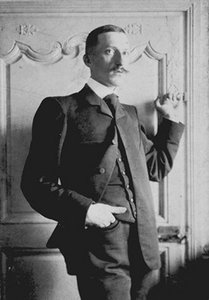
1880–1954, فرنسا
أندريه ديرين
الحياة المبكرة، العائلة والتدريب في عام 1880، أبصر أندريه ديران النور في شاتو، تلك القرية الهادئة الرابضة في منطقة إيفلين بفرنسا. تشكلت سنواته الأولى تحت تأثير المناظر الطبيعية الساكنة في منطقة إيل دو فرانس، حيث بدأت بذور الفضول الفطري تجاه العالم المحيط تضرب جذورها في وجدانه. وبحلول عام 1895، كان قد بدأ بالفعل رحلة التعلم الذاتي، ساعياً لفهم العالم البصري من خلال عينيه الخاصة بعيداً عن قيود التعليم الأكاديمي الصارم. سمحت له هذه الفترة من الاستكشاف الحر بتطوير رؤية فنية شخصية وفريدة، قبل أن تفرض عليه الأكاديميات قواعدها الصارمة.
وأيضاً لـ أندريه ديرين
 bathers1907
 London Bridge1906
 Charing Cross from sw1906
 Landscape at L'Estaque1906
مقالات حول Nude
 French artworks of the 1920sIconic French works by Matisse and Léger define the 1920s. Explore the full collection online at OriginalUniqueArt.com.
 The Evolving Human Form: Tracing Light and Flesh from Impressionism to Post-ImpressionismExplore the evolution of the human form from academic realism to Post-Impressionism. Trace the history of light and flesh with us.
 The Architecture of Stillness: A Curated Study of Seated Figures in Art HistoryExplore the psychological depth of seated figures from Rembrandt to Roman realism. Discover the secrets of art history now.