Romanticism · 1800
Architecture with Figures (هوبير روبرت, 1800)
أبدع هوبير روبرت (1733–1808) في Architecture with Figures. يعود تاريخها إلى 1800. تنتمي إلى حركة Romanticism. صُنعت من Oil On Paper. تُحفظ في Statens Museum For Kunst في كوبنهاغن, الدنمارك. أبعادها 86 × 106 cm
- 1800
- Oil On Paper
- 86 × 106 cm
- Statens Museum For Kunst, كوبنهاغن

 معاينة الحجم الواقعي

 لوحة زيتية مرسومة يدوياً
 مشاركة
 مشاركة
 ورقة الحقائق


 تحميل الملف
 قطع مشابهة
 الأشعة السينية
 عرض شرائح
 الأسئلة والأجوبة

 الإحصائيات
Architecture with Figures باختصار
- العنوان
- Architecture with Figures
- الفنان
- هوبير روبرت (1733–1808)
- تاريخ ميلاد الفنان
- باريس, فرنسا
- التاريخ
- 1800
- الوسيط الفني
- Oil On Paper
- الأبعاد
- 86 × 106 cm
- أين يمكن مشاهدتها
- Statens Museum For Kunst, كوبنهاغن, الدنمارك
- الحركة
- Romanticism
- الحقبة
- 19th Century
- الموضوع
- architecture, figures, columns, ruins, sky, stone
ماذا يصور Architecture with Figures؟
Identification of Architecture with Figures
Architecture with Figures is a painting by the French artist Hubert Robert. This work dates to about 1800. The artist, who was a member of the school of Romanticism, produced this piece during a period of significant transition in French art. Robert's background in both sculpture and painting informs the structural presence of the subjects within this composition.
The artwork depicts a scene of monumental classical ruins. The subject matter focuses on three figures—a standing man, a seated woman, and an older seated figure—who interact near a stone basin or altar. These figures are positioned amidst large-scale architectural elements, including massive columns and an arched structure. The scene is set under a vast, cloudy sky, with an obelisk visible in the distance to establish depth.
The visual presentation of the work relies on a monochromatic palette. It utilizes various shades of grey, black, and white to define the forms. This approach emphasizes the interplay of light and shadow across the textures of weathered stone, smooth marble, and soft fabric. The composition uses strong vertical lines from the columns and the obelisk to contrast with the curved lines of the arches and the draped clothing of the figures.
The Composition and Visual Elements
The composition is organized around large-scale architectural elements that establish a sense of monumental scale. On the right side, massive columns rise vertically, while an arched structure on the left side of the frame creates a boundary for the central scene. These structural components frame a central group of three figures positioned near a stone basin or altar. This group consists of a standing man, a seated woman, and an older seated figure engaged in interaction. In the background, an obelisk is placed in the distance, contributing to the receding perspective and the depth of the scene.
The color palette is monochromatic, utilizing various shades of grey, black, and white. This lack of hue emphasizes the interplay of light and shadow across the various surfaces. Dramatic lighting originates from a directional source, casting deep shadows and creating bright highlights on the textures of the weathered stone, the smooth marble, and the soft fabric of the draped clothing. The arrangement of lines reinforces the structural order, using strong verticality through the columns and the obelisk, contrasted by the curved lines of the classical arches and the organic forms of the figures and scattered flowers.
Technique and Artistic Method
The medium of this work appears to be a monochrome painting, likely executed in oil or wash on paper. The artist employs fine brushwork to render the intricate details of the architectural elements and the folds of the drapery. These precise strokes define the textures of the weathered stone and the soft surfaces of the fabric worn by the figures.
Robert frequently utilized the alla prima technique in his practice. This method involves applying paint in a direct and spontaneous manner. Such an approach allows for a sense of immediacy in the execution of the composition. The application of pigment creates a clear distinction between the solid, geometric forms of the columns and the more organic, fluid shapes of the human figures and scattered flowers.
The Artistic Style of Hubert Robert
Hubert Robert is noted for his landscape paintings and his development of the capriccio. These works consist of semi-fictitious, picturesque depictions of ruins located in Italy and France. His approach to these subjects involves a specific method of blending careful observation with a heightened imagination. This combination allows for the construction of theatrical atmospheres within the landscape. He often uses atmospheric perspective to soften distant horizons, which creates a sense of depth and space.
The artist's technique is characterized by a versatility that moves between the precision of a draftsman and the fluid touch of a painter. He frequently employed the alla prima technique, applying paint in a direct and spontaneous manner. This method contributes to the immediacy of his compositions. His work often utilizes light and shadow to manipulate the perception of space, using these elements to suggest a sense of history within the architectural forms.
أي متحف يضم Architecture with Figures؟
Statens Museum For Kunst
كوبنهاغن, الدنمارك
تاريخ وجذور Statens Museum For Kunst تعود جذور Statens Museum For Kunst إلى المجموعات الفنية الخاصة التي جمعها ملوك الدنمارك عبر العصور، حيث شكلت تلك الكنوز الملكية حجر الزاوية لما أصبح اليوم أكبر متحف للفنون في الدنمارك. وبينما ترتبط أصول هذه المؤسسة بتلك المجموعات السيادية، فإن تأسيسها الرسمي يتجسد في تاريخين محوريين؛ فقد تأسس المتحف في عام 1824، ثم اكتسب هويته الحالية في عام 1896. ويعكس هذا التطور تحولاً جوهرياً من كون الفن وسيلة للمتعة الملكية الخاصة إلى رسالة ثقافية عامة، حيث كان الهدف من التأسيس هو إتاحة الفرصة للجمهور للوصول إلى عالم الفن، ونقل هذه الكنوز من عزلة القصور إلى فضاء مشترك يجمع بين الناس.


صور عالية الدقة لـ Architecture with Figures

هوبير روبرت, Architecture with Figures (1800), Statens Museum For Kunst. ملك عام
أسئلة وإجابات حول Architecture with Figures
أين يمكنني مشاهدة العمل الأصلي "Architecture with Figures" للفنان هوبير روبرت؟
يمكنكم مشاهدة العمل الأصلي "Architecture with Figures" في Statens Museum For Kunst, كوبنهاغن, الدنمارك.
في أي عام أُبدعت "Architecture with Figures" للفنان هوبير روبرت؟
أُبدع العمل الفني "Architecture with Figures" للفنان هوبير روبرت في عام 1800.
ما هي التقنية المستخدمة في "Architecture with Figures" للفنان هوبير روبرت؟
تعتمد التقنية المستخدمة في "Architecture with Figures" للفنان هوبير روبرت على Oil On Paper، وتهدف النسخ المطبوعة إلى محاكاة مظهر هذه التقنية.
ما هي أبعاد "Architecture with Figures" للفنان هوبير روبرت في الواقع؟
أبعاد العمل الفني المسجلة لـ "Architecture with Figures" للفنان هوبير روبرت هي 86.0 x 106.0cm. يمكن طلب نسخ مطابقة بأحجام أخرى مع الحفاظ على نفس النسب.
ماذا يصور "Architecture with Figures"؟
تُصور "Architecture with Figures" للفنان هوبير روبرت: architecture, figures, columns, ruins, sky, stone, drapery.
هل يمكن إعادة إنتاج صورة "Architecture with Figures" للفنان هوبير روبرت بحرية؟
تندرج لوحة "Architecture with Figures" للفنان هوبير روبرت ضمن نطاق ملك عام - انتهت مدة حماية حقوق الطبع والنشر الخاصة به، وتحدد هذه الحالة الشروط التي يمكن بموجبها إعادة إنتاج صورة العمل الفني.
من أبدع "Architecture with Figures"؟
يُنسب العمل "Architecture with Figures" إلى هوبير روبرت.
إلى أي تيار فني تنتمي "Architecture with Figures" للفنان هوبير روبرت؟
ينتمي العمل "Architecture with Figures" إلى مدرسة Romanticism، وهي المدرسة التي تمثل التقليد الفني الذي يندرج ضمنه هذا العمل.
إلى أي مرحلة من مسيرة هوبير روبرت الفنية ينتمي العمل "Architecture with Figures"؟
ينتمي العمل "Architecture with Figures" إلى الفترة Late Period من مسيرة هوبير روبرت المهنية، مما يربط هذا العمل بمراحل تطور الفنان الفني.
عن الفنان، هوبير روبرت
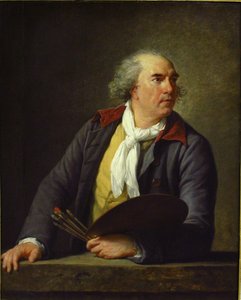
1733–1808, فرنسا
هوبير روبرت
الحياة المبكرة، العائلة والتدريب الفني وُلد هوبرت روبرت في باريس عام 1733، ليدخل عالماً كانت فيه المكانة الاجتماعية لعائلته مرتبطة بخدمة الآخرين. فقد شغل والده، نيكولا روبرت، منصباً داخل منزل إحدى الشخصيات البارزة، وهي صلة ستسهل لاحقاً تنقل الشاب عبر الطبقات العليا من المجتمع الفرنسي. وفر هذا الاستقرار المبكر الأساس لتعليم رسمي، سعى من خلاله في البيئة المنظمة لكلية نافار (Collège de Navarre). وبحلول عام 1751، كان قد أتم دراسته تحت إشراف اليسوعيين، مكتسباً خلفية فكرية منضبطة قبل أن يوجه اهتمامه نحو الفنون البصرية.
وأيضاً لـ هوبير روبرت
 The Pont du Gard1787
 The Finding of the Laocoön1773
 Le port de Ripetta
 PROJET D'AMENAGEMENT DE LA GRANDE GALERIE DU LOUVRE

مقالات حول Architecture with Figures
 Hubert Robert: Picturing Ruins, Preserving Memory – A Study of Romantic Antiquarianism & Artistic InnovationExplore the captivating world of Hubert Robert, master of Romantic landscape painting & 'capriccio' ruins. Discover his historical context,…
 Vedute and Capriccio: Distinguishing Topographical Views from Architectural FantasyMaster the difference between veduta and capriccio through expert art history analysis. Explore the masters of Italian landscape art today.
 French artworks of the 1880sFrench Impressionist masterpieces by Claude Monet, Pierre-Auguste Renoir, and Georges Seurat. Find museum-quality reproductions on Original…