Surrealism · 1945
Moses (فريدا كاهلو, 1945)
أبدع فريدا كاهلو (1907–1954) في Moses. يعود تاريخها إلى 1945. تنتمي إلى حركة Surrealism. صُنعت من Acrylic On Canvas. أبعادها 61 × 76 cm
- 1945
- Acrylic On Canvas
- 61 × 76 cm

 معاينة الحجم الواقعي

 لوحة زيتية مرسومة يدوياً
 مشاركة
 مشاركة
 ورقة الحقائق


 تحميل الملف
 قطع مشابهة
 الأشعة السينية
 عرض شرائح
 الأسئلة والأجوبة

 الإحصائيات
Moses باختصار
- العنوان
- Moses
- الفنان
- فريدا كاهلو (1907–1954)
- تاريخ ميلاد الفنان
- كويوكان, المكسيك
- التاريخ
- 1945
- الوسيط الفني
- Acrylic On Canvas
- الأبعاد
- 61 × 76 cm
- الحركة
- Surrealism
- الحقبة
- Contemporary
- الموضوع
- moses, ten commandments, biblical story, ancient israel, religious iconography, mural painting
ماذا يصور Moses؟
A Testament to Resilience: Frida Kahlo’s “Moses” – A Deep Dive
This meticulously crafted hand-painted reproduction captures the raw power and profound symbolism of Frida Kahlo's rarely seen, yet intensely evocative, painting titled "Moses." Initially conceived as a personal exploration of faith, suffering, and the human condition, this work transcends its origins to offer a timeless meditation on resilience and the struggle for meaning. Kahlo’s unique artistic voice, forged in the crucible of physical pain and emotional turmoil, is powerfully evident here, creating an image that resonates with both vulnerability and unwavering strength.
- Subject Matter: The painting centers around the biblical figure of Moses, depicted not as a heroic leader but as a profoundly human being grappling with immense responsibility. He holds aloft the tablets inscribed with the Ten Commandments, a potent symbol of divine law and humanity’s relationship with the sacred.
- Style & Technique: Kahlo's signature style – characterized by bold color palettes, meticulous detail, and unflinching self-portraiture elements – is fully realized here. The application of paint is thick and textured, lending a tactile quality to the image and emphasizing the physicality of Moses’ form. Notice the deliberate use of chiaroscuro, creating dramatic contrasts between light and shadow that heighten the emotional intensity.
Historical Context & Influences
Painted in 1945, “Moses” emerged during a period of significant artistic and intellectual ferment. Kahlo was deeply influenced by Surrealism, though she resisted being categorized within the movement’s more fantastical tendencies. Instead, she employed surrealist techniques – dreamlike imagery, symbolic representation – to explore intensely personal themes. The painting also reflects Kahlo's own experiences with illness, disability, and her complex relationship with her family history, particularly her German heritage. The choice of Moses, a figure synonymous with liberation from oppression, speaks directly to the political anxieties of post-war Mexico, where social justice movements were gaining momentum.
Decoding the Symbolism
Beyond the obvious representation of Moses and the Ten Commandments, the painting is layered with rich symbolism. The horse, prominently featured in the background, represents power, nobility, and perhaps even a fallen kingdom – a subtle allusion to the Israelites’ past. The cow symbolizes fertility and abundance, while the bird suggests freedom and spiritual aspiration. The boat, often interpreted as representing the Red Sea crossing, isn't merely a depiction of a biblical event; it embodies the journey of self-discovery and the overcoming of obstacles. Kahlo masterfully uses these elements to create a complex tapestry of meaning that invites multiple interpretations.
Emotional Impact & Artistic Value
"Moses" is more than just a beautiful image; it’s an emotionally charged statement about the human spirit's capacity for endurance and faith. Kahlo’s unflinching honesty and her ability to transform personal suffering into universal themes are what make this painting so compelling. This hand-painted reproduction allows you to experience the full force of Kahlo’s artistic vision, bringing a piece of art history directly into your home or office. Its scale – 61 x 76 cm – makes it suitable for a variety of interior design settings, while its enduring symbolism ensures that it will continue to inspire and provoke thought for generations to come.
صور عالية الدقة لـ Moses

فريدا كاهلو, Moses (1945). ملك عام
أسئلة وإجابات حول Moses
في أي عام أُنجز "Moses"؟
يعود تاريخ "Moses" إلى عام 1945، وهو ما يضع العمل ضمن المسيرة المهنية لـ فريدا كاهلو وفي سياق حقبته الزمنية.
ما هي التقنية المستخدمة في تنفيذ "Moses" للفنان فريدا كاهلو؟
تعتمد التقنية المستخدمة في "Moses" للفنان فريدا كاهلو على Acrylic On Canvas، وتهدف النسخ المطبوعة إلى محاكاة مظهر هذه التقنية.
ما هي أبعاد العمل الأصلي "Moses" للفنان فريدا كاهلو؟
تبلغ أبعاد العمل الأصلي "Moses" للفنان فريدا كاهلو 61 x 76 cm.
ما هي الموضوعات التي يتناولها "Moses" للفنان فريدا كاهلو؟
تُصور "Moses" للفنان فريدا كاهلو: moses, ten commandments, biblical story, ancient israel, religious iconography, mural painting, symbolic art.
هل العمل "Moses" ضمن الملكية العامة؟
تندرج لوحة "Moses" للفنان فريدا كاهلو ضمن نطاق ملك عام - انتهت مدة حماية حقوق الطبع والنشر الخاصة به، وتحدد هذه الحالة الشروط التي يمكن بموجبها إعادة إنتاج صورة العمل الفني.
من هو الفنان الذي يُنسب إليه العمل "Moses"؟
يُنسب العمل "Moses" إلى فريدا كاهلو.
إلى أي تيار فني تنتمي "Moses" للفنان فريدا كاهلو؟
تنتمي "Moses" للفنان فريدا كاهلو إلى حركة Surrealism، التي تمنح العمل سياقه الأسلوبي.
إلى أي مرحلة من مسيرة فريدا كاهلو الفنية تنتمي لوحة "Moses"؟
تندرج لوحة "Moses" ضمن مرحلة Mature Period من مسيرة فريدا كاهلو المهنية، وهي مرحلة تتيح مقارنة هذا العمل بأعمال الفنان الأخرى.
كم كان عمر فريدا كاهلو عند إبداع "Moses" في عام 1945؟
كان عمر فريدا كاهلو يبلغ 38 عاماً عند إبداع العمل "Moses" في عام 1945. تم حساب العمر بناءً على سنة ميلاد الفنان، 1907.
عن الفنان، فريدا كاهلو
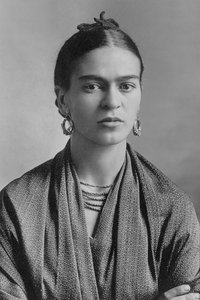
1907–1954, المكسيك
فريدا كاهلو
نشأة فنانة: فريدا كاهلو ورحلة نحو الذات في قلب مدينة مكسيكو سيتي، وتحديدًا في حي كويوكان الساحر، وُلدت ماجدالينا كارمن فريدا كاهلو إي كالدرون في السادس من يوليو عام 1907. كانت حياتها الأولى تجسيدًا لالتقاء ثقافات وأصول متباينة؛ فوالدها، غييرمو كاهلو، كان مصورًا ألمانيًا مكسيكيًا، بينما كانت والدتها، ماتيلد كالدرون، تحمل جذورًا تجمع بين الأصول المكسيكية الأصيلة والإرث الإسباني. هذا المزيج الثقافي الفريد في محيطها المنزلي صاغ الملامح الأولى لشخصية فريدا كاهلو، تلك الطفلة التي بدأت واقعها الجسدي يتغير تدريجيًا تحت وطأة المرض. وعند بلوغها سن السادسة، داهمها مرض شلل الأطفال، تاركًا في جسدها عرجًا دائمًا، وعلامة جسدية سترافقها طوال مراحل حياتها.
وأيضاً لـ فريدا كاهلو
 فريدا كاهلو - الفريدتين1939
 صورة ذاتية مع قلادة من الأشواك و طائر الطنان
 العمود المكسور1944
 الأيل الجريح1946

مقالات حول Moses
 Pain and Passion: The 25 Most Iconic Masterpieces by Frida KahloExplore 25 iconic Frida Kahlo masterpieces through their powerful stories. Discover the full collection online at OriginalUniqueArt.com.
 Navigating Symbolism & Sentiment: A Comprehensive Exploration of Boats in Art HistoryExplore the rich history of boats in art! Discover symbolism & style from ancient myths to Impressionist masterpieces. Expert insights for …
 Beyond Reality: Exploring Symbolism's Influence on Modern Art & Psychological ExpressionExplore the captivating world of Symbolism! Discover key artists, psychological themes & its lasting impact on modern art. Expert insights …