Baroque · 1611
Still Life with Nuts, Candy and Flowers (كلارا بيترز, 1611)
أبدع كلارا بيترز (1587–1657) في Still Life with Nuts, Candy and Flowers. يعود تاريخها إلى 1611. تنتمي إلى حركة Baroque. صُنعت من Oil On Panel. تُحفظ في متحف برادو في مدريد, إسبانيا. أبعادها 52 × 73 cm
- 1611
- Oil On Panel
- 52 × 73 cm
- متحف برادو, مدريد

 معاينة الحجم الواقعي

 لوحة زيتية مرسومة يدوياً
 مشاركة
 مشاركة
 بطاقة المعلومات


 تحميل الملف
 قطع مشابهة
 الأشعة السينية
 عرض شرائح
 الأسئلة والأجوبة

 الإحصائيات
Still Life with Nuts, Candy and Flowers باختصار
- العنوان
- Still Life with Nuts, Candy and Flowers
- الفنان
- كلارا بيترز (1587–1657)
- تاريخ ميلاد الفنان
- أنتويرب, بلجيكا
- التاريخ
- 1611
- الوسيط الفني
- Oil On Panel
- الأبعاد
- 52 × 73 cm
- أماكن العرض
- متحف برادو, مدريد, إسبانيا
- الحركة
- Baroque
- الحقبة الزمنية
- Early Modern
- الموضوع
- food, flowers, fruit, bowl, candlelight, luxury
ماذا يصور Still Life with Nuts, Candy and Flowers؟
A Sensory Feast: The Opulence of Clara Peeters
In the quiet intimacy of a seventeenth-century tabletop, Clara Peeters invites us into a world where the mundane is elevated to the magnificent. Still Life with Nuts, Candy and Flowers is not merely a depiction of food; it is a masterclass in sensory storytelling. As one gazes upon this 1611 masterpiece, the eye is immediately drawn to the lush, tactile abundance of the arrangement. Polished bowls overflow with an assortment of nuts, while delicate candies and vibrant fruits—apples and oranges—rest alongside elegant glassware. There is a profound sense of weight and texture here; one can almost feel the rough shell of a walnut against the smooth, cool surface of a silver platter or the delicate, ephemeral softness of a flower petal. Peeters captures a moment of suspended animation, where the sweetness of life is presented in all its colorful, decadent glory.
The painting serves as a breathtaking window into the Baroque era, a period defined by its dramatic flair and intense realism. Moving away from the rigid, geometric constraints of earlier Mannerist traditions, Peeters embraces an asymmetrical composition that feels organic and alive. This deliberate lack of strict symmetry creates a dynamic energy, guiding the viewer’s gaze in a wandering, exploratory path across the table. The interplay of light and shadow—the hallmark of the Baroque style—is utilized with surgical precision. Light dances across the sheen of polished metal and the translucent skin of fruit, while deep, velvety shadows provide a sense of depth and mystery, grounding the vibrant colors in a space that feels both tangible and atmospheric.
Technique and the Art of Observation
To behold this work is to witness the extraordinary technical prowess of a true pioneer. Executed with oil on panel, Peeters employed sophisticated glazing techniques to build layers of luminous color, allowing light to penetrate the paint and reflect from within, much like the natural glow of ripe fruit. Her ability to render different materials—the glint of a wine glass, the matte surface of a nut, the organic texture of a potted plant—demonstrates an obsessive devotion to verisimilitude. Every brushstroke is subservient to the goal of absolute realism, making this piece a triumph of observational skill. For the collector or interior designer, such a work offers more than just decoration; it provides a focal point of profound complexity that rewards prolonged contemplation.
Beyond its physical beauty, the painting whispers of deeper, more contemplative themes. In the tradition of the Dutch ontbijtjes (breakfast pieces), such arrangements often functioned as subtle meditations on the fleeting nature of pleasure and the passage of time. The abundance of the feast stands in a delicate balance with the inherent fragility of the flowers and the perishable nature of the food. This tension between abundance and decay creates an emotional resonance that transcends the centuries, offering a poignant reminder to cherish the sensory richness of the present moment. It is this marriage of exquisite craftsmanship and soulful depth that makes Peeters’ vision an enduring inspiration for those seeking to bring a sense of history, elegance, and narrative weight into a contemporary space.
أي متحف يضم Still Life with Nuts, Candy and Flowers؟
متحف برادو
مدريد, إسبانيا
تاريخ متحف برادو تضرب جذور متحف برادو في أعماق التاريخ، حيث ترتبط أصوله بالمجموعة الملكية الإسبانية التي تعود إلى القرن الثامن عشر. وما بدأ كفكرة طموحة لإنشاء خزانة لـ التاريخ الطبيعي في عهد الملك فرديناند السابع، تحول تدريجياً ليصبح ملاذاً مخصصاً لفنون الرسم والنحت. هذا التحول الجذري نقل المسعى من مجرد مشروع علمي إلى مستودع يضم أثمن كنوز التاج الإسباني.


صور عالية الدقة لـ Still Life with Nuts, Candy and Flowers

كلارا بيترز, Still Life with Nuts, Candy and Flowers (1611).
كلارا بيترز (1587–1657), Still Life with Nuts, Candy and Flowers, 1611, oil on panel, متحف برادو, مدريد, إسبانيا. ملك عام الصورة: OriginalUniqueArt.com.
أسئلة وإجابات حول Still Life with Nuts, Candy and Flowers
في أي متحف يُعرض العمل الأصلي "Still Life with Nuts, Candy and Flowers"؟
تُعرض لوحة "Still Life with Nuts, Candy and Flowers" للفنان كلارا بيترز في متحف برادو, مدريد, إسبانيا. ويشير وصف المتحف إلى العمل الأصلي، وليس إلى النسخ المطبوعة.
في أي عام أُنجز "Still Life with Nuts, Candy and Flowers"؟
أُبدع العمل الفني "Still Life with Nuts, Candy and Flowers" للفنان كلارا بيترز في عام 1611.
ما هي التقنية المستخدمة في تنفيذ "Still Life with Nuts, Candy and Flowers" للفنان كلارا بيترز؟
تعتمد التقنية المستخدمة في "Still Life with Nuts, Candy and Flowers" للفنان كلارا بيترز على Oil On Panel، وتهدف النسخ المطبوعة إلى محاكاة مظهر هذه التقنية.
ما هي أبعاد "Still Life with Nuts, Candy and Flowers" للفنان كلارا بيترز في الواقع؟
تبلغ أبعاد "Still Life with Nuts, Candy and Flowers" في شكلها الأصلي 52 x 73 cm. وتُعد الأبعاد الأصلية مرجعاً مفيداً عند اختيار حجم النسخة المطبوعة.
ماذا يصور "Still Life with Nuts, Candy and Flowers" للفنان كلارا بيترز؟
تتضمن الموضوعات المتضمنة في "Still Life with Nuts, Candy and Flowers" للفنان كلارا بيترز كلاً من food, flowers, fruit, bowl, candlelight, luxury, texture, composition، والتي تلخص مجتمعةً فحوى العمل الفني.
هل العمل "Still Life with Nuts, Candy and Flowers" ضمن الملكية العامة؟
حالة حقوق الطبع والنشر لـ "Still Life with Nuts, Candy and Flowers" للفنان كلارا بيترز: العمل يقع ضمن ملك عام - انتهت مدة حماية حقوق الطبع والنشر الخاصة به، وهو ما يحدد مدى إمكانية إعادة إنتاج الصورة بحرية.
من هو الفنان الذي يُنسب إليه العمل "Still Life with Nuts, Candy and Flowers"؟
الفنان الذي أبدع عمل "Still Life with Nuts, Candy and Flowers" هو كلارا بيترز، والعمل مُدرج تحت اسم كلارا بيترز.
إلى أي أسلوب ينتمي "Still Life with Nuts, Candy and Flowers"؟
تنتمي لوحة "Still Life with Nuts, Candy and Flowers" للفنان كلارا بيترز إلى حركة Baroque الفنية، ويضع هذا التصنيف العمل ضمن سياق مجموعة من الفنانين والأعمال الفنية ذات الصلة.
إلى أي مرحلة من مسيرة كلارا بيترز الفنية ينتمي العمل "Still Life with Nuts, Candy and Flowers"؟
تُمثل "Still Life with Nuts, Candy and Flowers" الحقبة الإبداعية لـ كلارا بيترز خلال فترة Mature Period.
عن الفنان، كلارا بيترز

1587–1657, بلجيكا
كلارا بيترز
كلارا بيترز: رائدة الطبيعة الصامتة الهولندية تتجلى كلارا بيترز (1594-ما بعد 1657) كشخصية استثنائية في تاريخ الفن الفلمنكي خلال القرن السابع عشر، فهي واحدة من أوائل الرسامات اللواتي نلن اعترافاً واسعاً في عصر النهضة الهولندي المزدهر. ورغم القيود المجتمعية الصارمة التي حدت من فرص النساء في الحصول على التدريب الفني أو الانضمام إلى النقابات المهنية، استطاعت بيترز أن تشق لنفسها مساراً مهنياً مذهلاً، تاركةً وراءها إرثاً فنياً يتميز بدقة متناهية، واستراتيجيات تكوينية مبتكرة، وشغف عميق بتجسيد ملامح وتفاصيل الحياة اليومية، ولا سيما الطعام. ولا يزال إرثها يلهم الباحثين والفنانين على حد سواء، وهم يحاولون فك رموز هويتها، وطبيعة تدريبها، والغموض الذي يكتنف نتاجها الفني. النشأة والعائلة التدريب والأسلوب الفني الأعمال البارزة وحجم النتاج الفني التأثير والإرث الجدل المستمر: النسب والأصالة النشأة والعائلة وُلدت كلارا بيترز في مدينة أنتويرب حوالي عام 1587، ورغم أن المؤرخين لا يزالون يتجادلون حول التاريخ الدقيق لميلادها، إلا أن جذورها تمتد إلى عائلة غارقة في التقاليد الفنية.
أعمال أخرى لـ كلارا بيترز
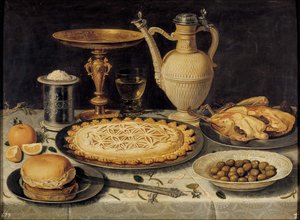 Table with Orange, Olives and Pie1611
 Still Life with Cheeses, Artichoke, and Cherries1625
 Madonna And Child Within A Floral Wreath1621
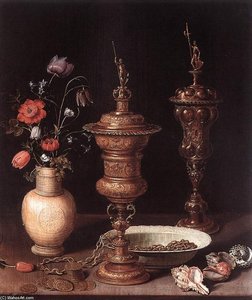 Still-Life with Flowers and Goblets1612

مقالات حول Still Life with Nuts, Candy and Flowers
 Luminous Vessels: The Transcendent Art of the Bottle in Impressionist Still LifeExplore how Impressionist masters captured light through glass and bottles. Discover the magic of light and texture today.
 18th century Dutch paintersJan van Huysum completed Flowers and Fruit in 1723. Compare his botanical precision with the maritime works of Willem van de Velde the Youn…
 Master of Abundance: The Top 25 Essential Artworks by Frans SnydersBorn in 1579, Snyders trained under Pieter Brueghel the Younger. Count the twenty-five works that define his Baroque mastery of texture and…