Aztec Empire
Flute (إمبراطورية الأزتيك)
أبدع إمبراطورية الأزتيك (1300–1521) في Flute. تنتمي إلى حركة Aztec Empire. صُنعت من Acrylic On Canvas. تُحفظ في متحف المتروبوليتان للفنون في نيويورك, الولايات المتحدة الأمريكية.
- Acrylic On Canvas
- متحف المتروبوليتان للفنون, نيويورك

 معاينة الحجم الواقعي

 لوحة زيتية مرسومة يدوياً
 مشاركة
 مشاركة
 دليل


 تحميل الملف
 قطع مشابهة
 الأشعة السينية
 عرض شرائح
 الأسئلة والأجوبة

 الإحصائيات
Flute: أهم المعلومات
- العنوان
- Flute
- الفنان
- إمبراطورية الأزتيك (1300–1521)
- تاريخ ميلاد الفنان
- Tenochtitlan, Mexico
- الوسيط الفني
- Acrylic On Canvas
- أين يمكن مشاهدتها
- متحف المتروبوليتان للفنون, نيويورك, الولايات المتحدة الأمريكية
- الحركة
- Aztec Empire
- الموضوع
- flute, aztec, ancient, culture, symbolism, mesoamerica
ماذا يصور Flute؟
The Echoing Voice of Stone: An Exploration of the Aztec Flute
Within the vast tapestry of Aztec artistry lies a deceptively simple instrument – the flute, often referred to as *uilacapitztli* (meaning “flute-head”). More than just a musical device, this clay vessel, meticulously crafted and imbued with symbolic resonance, offers a poignant window into the spiritual beliefs, artistic traditions, and cultural values of one of Mesoamerica’s most sophisticated civilizations. Recovered from archaeological sites across Mexico, these flutes – often adorned with depictions of animals, deities, or geometric patterns – are not merely relics of the past; they are tangible echoes of a vibrant society that flourished for centuries before succumbing to Spanish conquest.
The creation of an *uilacapitztli* was a deliberate and carefully considered process. Typically fashioned from unfired clay, these flutes were meticulously shaped by hand, reflecting a remarkable level of skill and artistry. The most common form is a cylindrical vessel with a distinctive bird-shaped head – the ‘head’ representing the feathered serpent Quetzalcoatl, a central deity associated with music, knowledge, and creation. Smaller versions, often resembling frogs or turtles, were also produced, suggesting their use in children's toys or as ritual objects for specific ceremonies. The intricate carvings that adorn these flutes – stylized representations of jaguars, serpents, birds, and geometric designs – are not merely decorative; they carry profound symbolic meaning, reflecting the Aztec worldview and their connection to the natural world.
A Symphony of Symbolism
The symbolism embedded within each *uilacapitztli* is a rich testament to Aztec cosmology. The bird-shaped head, prominently featured on many instruments, directly references Quetzalcoatl, whose association with music and the wind suggests a connection between sound, spirituality, and communication with the divine. Animal motifs – particularly jaguars and serpents – were frequently linked to powerful deities and represented concepts such as strength, fertility, and transformation. Geometric patterns, often repeating spirals or zigzags, may have symbolized cycles of time, cosmic order, or the interconnectedness of all things. The choice of animal or symbol likely depended on the specific purpose for which the flute was intended – whether for ceremonial use, entertainment, or even as a gift.
Furthermore, the clay itself held significance. Clay was considered a sacred material, representing earth and fertility—a fundamental element in Aztec beliefs. The act of shaping the clay into an instrument was therefore imbued with ritualistic importance, transforming a mundane substance into a conduit for spiritual expression. It’s believed that these flutes were not simply played; they were *sung* – their sounds carefully controlled to evoke specific emotions and connect with the spirit world.
A Legacy in Sound and Form
The *uilacapitztli* stands as a powerful reminder of the Aztec Empire’s artistic sophistication and its deep connection to spirituality. While much remains unknown about the precise melodies produced by these instruments, their enduring presence speaks volumes about the importance of music within Aztec society. These flutes were not merely objects; they were vessels for storytelling, ritual performance, and spiritual communion.
Today, high-quality reproductions of these ancient instruments are available, offering a unique opportunity to experience the beauty and artistry of Aztec craftsmanship. When selecting a reproduction, consider the materials used – authentic clay or durable ceramics that capture the texture and feel of the original. The level of detail in the carvings will also reflect the quality of the piece, ensuring it accurately represents the intricate symbolism of the ancient *uilacapitztli*. Owning such a reproduction is not simply acquiring an artifact; it’s embracing a tangible link to a remarkable civilization and allowing its resonant voice to echo through time.
أي متحف يضم Flute؟
متحف المتروبوليتان للفنون
نيويورك, الولايات المتحدة الأمريكية
أصول وتاريخ متحف المتروبوليتان للفنون بدأت رحلة متحف المتروبوليتان للفنون من رؤية مشتركة صاغتها مجموعة من رجال الأعمال والممولين، جنباً إلى جنب مع نخبة من الفنانين والمفكرين الرواد. وعقب تأسيسه رسمياً في عام 1870، شرعت المؤسسة في البحث عن مستقر دائم يحتضن مقتنياتها المتنامية؛ وقبل أن يستقر في موقعه الحالي، اتخذ المتحف من عزبة "دوغلاس مانشن" في شارع 14 غرباً مقراً مؤقتاً له. كانت تلك الحقبة المبكرة بمثابة مرحلة من التكوين الهادئ، حيث بدأت ملامح المجموعة الفنية تتشكل وتتبلور بفضل التفاني والإخلاص الذي أبداه المؤسسون.


Flute بدقة عالية

إمبراطورية الأزتيك, Flute, متحف المتروبوليتان للفنون. ملك عام
يقوم خبير رقمي بمطابقة الألوان مع اللوحة الأصلية وإعادة ضبط الملف، مع الحفاظ على دقة لمسات فرشاة الفنان.
شراء الصورة عالية الدقةأسئلة حول Flute
من أين يأتي زوار "Flute" للفنان إمبراطورية الأزتيك؟
توجد صفحة إحصائيات الزيارات خاصة بـ "Flute"، تعرض مخططاً للزيارات الشهرية لهذا العمل الفني ولأعمال الفنان الأخرى، مع تفصيل حسب الدولة واللغة.
من هو الفنان الذي يُنسب إليه العمل "Flute"؟
يُنسب العمل "Flute" إلى إمبراطورية الأزتيك.
ما هي الأسماء المستعارة أو الأسماء الأخرى التي يُعرف بها إمبراطورية الأزتيك؟
يُعرف إمبراطورية الأزتيك أيضاً بأسماء أخرى هي فن الأزتيك, شعب الأزتيك.
ما الذي يضفيه "Flute" للفنان إمبراطورية الأزتيك على أجواء التصميم الداخلي؟
بأجوائه التي تتسم بـ Calm، يُقترح وضع لوحة "Flute" في Living Room.
ما هي إعدادات الطباعة المقترحة لـ "Flute" للفنان إمبراطورية الأزتيك؟
بالنسبة لـ "Flute"، يُنصح بالطباعة بحجم Medium وبوضعية Landscape.
ما هي الأسباب الكامنة وراء الوضع القانوني لحقوق الطبع والنشر لـ "Flute" للفنان إمبراطورية الأزتيك؟
يُعد عمل "Flute" للفنان إمبراطورية الأزتيك من الأعمال التي تندرج ضمن ملك عام - انتهت مدة حماية حقوق الطبع والنشر الخاصة به؛ حيث تُحتسب مدة حماية حقوق الطبع والنشر بدءاً من تاريخ وفاة الفنان في عام 1521.
ما هو المكان الأنسب لتعليق نسخة من "Flute" للفنان إمبراطورية الأزتيك؟
يُنصح بتنسيق Landscape لعمل "Flute" للفنان إمبراطورية الأزتيك في Living Room؛ حيث يساهم كل من التنسيق والمساحة معاً في تحديد الطريقة الأمثل لتعليق النسخة المطبوعة.
هل يمكن إعادة إنتاج "Flute" للفنان إمبراطورية الأزتيك، الموجود في متحف المتروبوليتان للفنون، بشكل قانوني؟
النسخة الأصلية من "Flute" محفوظة في متحف المتروبوليتان للفنون، والعمل يندرج ضمن ملك عام - انتهت مدة حماية حقوق الطبع والنشر الخاصة به.
ما هي لوحة الألوان المستخدمة في "Flute"؟
تتميز ألوان "Flute" بلوحة ألوان من نوع Pastels، وهو تصنيف يبرز عائلات الألوان المهيمنة في العمل.
عن الفنان، إمبراطورية الأزتيك

1300–1521, Mexico
إمبراطورية الأزتيك
أصداء الحجر: استكشاف فن وإرث إمبراطورية الأزتك يستحضر اسم "الأزتك" – المشتق من كلمة الناواتل ātl-ce-tlācati–tlān، والتي تعني "شعب الأشكال المتعددة" – صوراً لإمبراطورية شاسعة ومعقدة هيمنت على أمريكا الوسطى لقرون طويلة. ولم يكن الأزتك مجرد محاربين وغزاة، بل كانوا أفراداً فنانين بعمق، حيث نسجوا الجمال المعقد في كل جانب من جوانب حياتهم؛ من العمارة الصرحية إلى أعمال الريش الرقيقة، ومن الطقوس المقدسة إلى الأدوات اليومية. لم يكن فنهم مجرد زينة، بل كان لغة نابضة بالحياة، تنقل المعتقدات الدలకు، والقوة السياسية، والسرديات التاريخية، والتراتب الاجتماعي داخل مجتمع اتسم بالهيكلية الصارمة والابتكار المذهل في آن واحد. ومع بزوغ فجر القرن الرابع عشر في تينوتشتيتلان، قلب إمبراطورية الأزتك، كانت التقاليد الفنية للأزتك متجذرة بعمق في موروثات حضارات أمريكا الوسطى السابقة.
وأيضاً لـ إمبراطورية الأزتيك
 Mosaic of a Double-headed Serpent1521
 Head from a Figure, Xochipilli Macuilxochitl1521
 Figure1521
 Serpent Labret with Articulated Tongue

مقالات حول Flute
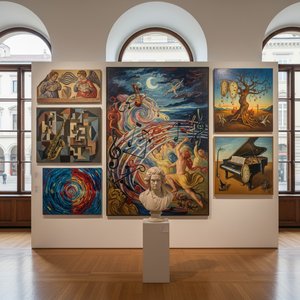 Harmonies on Canvas: Exploring the Visual Representation of Music in Art HistoryExplore the fascinating history of music's visual representation in art! From ancient symbolism to modern abstraction, discover how artists…
 Feathered Visions: A Historical & Artistic Exploration of Birds in PaintingExplore the rich history of birds in painting! Discover symbolism, artistic movements & master artists like Audubon. High-quality reproduct…
 25 Must-See Masterpieces at The Met: A Journey Through Art HistoryExplore 25 iconic treasures from The Met, from Pollock to Rembrandt. Discover museum-quality art on OriginalUniqueArt.com.