Baroque Painting · 1601
Rinaldo and Armida (أنيبيل كاراتشي, 1601)
أبدع أنيبيل كاراتشي (1560–1609) في Rinaldo and Armida. يعود تاريخها إلى 1601. تنتمي إلى حركة Baroque Painting. تُحفظ في متحف كابوديمونتي في نابولي, إيطاليا.

 معاينة الحجم الواقعي

 لوحة زيتية مرسومة يدوياً
 مشاركة
 مشاركة
 بطاقة المعلومات


 تحميل الملف
 قطع مشابهة
 الأشعة السينية
 عرض شرائح
 الأسئلة والأجوبة

 الإحصائيات
Rinaldo and Armida باختصار
- العنوان
- Rinaldo and Armida
- الفنان
- أنيبيل كاراتشي (1560–1609)
- تاريخ ميلاد الفنان
- بولونيا, إيطاليا
- التاريخ
- 1601
- أماكن العرض
- متحف كابوديمونتي, نابولي, إيطاليا
- الحركة
- Baroque Painting
- الموضوع
- rinaldo, armida, love, romance, saracen, tasso
ماذا يصور Rinaldo and Armida؟
The Genesis of a Dramatic Narrative
Annibale Carracci’s “Rinaldo and Armida,” painted in 1601, isn't merely a depiction of a legendary tale; it’s a vibrant distillation of the late Renaissance’s fascination with classical mythology interwoven with burgeoning Baroque drama. Commissioned for the Palazzo Farnese in Rome, this monumental canvas embodies a pivotal moment within Tasso’s epic poem “Rinaldo,” a work that captivated audiences with its blend of chivalry, love, and perilous adventure. Carracci, along with his brother Agostino and cousin Ludovico, were tasked with transforming the complex narrative into a series of grand frescoes, aiming to revive the grandeur of High Renaissance ideals while injecting a palpable sense of dynamism – a hallmark of the emerging Baroque style. The painting itself is a testament to this ambition, radiating an energy that pulls the viewer directly into the heart of the scene.
A Symphony of Color and Movement
Carracci’s masterful technique is immediately apparent in the rich, layered application of paint. He employs a sophisticated *sfumato* – a subtle blurring of lines and edges – to create an atmosphere of both immediacy and depth. The figures are not rendered with sharp, precise outlines but rather emerge from a haze of color, lending them a sense of ethereal beauty and vulnerability. Notice the dramatic use of light; it’s not uniformly distributed but strategically employed to highlight key elements—Rinaldo's heroic stance, Armida’s sorrowful gaze, and the swirling vortex of the enchanted garden. The palette is dominated by warm reds, golds, and deep blues, creating a visual feast that mirrors the passionate emotions at play. The artist’s meticulous attention to detail extends to the intricate folds of their garments, the textures of the foliage, and even the subtle reflections in the water – all contributing to an astonishingly realistic effect for its time.
Symbolism Woven into a Romantic Scene
Beyond the immediate narrative, “Rinaldo and Armida” is laden with symbolic meaning. The scene itself—a passionate embrace amidst a fantastical garden—represents the precarious balance between love and duty, desire and obligation. Armida’s enchanted realm, filled with exotic birds and shimmering foliage, symbolizes her seductive power and the allure of escape from the constraints of war and responsibility. Rinaldo's struggle to resist her charms speaks to the internal conflict faced by heroes caught between their romantic passions and their sworn oaths. The presence of the two birds—one perched near the top left corner, the other towards the center-right—adds another layer of interpretation, perhaps representing messengers or omens, subtly guiding the viewer’s eye through the composition. The swords held by Rinaldo and his companions are not merely weapons but symbols of their commitment to Christian ideals and the defense of Jerusalem.
A Bridge Between Eras
“Rinaldo and Armida” stands as a crucial link between the High Renaissance’s emphasis on harmony and balance and the Baroque’s embrace of drama, emotion, and movement. Carracci skillfully synthesizes these influences, creating an artwork that is both formally sophisticated and emotionally resonant. His work profoundly impacted subsequent generations of artists, particularly influencing the development of illusionistic painting in Rome. Studying this masterpiece offers a valuable insight into the artistic currents of its time—a period of intense intellectual and creative ferment that ultimately shaped the course of Western art history. It’s a testament to Carracci's ability to capture not just a story but the very essence of human experience, rendered with breathtaking skill and profound beauty.
أي متحف يضم Rinaldo and Armida؟
متحف كابوديمونتي
نابولي, إيطاليا
تاريخ متحف كابوديمونتي تضرب جذور متحف كابوديمونتي في أعماق القرن الثامن عشر، حيث بدأت القصة في عام 1738، حين أمر الملك تشارلز السابع، ملك نابولي وصقلية، ببناء كوخ صيد متواضع فوق تلة كابوديمونتي الساحرة. ومع مرور الوقت، بدأت ملامح هذا الملاذ تتغير وتتوسع، ولم يعد مجرد مكان للترويح عن النفس، بل تحول إلى ضرورة ملكية ملحة؛ فقد كان الملك بحاجة إلى قصر مهيب يليق بمكانة "مجموعة فارنيزي" الضخمة التي ورثها عن والدته، إليزابيتا فارنيزي. هذا الاحتياج الفني والتاريخي هو ما حول ذلك الملاذ الموسمي إلى مقر دائم للحضور الملكي، ليصبح صرحاً يجسد عظمة العصور.


صور عالية الدقة لـ Rinaldo and Armida

أنيبيل كاراتشي, Rinaldo and Armida (1601), متحف كابوديمونتي. ملك عام
أسئلة وإجابات حول Rinaldo and Armida
في أي متحف يُعرض العمل الأصلي "Rinaldo and Armida"؟
يمكنكم مشاهدة العمل الأصلي "Rinaldo and Armida" في متحف كابوديمونتي, نابولي, إيطاليا.
في أي عام أُبدعت "Rinaldo and Armida" للفنان أنيبيل كاراتشي؟
أُبدع العمل الفني "Rinaldo and Armida" للفنان أنيبيل كاراتشي في عام 1601.
ماذا يصور "Rinaldo and Armida"؟
تُصور "Rinaldo and Armida" للفنان أنيبيل كاراتشي: rinaldo, armida, love, romance, saracen, tasso, italy, 1601.
هل "Rinaldo and Armida" للفنان أنيبيل كاراتشي ضمن الملكية العامة؟
أما بخصوص حقوق الطبع والنشر، فإن "Rinaldo and Armida" تندرج ضمن ملك عام - انتهت مدة حماية حقوق الطبع والنشر الخاصة به.
من هو الفنان الذي أبدع "Rinaldo and Armida"؟
تم إبداع "Rinaldo and Armida" بواسطة أنيبيل كاراتشي. وتصف المعلومات الواردة في هذه الصفحة العمل الأصلي لـ أنيبيل كاراتشي.
إلى أي تيار فني تنتمي "Rinaldo and Armida" للفنان أنيبيل كاراتشي؟
ينتمي العمل "Rinaldo and Armida" إلى مدرسة Baroque Painting، وهي المدرسة التي تمثل التقليد الفني الذي يندرج ضمنه هذا العمل.
إلى أي مرحلة من مراحل تطور أنيبيل كاراتشي ينتمي العمل "Rinaldo and Armida"؟
تُمثل "Rinaldo and Armida" الحقبة الإبداعية لـ أنيبيل كاراتشي خلال فترة Late Renaissance.
كم كان عمر أنيبيل كاراتشي عند إبداع "Rinaldo and Armida" في عام 1601؟
عندما أُبدع العمل "Rinaldo and Armida" في عام 1601، كان عمر الفنان أنيبيل كاراتشي - المولود في 1560 - هو 41 عاماً.
ما سبب الوضع الحالي لحقوق الطبع والنشر لـ "Rinaldo and Armida"؟
تعتمد حالة حقوق الطبع والنشر لـ "Rinaldo and Armida" - ملك عام - انتهت مدة حماية حقوق الطبع والنشر الخاصة به - على تاريخ وفاة الفنان في 1609.
عن الفنان، أنيبيل كاراتشي
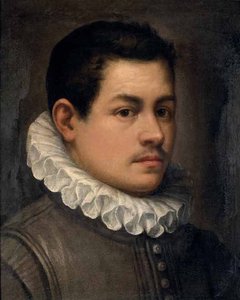
1560–1609, إيطاليا
أنيبيل كاراتشي
الحياة المبكرة والجذور البولونية ولد أنيبالي كارّاتشي في بولونيا في الثالث من نوفمبر عام 1560، وترعرع في عائلة متجذرة بعمق في التقاليد الفنية. من المرجح أن تدريبه الأولي قد تم في ورشة العمل العائلية، مما وضع الأساس لمسيرة مهنية ستعيد تشكيل مشهد الرسم الإيطالي بشكل عميق. كانت بولونيا في ذلك الوقت مركزًا نابضًا بالحياة للنشاط الفكري والفني، لكنها شعرت ببعض الانفصال عن التيارات المهيمنة القادمة من روما والبندقية. أثار هذا الشعور بالاقليم رغبة بين مجموعة من الفنانين الشباب - أنيبالي وأخوه أغوستينو وابن عمه لودوفيكو - في شق طريق جديد، طريق يهدف إلى إحياء الفن الإيطالي من خلال النظر إلى أساتذة عصر النهضة العليا مع تبني نهج أكثر واقعية.
أعمال أخرى لـ أنيبيل كاراتشي
 شمس آكل الفاصوليا
 اختيار هرقل
 منظر نهر1589
 استهزاء بالمسيح1596

مقالات حول Rinaldo and Armida
 Dutch Baroque Masters: 10 Paintings That Shaped an Era | OriginalUniqueArtJourney through the Golden Age with our guide to the Top 10 Dutch Baroque masterpieces! Explore iconic paintings by Rembrandt, Vermeer & Fr…
 Annibale Carracci: Bridging Renaissance Ideals & Baroque InnovationExplore the life & art of Annibale Carracci, a pivotal figure bridging Renaissance ideals with Baroque innovation. Discover his masterpiece…
 Giorgione: Enigma and Innovation in Early Venetian Renaissance PaintingExplore the enigmatic world of Giorgione, a pivotal figure in the Venetian Renaissance. Discover his innovative techniques, iconic painting…