School of Paris · 1928
Rita van Leer (أندريه ديرين, 1928)
أبدع أندريه ديرين (1880–1954) في Rita van Leer. يعود تاريخها إلى 1928. تنتمي إلى حركة School of Paris. صُنعت من Oil On Panel. أبعادها 41 × 34 cm
- 1928
- Oil On Panel
- 41 × 34 cm

 معاينة الحجم الواقعي

 لوحة زيتية مرسومة يدوياً
 مشاركة
 مشاركة
 ورقة الحقائق


 تحميل الملف
 قطع مشابهة
 الأشعة السينية
 عرض شرائح
 الأسئلة والأجوبة

 الإحصائيات
Rita van Leer باختصار
- العنوان
- Rita van Leer
- الفنان
- أندريه ديرين (1880–1954)
- تاريخ ميلاد الفنان
- شاتو, فرنسا
- التاريخ
- 1928
- الوسيط الفني
- Oil On Panel
- الأبعاد
- 41 × 34 cm
- الحركة
- School of Paris
- الحقبة
- Modern
- الموضوع
- woman, portrait, face, shoulders, gray, black
ماذا يصور Rita van Leer؟
The Portrait of Rita van Leer
In this intimate portrait, André Derain turns his attention to Rita van Leer. Created about 1928, the work moves away from the loud colorism of his earlier years, focusing instead on the quiet presence of the sitter. There is a certain stillness here, a moment captured in a way that prioritizes her character over a mere photographic likeness. She meets the viewer with a directness that feels both personal and somewhat guarded.
André Derain captures the subject with an expressive likeness, favoring the essence of her personality over rigid, academic precision. The portrait focuses on the head and shoulders, stripping away unnecessary distractions to ensure the viewer's attention remains fixed upon her gaze. It is a study of a person rather than a mere likeness, offering a glimpse into a specific, fleeting moment of her life.
Composition and Visual Elements
The composition is centered entirely upon the woman’s face, which occupies the majority of the frame. Presented in a close-up view, the subject's head and shoulders emerge from a dark, minimalist background. This lack of environmental detail ensures that the viewer's attention remains fixed on the sitter. Her head is slightly tilted, a subtle movement that introduces a sense of dynamism to an otherwise still moment.
There is a directness in her gaze, as she looks straight toward the viewer. This connection is established through the careful placement of her features and the use of tonal variations rather than sharp, photographic lines. Light and shadow work together to define the contours of her face, creating a sense of three-dimensionality through the layering of different shades.
Technique and Artistic Style
The work is characteristic of early modern art, leaning into the expressive possibilities of Fauvism and Expressionism. Rather than seeking photographic accuracy, the artist employs a loose and gestural application of paint to capture the sitter. There is a palpable sense of immediacy here, driven by the visible brushstrokes that define the form. This approach prioritizes the emotional essence of the subject over a strictly realistic representation.
One notices how the artist uses short, choppy strokes to build up the features of the face and the contours of the hair. This method creates a textured, almost rugged surface. The use of thick impasto is particularly evident, providing a physical depth that makes the paint feel sculptural. These heavy applications of pigment allow the light to catch the ridges of the brushwork, adding a sense of movement to the portrait.
Materials and Physical Properties
This work is executed in oil paint, applied with a deliberate and textured hand. The artist has worked upon a surface of either canvas or panel, a choice that supports the heavy impasto visible throughout the piece. Such tactile application allows the paint to hold its form, creating a physical presence that catches the light in subtle ways. The dimensions of the work are 41 x 34 cm, a scale that invites a close, intimate inspection of the surface.
The palette is notably restrained, eschewing the riotous color often associated with the artist's earlier years. Instead, we find a monochromatic arrangement of gray, black, and white. These tones are layered to build depth and define the contours of the subject. The interplay of light and shadow is achieved through these varying shades, providing a sense of volume without the need for chromatic intensity. It is a quiet, disciplined approach to the medium.
صور عالية الدقة لـ Rita van Leer
أندريه ديرين, Rita van Leer (1928). ملك عام
أسئلة وإجابات حول Rita van Leer
في أي عام أُبدع العمل "Rita van Leer" للفنان أندريه ديرين؟
تاريخ إبداع "Rita van Leer" للفنان أندريه ديرين يعود إلى عام 1928.
ما هي التقنية المستخدمة في تنفيذ "Rita van Leer" للفنان أندريه ديرين؟
تعتمد التقنية المستخدمة في "Rita van Leer" للفنان أندريه ديرين على Oil On Panel، وتهدف النسخ المطبوعة إلى محاكاة مظهر هذه التقنية.
ما هي أبعاد العمل الأصلي "Rita van Leer" للفنان أندريه ديرين؟
أبعاد العمل الفني المسجلة لـ "Rita van Leer" للفنان أندريه ديرين هي 41 x 34 cm. يمكن طلب نسخ مطابقة بأحجام أخرى مع الحفاظ على نفس النسب.
ماذا يصور "Rita van Leer" للفنان أندريه ديرين؟
تتمثل موضوعات "Rita van Leer" في woman, portrait, face, shoulders, gray, black, white.
هل العمل "Rita van Leer" ضمن الملكية العامة؟
حالة حقوق الطبع والنشر لـ "Rita van Leer" للفنان أندريه ديرين: العمل يقع ضمن ملك عام - انتهت مدة حماية حقوق الطبع والنشر الخاصة به، وهو ما يحدد مدى إمكانية إعادة إنتاج الصورة بحرية.
من أبدع "Rita van Leer"؟
الفنان الذي أبدع عمل "Rita van Leer" هو أندريه ديرين، والعمل مُدرج تحت اسم أندريه ديرين.
إلى أي تيار فني تنتمي "Rita van Leer" للفنان أندريه ديرين؟
تنتمي لوحة "Rita van Leer" للفنان أندريه ديرين إلى حركة School of Paris الفنية، ويضع هذا التصنيف العمل ضمن سياق مجموعة من الفنانين والأعمال الفنية ذات الصلة.
إلى أي مرحلة من مسيرة أندريه ديرين الفنية ينتمي العمل "Rita van Leer"؟
تُمثل "Rita van Leer" الحقبة الإبداعية لـ أندريه ديرين خلال فترة Late Period.
كم كان عمر أندريه ديرين عند إبداع العمل "Rita van Leer"؟
أبدع أندريه ديرين لوحة "Rita van Leer" وهو في سن 48. وُلد الفنان في 1880 ويعود تاريخ هذا العمل إلى 1928.
عن الفنان، أندريه ديرين
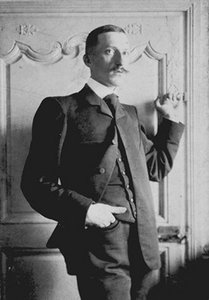
1880–1954, فرنسا
أندريه ديرين
الحياة المبكرة، العائلة والتدريب في عام 1880، أبصر أندريه ديران النور في شاتو، تلك القرية الهادئة الرابضة في منطقة إيفلين بفرنسا. تشكلت سنواته الأولى تحت تأثير المناظر الطبيعية الساكنة في منطقة إيل دو فرانس، حيث بدأت بذور الفضول الفطري تجاه العالم المحيط تضرب جذورها في وجدانه. وبحلول عام 1895، كان قد بدأ بالفعل رحلة التعلم الذاتي، ساعياً لفهم العالم البصري من خلال عينيه الخاصة بعيداً عن قيود التعليم الأكاديمي الصارم. سمحت له هذه الفترة من الاستكشاف الحر بتطوير رؤية فنية شخصية وفريدة، قبل أن تفرض عليه الأكاديميات قواعدها الصارمة.
وأيضاً لـ أندريه ديرين
 المستحمات1907
 London Bridge1906
 Charing Cross from sw1906
 Landscape at L'Estaque1906
مقالات حول Rita van Leer
 Fauvism vs German Expressionism: Distinguishing Color and EmotionMaster the differences between Fauvism and German Expressionism through expert analysis. Learn to decode the emotion behind the color today.
 Dutch artworks of the 1860s1860s Dutch masterpieces by Vincent van Gogh, Gerard Bilders, and August Allebé. View the full collection online at OriginalUniqueArt.com.
 The Silent Dialogue: Examining Intimacy and Psychological Depth in Classical PortraitureExplore the psychological depth of classical portraiture through masters like Rembrandt and Vermeer. Discover the power of the gaze today.