Art Nouveau
(86) (ألفونس دس موتشا)
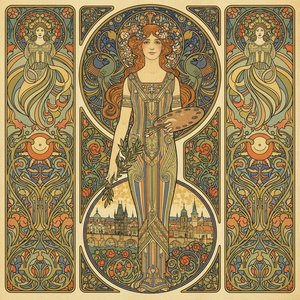
أبدع ألفونس دس موتشا (1860–1939) في (86). تنتمي إلى حركة Art Nouveau. صُنعت من Acrylic On Canvas.
- Acrylic On Canvas

 معاينة الحجم الواقعي

 لوحة زيتية مرسومة يدوياً
 مشاركة
 مشاركة
 ورقة الحقائق


 تحميل الملف
 قطع مشابهة
 الأشعة السينية
 عرض شرائح
 الأسئلة والأجوبة

 الإحصائيات
(86) باختصار
- العنوان
- (86)
- الفنان
- ألفونس دس موتشا (1860–1939)
- تاريخ ميلاد الفنان
- برنو, جمهورية التشيك
- الوسيط الفني
- Acrylic On Canvas
- الحركة
- Art Nouveau
- الحقبة
- 19th Century
ماذا يصور (86)؟
Alphonse Mucha’s “86”: A Symphony of Art Nouveau
“86,” a captivating painting by Alphonse Maria Mucha, presents a scene brimming with feminine grace and vibrant energy – a quintessential embodiment of the artist's signature Art Nouveau style. This work, likely created around the early 20th century when Mucha was at the height of his fame, immediately draws the eye with its bold color palette: a luminous yellow background punctuated by striking red accents that lend an almost theatrical intensity to the composition. The painting depicts a group of women, their figures rendered in flowing robes and adorned with elaborate floral headdresses – a recurring motif in Mucha’s oeuvre – suggesting a scene of leisure, perhaps a gathering of friends or a salon setting. Scattered throughout are several chairs, strategically placed to guide the viewer's eye and contribute to the overall sense of movement and dynamism.
The Masterstroke of Art Nouveau
Alphonse Mucha’s artistic legacy rests firmly within the framework of Art Nouveau, a style that rejected academic traditions in favor of organic forms, flowing lines, and an emphasis on beauty. Influenced by artists like Pierre-Auguste Renoir and Gustave Moreau, Mucha developed his own distinctive approach – one characterized by idealized female figures, intricate floral designs, and a deliberate sense of movement. “86” exemplifies these qualities perfectly. Note the sinuous curves of the women’s garments, mirroring the natural world; the delicate rendering of the flowers in their hair, each petal meticulously crafted with an almost obsessive attention to detail; and the overall feeling that the scene is perpetually caught in a graceful, flowing moment. Mucha's work was not merely decorative; it aimed to evoke a sense of wonder and enchantment, transporting the viewer to a realm of beauty and serenity.
Symbolism and Narrative
While the precise narrative of “86” remains somewhat open to interpretation, several symbolic elements contribute to its rich visual language. The abundance of women suggests themes of community, friendship, and perhaps even fertility – common motifs within Art Nouveau. The bird, subtly integrated into the composition, could represent freedom, joy, or a connection to nature. Mucha frequently employed such subtle symbols to add layers of meaning to his work, inviting viewers to engage in a deeper contemplation of its subject matter. The painting’s overall atmosphere is one of lively celebration and feminine power, reflecting Mucha's fascination with portraying idealized female beauty.
Hand-Painted Reproduction: Bringing Mucha to Life
OriginalUniqueArt offers a meticulously hand-painted reproduction of “86,” capturing the essence of Mucha’s original masterpiece. Each reproduction is created by skilled artisans, employing traditional oil painting techniques to faithfully recreate the vibrant colors and intricate details of the artwork. The result is a stunning piece of art that will enhance any interior space while celebrating the enduring legacy of Alphonse Mucha. Available in various sizes, this reproduction provides an accessible way to own a significant work of Art Nouveau history. Order yours today and experience the magic of Mucha’s vision firsthand.
صور عالية الدقة لـ (86)
ألفونس دس موتشا, (86). ملك عام
أسئلة وإجابات حول (86)
ما هي التقنية المستخدمة في تنفيذ "(86)" للفنان ألفونس دس موتشا؟
استخدم ألفونس دس موتشا تقنية Acrylic On Canvas في عمل "(86)"، وهي التقنية التي تحدد الطبيعة المادية للعمل الأصلي.
هل "(86)" للفنان ألفونس دس موتشا ضمن الملكية العامة؟
حالة حقوق الطبع والنشر لـ "(86)" للفنان ألفونس دس موتشا: العمل يقع ضمن ملك عام - انتهت مدة حماية حقوق الطبع والنشر الخاصة به، وهو ما يحدد مدى إمكانية إعادة إنتاج الصورة بحرية.
من أبدع "(86)"؟
يُنسب العمل "(86)" إلى ألفونس دس موتشا.
إلى أي أسلوب ينتمي "(86)"؟
ينتمي العمل "(86)" إلى مدرسة Art Nouveau، وهي المدرسة التي تمثل التقليد الفني الذي يندرج ضمنه هذا العمل.
هل العمل "(86)" للفنان ألفونس دس موتشا ضمن الملكية العامة، ولماذا؟
يُعد عمل "(86)" للفنان ألفونس دس موتشا من الأعمال التي تندرج ضمن ملك عام - انتهت مدة حماية حقوق الطبع والنشر الخاصة به؛ حيث تُحتسب مدة حماية حقوق الطبع والنشر بدءاً من تاريخ وفاة الفنان في عام 1939.
عن الفنان، ألفونس دس موتشا

1860–1939, جمهورية التشيك
ألفونس دس موتشا
الحياة المبكرة والتعليم وُلد: في 15 يوليو 1860، في إيفانيتشيتسه، مورافيا (الآن جزء من جمهورية التشيك). أظهر موهبة فنية منذ صغره. درس في أكاديمية الفنون الجميلة في براغ لكنه شعر بخيبة أمل من الأساليب التقليدية. انتقل إلى باريس عام 1887 لمتابعة أسلوبه الخاص.
وأيضاً لـ ألفونس دس موتشا
 The Moon
 Nude
 The Apotheosis of the Slavs1926
 Stained-Glass Window in St. Vitus Cathedral
مقالات حول (86)
 Alphonse Mucha: A Comprehensive Exploration of Art Nouveau's Master of Decorative SymbolismExplore the life & art of Alphonse Mucha, master of Art Nouveau! Discover his iconic posters, stunning illustrations, and the monumental Sl…
 أروع 25 لوحة لرينوار: رحلة في عالم الضوء والجمال | OriginalUniqueArtاكتشف روعة أعمال رينوار! استكشف 25 لوحة انطباعية خالدة، ورحلة الفنان في عالم الضوء والجمال. طباعة فنية عالية الجودة لديكور منزلي فاخر على O…
 Feathered Masterpieces: The Enchanting World of Impressionist Bird ArtDiscover the ethereal beauty of Impressionist bird art. Explore how masters like Monet and Renoir captured light and motion through feather…