Art Nouveau Art Nouveau
(41) (ألفونس دس موتشا)
أبدع ألفونس دس موتشا (1860–1939) في (41). تنتمي إلى حركة Art Nouveau Art Nouveau. صُنعت من Acrylic On Canvas.
- Acrylic On Canvas

 معاينة الحجم الواقعي

 لوحة زيتية مرسومة يدوياً
 مشاركة
 مشاركة
 ورقة الحقائق


 تحميل الملف
 قطع مشابهة
 الأشعة السينية
 عرض شرائح
 الأسئلة والأجوبة

 الإحصائيات
(41) باختصار
- العنوان
- (41)
- الفنان
- ألفونس دس موتشا (1860–1939)
- تاريخ ميلاد الفنان
- برنو, جمهورية التشيك
- الوسيط الفني
- Acrylic On Canvas
- الحركة
- Art Nouveau Art Nouveau
- الموضوع
- woman, hair, dress, baby, floral, organic
ماذا يصور (41)؟
Alphonse Mucha: The Enchanting Symbolism of Art Nouveau
Alphonse Maria Mucha stands as one of the most recognizable figures of Art Nouveau, an artistic movement that flourished between 1890 and 1910 across Europe. Born in Brno, Czech Republic, in 1860, Mucha rejected the rigid academic traditions of his time, forging a path toward a uniquely expressive style that captivated audiences and continues to inspire artists today.
Much’s artistic vision centered around capturing ethereal beauty—primarily through idealized depictions of women—often presented in flowing robes adorned with intricate floral motifs. Influenced by Impressionism and Symbolism, he skillfully blended these influences into his distinctive Art Nouveau aesthetic. Unlike the prevailing stylistic trends of his era, Mucha prioritized organic forms and graceful curves, mirroring the natural world’s rhythms and conveying a sense of movement.
His breakthrough came with collaborations on decorative posters for Parisian theaters and exhibitions. These commissions demanded meticulous attention to detail—particularly in the rendering of textures and colors—resulting in stunning visual experiences that cemented Mucha's reputation as a master craftsman. He employed techniques such as cloisonné enamel, gilding, and lithography to achieve unparalleled luminosity and vibrancy, pushing the boundaries of printmaking.
The Slavonic Uprising: A Fusion of Tradition and Innovation
Perhaps Mucha’s most ambitious project was “The Slavonic Uprising,” a monumental mural commissioned for Prague’s National Theatre. This artwork exemplifies Mucha's ability to synthesize disparate elements into a cohesive narrative—combining traditional Czech folklore with the dynamism of Art Nouveau principles.
The mural depicts a stylized battle scene, featuring figures draped in flowing robes reminiscent of Slavic princesses and warriors. Mucha skillfully utilized bold colors and sweeping lines to convey the urgency and grandeur of the uprising, capturing both its heroic spirit and its underlying melancholy. The intricate floral ornamentation—particularly around the central figures—underscores the movement’s preoccupation with nature and symbolizes resilience amidst adversity.
Symbolism Rooted in Myth and Folklore
Throughout Mucha's oeuvre, symbolism played a crucial role in conveying deeper meanings beyond mere visual representation. Recurring motifs—such as lilies, roses, and peacocks—carried associations rooted in Slavic mythology and Christian iconography. These symbols served to elevate the artwork’s emotional impact, inviting viewers to contemplate themes of heroism, sacrifice, and spiritual transcendence.
Consider “La Ribambelle des Gobelins,” a collaborative project with Piero Dorazio that explored the concept of collective creativity. Mucha's contribution—a stylized depiction of women—embodied the movement’s belief in the transformative power of art to inspire social change and celebrate human beauty.
A Legacy Enduring Through Reproduction
Today, Alphonse Mucha’s artwork continues to resonate with audiences worldwide. High-quality reproductions offer a captivating glimpse into his artistic genius—allowing collectors and interior designers alike to experience the enchantment of Art Nouveau firsthand. His enduring influence testifies to the power of visionary art to transcend time and inspire generations of artists.
صور عالية الدقة لـ (41)
ألفونس دس موتشا, (41). ملك عام
أسئلة وإجابات حول (41)
ما هي التقنية المستخدمة في تنفيذ "(41)" للفنان ألفونس دس موتشا؟
تعتمد التقنية المستخدمة في "(41)" للفنان ألفونس دس موتشا على Acrylic On Canvas، وتهدف النسخ المطبوعة إلى محاكاة مظهر هذه التقنية.
ماذا يصور "(41)" للفنان ألفونس دس موتشا؟
تُصور "(41)" للفنان ألفونس دس موتشا: woman, hair, dress, baby, floral, organic, flowing lines, symmetry.
هل العمل "(41)" ضمن الملكية العامة؟
حالة حقوق الطبع والنشر لـ "(41)" للفنان ألفونس دس موتشا: العمل يقع ضمن ملك عام - انتهت مدة حماية حقوق الطبع والنشر الخاصة به، وهو ما يحدد مدى إمكانية إعادة إنتاج الصورة بحرية.
من أبدع "(41)"؟
الفنان الذي أبدع عمل "(41)" هو ألفونس دس موتشا، والعمل مُدرج تحت اسم ألفونس دس موتشا.
إلى أي أسلوب ينتمي "(41)"؟
ينتمي العمل "(41)" إلى مدرسة Art Nouveau Art Nouveau، وهي المدرسة التي تمثل التقليد الفني الذي يندرج ضمنه هذا العمل.
إلى أي مرحلة من مراحل تطور ألفونس دس موتشا ينتمي العمل "(41)"؟
تندرج لوحة "(41)" ضمن مرحلة Mature Period من مسيرة ألفونس دس موتشا المهنية، وهي مرحلة تتيح مقارنة هذا العمل بأعمال الفنان الأخرى.
ما سبب الوضع الحالي لحقوق الطبع والنشر لـ "(41)"؟
تُعد لوحة "(41)" للفنان ألفونس دس موتشا من الأعمال التي تندرج ضمن ملك عام - انتهت مدة حماية حقوق الطبع والنشر الخاصة به؛ حيث تُحتسب مدة حقوق الطبع والنشر بدءاً من تاريخ وفاة الفنان، وقد توفي ألفونس دس موتشا في عام 1939.
ما الذي يجمع بين "(41)" وبقية أعمال ألفونس دس موتشا؟
ينتمي العمل "(41)" إلى نتاج ألفونس دس موتشا ضمن مدرسة Art Nouveau Art Nouveau، التي تتناول موضوعاتها المسجلة renoir, moreau, czech motifs, modern art nouveau, idealized femininity.
كيف تندرج لوحة "(41)" ضمن الموضوعات المتكررة لدى ألفونس دس موتشا؟
يصور "(41)" موضوعات woman, hair, dress, baby, floral, organic, flowing lines, symmetry، بينما تتمثل الثيمات المتكررة لدى ألفونس دس موتشا في renoir, moreau, czech motifs, modern art nouveau, idealized femininity. وتُظهر المقارنة بينهما مدى ارتباط هذا العمل بالموضوعات المعتادة للفنان.
عن الفنان، ألفونس دس موتشا

1860–1939, جمهورية التشيك
ألفونس دس موتشا
الحياة المبكرة والتعليم وُلد: في 15 يوليو 1860، في إيفانيتشيتسه، مورافيا (الآن جزء من جمهورية التشيك). أظهر موهبة فنية منذ صغره. درس في أكاديمية الفنون الجميلة في براغ لكنه شعر بخيبة أمل من الأساليب التقليدية. انتقل إلى باريس عام 1887 لمتابعة أسلوبه الخاص.
وأيضاً لـ ألفونس دس موتشا
 The Moon
 Nude
 The Apotheosis of the Slavs1926
 Stained-Glass Window in St. Vitus Cathedral
مقالات حول (41)
 Resilience and Heritage: A Curated Journey Through the Soul of Ukrainian Art HistoryExplore the profound legacy of Ukrainian art from Baroque grandeur to Repin's realism. Discover this rich cultural journey now.
 ما وراء الاختيار: اللوحات اليدوية الفاخرة كاستثمار في الملمس والعمق والقيمة الحرفيةاكتشف عالم اللوحات اليدوية الفاخرة مع OriginalUniqueArt.com. استثمر في أعمال فنية فريدة، مصنوعة بخبرة، تزيد قيمتها بمرور الوقت. فن أصيل، دي…
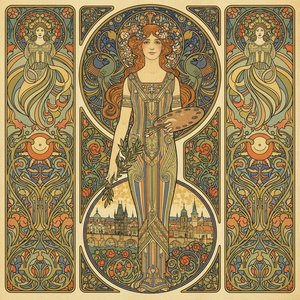 Alphonse Mucha: A Comprehensive Exploration of Art Nouveau's Master of Decorative SymbolismExplore the life & art of Alphonse Mucha, master of Art Nouveau! Discover his iconic posters, stunning illustrations, and the monumental Sl…