

 معاينة الحجم الحقيقي
 مشاركة
 مشاركة
 التفاصيل

 تحميل الملف
 قطع مشابهة
 الأشعة السينية
 عرض شرائح
 الإحصائيات
ألبرت بيرشتادت ملجأ غابة هادئ انغمس في الجمال الهادئ لهذا المشهد الغابوي الآسر، حيث يتم التقاط بهجة الطبيعة بتفاصيل رائعة. يصور الرسم مشهدًا خلابًا لغابة منعشة تكتسي بضوء دافئ إما عند شروق الشمس أو غروبها، مما يثير إحساسًا بالهدوء والسكينة. تشكل الأشجار
 زيت على قماش
- لوحات جدارية
- Hudson River School
 القرن التاسع عشر
 50.0 x 67.0 cm
 عرض المزيد
نسخة زيتية مصنوعة يدوياً
لوحة زيتية مرسومة يدوياً على الكانفاس بالمقاس والإطار الذي تفضله، تُنفذ حسب الطلب على أيدي فنانينا. ( التحويل إلى المطبوعات الانتقال إلى الصورة الرقمية)




P118B $10

P118H $10

P118W $10

P438Z $10

P508JH $12

P508YH $12

P805H $10

P805Z $10

P919BZ $10

P919G $10

P919XJ $10

P959ZH $10

P968JZ $12

W106C $8

W218G $10

W218JH $8

W218Y $10

W307PJ $10

W316G $10

W316PJ $8

W316Y $10

W398PJ $8

W4111J $10

W500HY $15

W500JH $15

W692G $12

W849H $8

W940BG $15

W953PJ $8




اختر من بين أحجامنا المُعدّة مسبقًا والتي تتطابق مع النسب الأصلية للعمل الفني.

يمكنك إدخال أبعادك الخاصة لتناسب إطارًا معينًا أو مساحة محددة. وإذا لم يتطابق الحجم الذي اخترته مع نسب الصورة الأصلية، فسنقوم إما بقص العمل الفني أو توسيع اللوحة بإضافة عناصر مرسومة يدويًا. سيتم إرسال نموذج رقمي إليك للموافقة عليه قبل بدء الإنتاج.
يرجى ملاحظة أن المعاينة على الشاشة لا تعكس عملية القص أو التوسيع الفعلية؛ حيث إن النموذج الرقمي وحده هو الذي سيوضح التكوين النهائي بدقة.
وعلى الرغم من توفر أحجام مخصصة، إلا أننا نوصي باختيار أبعاد من القائمة المحددة مسبقًا للحفاظ على النسب الأصلية للعمل الفني.
بعد إتمام الطلب، سيرسل فريق OriginalUniqueArt.com بريداً إلكترونياً للعميل لطلب التعليمات وتزويده بمعاينة تجريبية (mockup).
توصيل عالمي إلى خلال 3 إلى 4 أسابيع بدلاً من المدة المعتادة البالغة 5 أسابيع. (18 سبتمبر). جودة لا تهاون فيها.

شحن سريع ومجاني لجميع أنحاء العالم

قماش كتان عالي الجودة

تأمين شحن شامل

ضمان استرداد الرسوم الجمركية

ضمان مطابقة الألوان الحقيقية

سياسة الإرجاع خلال 100 يوم (في حالات العيوب فقط)

ضمان استرداد نقدي بنسبة 100%

خصم عند طلب عدة قطع
 خيار الزجاج متاح فقط للمقاسات التي تقل عن 110 سم

ألبرت بيرشتادت ملجأ غابة هادئ انغمس في الجمال الهادئ لهذا المشهد الغابوي الآسر، حيث يتم التقاط بهجة الطبيعة بتفاصيل رائعة. يصور الرسم مشهدًا خلابًا لغابة منعشة تكتسي بضوء دافئ إما عند شروق الشمس أو غروبها، مما يثير إحساسًا بالهدوء والسكينة. تشكل الأشجار
خامة إعادة الإنتاج
مقاس النسخة المطبوعة
-


السعر الإجمالي النهائي
$ 300
Deer in a Clearing: A Symphony of Light and Tranquility
Albert Bierstadt’s “Deer in a Clearing” stands as a quintessential embodiment of the Hudson River School aesthetic—a movement that irrevocably shaped American landscape painting during the latter half of the 19th century. More than just a depiction of a woodland scene, it's an invitation to contemplate the sublime grandeur of nature and its profound influence on the human spirit.
- Subject Matter: The artwork centers around a tranquil forest clearing populated by graceful deer—symbols of innocence and serenity—against a backdrop of towering pines and birch trees. Bierstadt meticulously captures the dappled sunlight filtering through the foliage, creating an atmosphere of ethereal beauty.
- Style & Technique: Bierstadt skillfully blends realism with impressionistic techniques. The brushstrokes are broad and confident, conveying texture and depth while simultaneously capturing the fleeting effects of light. Employing oil paints on canvas, he achieves a luminous quality characteristic of Luminism—a subgenre focused on atmospheric illumination—that elevates the scene beyond mere visual representation.
- Historical Context: Born in Prussia in 1830, Bierstadt’s artistic journey coincided with the burgeoning American Westward Expansion. He joined several expeditions to document the landscapes of Yosemite and Yellowstone National Parks, cementing his reputation as a pioneer of Western art. His work reflects Romantic ideals—a reverence for untamed wilderness and an appreciation for its spiritual significance—influencing generations of artists.
- Symbolism & Emotional Impact: The deer themselves represent purity and grace, juxtaposed against the imposing majesty of the forest. Bierstadt’s masterful composition draws the viewer's eye towards a distant vanishing point where the sunlight intensifies, fostering a feeling of awe and wonder. Ultimately, “Deer in a Clearing” transcends its visual elements to evoke emotions of peace, solitude, and contemplation—a timeless reminder of nature’s restorative power.
Detailed Examination: Composition & Color Palette
Bierstadt's compositional brilliance is immediately apparent. The diagonal pathway leading into the clearing establishes a dynamic tension that guides the viewer's gaze deeper into the scene, emphasizing perspective and creating an illusion of expansive space. Vertical trunks of pine trees provide structural stability while simultaneously framing the panoramic vista. Color plays a crucial role in conveying mood—primarily utilizing warm earth tones like ochre, amber, and russet—to simulate autumn light. The artist skillfully blends hues to produce a harmonious palette that enhances depth and luminosity.
Material & Craftsmanship: Luminism's Legacy
The meticulous application of oil paint on canvas exemplifies Luminist principles—a technique championed by Bierstadt and his contemporaries. Visible brushstrokes contribute to textural richness, simulating the roughness of bark and the softness of foliage. Careful layering of glazes achieves remarkable tonal subtlety, capturing the nuances of light and shadow with unparalleled precision. This dedication to craftmanship ensures that “Deer in a Clearing” retains its atmospheric grandeur across time.
A Window into Romantic Vision: Bierstadt's Influence
Albert Bierstadt’s contribution to American art extends far beyond his stunning landscapes. He championed the Romantic ideal of confronting nature’s sublime power—a reaction against Enlightenment rationalism—inspiring artists to explore themes of spirituality and awe. “Deer in a Clearing” stands as a testament to this legacy, inviting viewers to reconnect with the natural world and embrace its transformative beauty.
السيرة الذاتية للفنان
A Pioneer of the American West: The Life and Art of Albert Bierstadt
Born in Prussia in 1830, Albert Bierstadt’s story is one deeply interwoven with the burgeoning identity of America itself. His family's early emigration to New Bedford, Massachusetts, when he was just a year old, planted the seeds for a lifelong fascination with the landscapes that would come to define his artistic legacy. Though initially self-taught, sketching with crayons as a youth, Bierstadt recognized the need for formal training and embarked on studies in Düsseldorf, Germany, in 1853. This European grounding proved crucial, providing him with technical mastery—a meticulous attention to detail and a sophisticated understanding of light and atmosphere—that he would later apply to his depictions of the American wilderness. It was not merely replication that Bierstadt sought, but an emotional resonance, a way to convey the sublime power and beauty of nature.Capturing the Majesty: The Hudson River School and Beyond
Upon his return to the United States in 1857, Bierstadt quickly became associated with the Hudson River School, a group of artists dedicated to portraying the American landscape with both accuracy and romantic idealism. However, while sharing their reverence for nature, Bierstadt soon distinguished himself through his ambitious scale and dramatic compositions. He wasn’t content to simply paint pretty pictures; he aimed to create immersive experiences that transported viewers to the heart of the wilderness. His breakthrough came in 1858 with a Swiss landscape exhibited at the National Academy of Design, earning him immediate acclaim and honorary membership. But it was his subsequent expeditions westward—first with land surveyor Frederick W. Lander in 1859, then with author Fitz Hugh Ludlow in 1863 to Yosemite Valley—that truly ignited his artistic vision. These journeys weren’t just about observation; they were about immersion, allowing Bierstadt to absorb the grandeur of the Rocky Mountains, the vastness of the plains, and the awe-inspiring scale of canyons and waterfalls.The Painter of Empires: Shaping Perceptions of the West
Bierstadt’s paintings weren't simply landscapes; they were statements about national identity and Manifest Destiny. His canvases—often enormous in size—depicted the American West not as a harsh, untamed frontier, but as a land of promise, abundance, and divine beauty. The Rocky Mountains, Lander’s Peak, completed in 1863 and purchased for an astonishing $25,000 (equivalent to nearly $400,000 today), exemplifies this approach. The painting isn't a precise topographical rendering; it’s a carefully constructed vision of idealized grandeur, bathed in golden light and imbued with a sense of spiritual significance. This ability to evoke emotion, to inspire awe, made Bierstadt immensely popular during his lifetime. He wasn’t just an artist; he was a cultural ambassador, shaping how Americans—and the world—perceived the West. His work fueled westward expansion by presenting it as a noble and divinely ordained undertaking.Technical Mastery and Artistic Influences
Bierstadt's technique was characterized by a remarkable attention to detail, honed during his studies in Düsseldorf. He employed a glazing technique, building up layers of translucent paint to create luminous effects and atmospheric depth. His use of light – often dramatic and golden – became his signature style. European landscape painting, particularly the works of Caspar David Friedrich and the Barbizon School artists, provided early inspiration. However, Bierstadt moved beyond mere imitation, developing a uniquely American vision that emphasized the scale and majesty of the Western wilderness. He also drew influence from Japanese woodblock prints, incorporating elements of compositional asymmetry and flattened perspective into his work. His paintings often feature meticulously rendered details of flora and fauna, reflecting a deep appreciation for natural history.Legacy and Influence: A Lasting Impression
While Bierstadt's popularity waned somewhat in the late 19th century as artistic tastes shifted, his influence on American landscape painting remains undeniable. He demonstrated the power of large-scale canvases to create immersive experiences, a technique later adopted by many artists. His meticulous attention to detail and masterful use of light continue to inspire painters today. Beyond his technical achievements, Bierstadt’s work serves as a valuable historical document, offering insights into the evolving perceptions of the American West during a period of rapid change and expansion. He captured a moment in time—a vision of pristine wilderness before it was irrevocably altered by human intervention. His paintings are not just beautiful images; they are windows into a pivotal era in American history, reminding us of both the promise and the cost of westward expansion. His legacy endures, ensuring that his breathtaking landscapes will continue to captivate and inspire generations to come.
ألبرت بيرشتادت
1830 - 1902 , ألمانيا
حقائق سريعة
- الأعمال البارزة:
- منظر طبيعي غربي
- مشهد ساحلي
- الاسم الكامل: ألبرت بيرشتات
- الجنسية: ألماني أمريكي
- الحركة الفنية: مدرسة نهر هدسون
- تاريخ الميلاد: 7 يناير 1830
- تاريخ الوفاة: 18 فبراير 1902
- مكان الميلاد: زولينجن، ألمانيا
مقالات ذات صلة

أعلى 10 روائع تحدد مدرسة نهر هدسون: رحلة في الفن الراقي وجمال الطبيعة
اكتشف روائع مدرسة نهر هدسون! استكشف 10 لوحات فنية خالدة لـ Thomas Cole و Frederic Church وغيرهم. فن أمريكي رومانسي، مناظر طبيعية خلابة وألوان ترابية ساحرة. احصل على أعمال فنية راقية لديكور منزلك على OriginalUniqueArt.com

Albert Bierstadt: Luminosity, Landscape & the American Ideal
Explore the breathtaking landscapes of Albert Bierstadt, master of the American West & a leading figure in the Hudson River School. Discover his luminous style and iconic paintings – a timeless investment for art lovers.
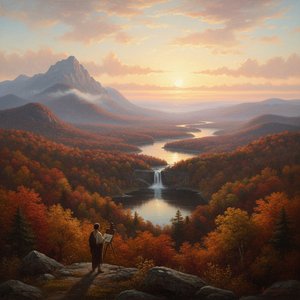
The Sublime Landscape: Exploring the Hudson River School Movement
Explore the captivating world of the Hudson River School! Discover the history, artists, and defining characteristics of this iconic American art movement. Learn about Romanticism's influence & find inspiration for your collection.
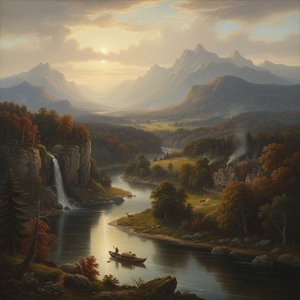
Capturing the American Spirit: A Journey Through Iconic Landscapes and the Legacy of the Hudson River School
Explore the profound beauty of American art history. From the Hudson River School to iconic landscapes, discover a curated journey through the masterpieces that defined a nation's spirit and the enduring legacy of American Romanticism.
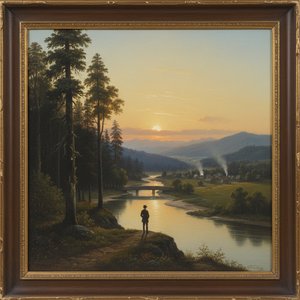
Robert Spencer: Luminism, Narrative & the American Landscape Tradition
Explore the captivating world of Luminism & the Hudson River School with our expert analysis. Discover the history, artists, and enduring beauty of 19th-century American landscape painting. Find museum-quality reproductions at OriginalUniqueArt.


