


1


تحديث أكتوبر 2026 · مُرتبة حسب مؤشر شعبيتنا (عمليات البحث، والزيارات، والطلبات لكل عمل فني) · 48 أعمال لـ Othon Friesz في كتالوجنا
باختصار
تُعد Scene in a Parisian Brasserie (1906) اللوحة الأكثر جذباً للأنظار للفنان Othon Friesz؛ والنسخة الأصلية محفوظة في Museum Barberini، بوتسدام. بعد ذلك، تتجه العين إلى The Bathers of Andelys (1908) و Interior (1914). من بين 48 من أعمال Othon Friesz في كتالوجنا، تُعد هذه 48 الأعمال هي الأكثر شهرة، حيث تُعرض كل واحدة منها كعمل أصلي فريد مع سنة إنتاجها، والمتحف الذي تضمّه، والسبب وراء خلودها.


The oil on canvas titled Temptation (Adam and Eve) was painted by Othon Friesz in 1910. This work measures 73 x 60 cm. It captures a moment of profound weight through the figures of Adam and Eve. The scene is held within the permanent collection of the Hermitage Museum.


 Nude Reclining
12
 The CreekMuseum of Art
13
 The Harbour in Honfleur1907 · المتحف الوطني للفن والعمارة والتصميم
14
 Flowers (Tulips and Daisies)1910 · متحف الإرميتاج
15
 Vue du château Fallet1907 · Musée d'Unterlinden
16
 The Sunken Road in Winter1913 · Statens Museum For Kunst
17
 The Arbour in the Pine Wood1914 · Statens Museum For Kunst
18
 Still Life with Brioches1916 · Statens Museum For Kunst
19
 Still Life with Apples1915 · Statens Museum For Kunst
20
 Terrace with Palms1914 · Statens Museum For Kunst
21
 The Cliff at Sainte Marguerite1914 · Statens Museum For Kunst
22
 The Peaches1914 · Statens Museum For Kunst
23
 Spring1913 · Statens Museum For Kunst
24
 The Harbour of Le Havre1921 · المتحف الملكي للفنون الجميلة في أنتويرب
25
 Under the Fig1922 · Statens Museum For Kunst
26
 The Mountain Coudon Seen from Cap Brunالمتحف الملكي للفنون الجميلة في أنتويرب
27
 The ramparts of Saint-MaloMusée Toulouse-Lautrec
28
 Port
29
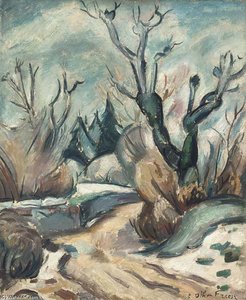 The Jura
30
 Landscape
31
 Port Of Toulon
32
 Baigneuses
33
 Flowers
34
 Construction Of Sheds At Istres
35
 Window On The Port Of Toulon
36
 Bateau Et Coquillages
37
 Seated Woman
38
 Nature Morte
39
 Landscape At Home
40
 A Village Street
41
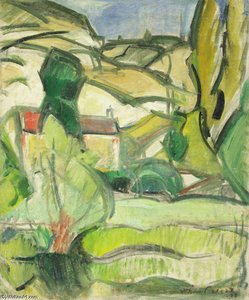 Landscape -
42
 A Still Life With Flowers In A Vase
43
 Drawings for ceramic platesMuseu do Caramulo
44
 Landscape of La Ciotat1907 · مركز بومبيدو
45
 The Port of Anvers1906 · La Boverie
46
 Autumn Work1908 · المتحف الوطني للفن والعمارة والتصميم
47
 Roofs and Cathedral in Rouen1908 · متحف الإرميتاج
48
 Le Havre, Bassin du Roy1906
المواضيع الأربعة التي تتكرر باستمرار في هذه الأعمال الأصلية، مع تقديم أروع مثال لكل منها.
المتاحف الـ 8 التي تضم أكبر عدد من اللوحات الموجودة في هذه الصفحة.
| المتحف | المدينة | أعمال Othon Friesz | لوحات من هذه القائمة |
|---|---|---|---|
 Statens Museum For Kunst |
كوبنهاغن | 13 | Interior, Mother's Love, The Lady on the Terrace |
 متحف الإرميتاج |
سانت بطرسبرغ | 3 | Temptation (Adam and Eve), Flowers (Tulips and Daisies), Roofs and Cathedral in Rouen |
 المتحف الوطني للفن والعمارة والتصميم |
أوسلو | 2 | The Harbour in Honfleur, Autumn Work |
 المتحف الملكي للفنون الجميلة في أنتويرب |
أنتويرب | 2 | The Harbour of Le Havre, The Mountain Coudon Seen from Cap Brun |
 Museum Barberini |
بوتسدام | 1 | Scene in a Parisian Brasserie |
 Musee du Petit Palais |
Geneva | 1 | The Bathers of Andelys |
 متحف إسرائيل |
القدس | 1 | The Decorated Cruiser, Antwerp |
 Museum of Art |
San Diego | 1 | The Creek |
اختر عقداً لتشاهد العمل الأصلي الذي يجسده.
Scene in a Parisian Brasserie (1906)، Museum Barberini, بوتسدام. ويليها The Bathers of Andelys (1908) وInterior (1914).
عمر 27 عاماً: يعود تاريخ Scene in a Parisian Brasserie إلى 1906، وقد وُلد Othon Friesz في 1879.
Scene in a Parisian Brasserie, The Bathers of Andelys, Interior, Mother's Love, The Lady on the Terrace, Female Nude, Temptation (Adam and Eve), The Decorated Cruiser, Antwerp, Le Havre Port و Nude Lying in a Landscape. يوضح التصنيف أعلاه سنة كل لوحة والمتحف التابعة له.
يضم كتالوجنا 48 من أعمال Othon Friesz، التي يعود تاريخها من 1903 إلى 1923.
توجد غالبيتها في Statens Museum For Kunst (كوبنهاغن), متحف الإرميتاج (سانت بطرسبرغ) و المتحف الوطني للفن والعمارة والتصميم (أوسلو). يدرج جدول المتاحف أعلاه جميعها.
في 1910s: تم إنجاز 13 من أصل 48 من الأعمال في هذه الصفحة خلال تلك الفترة، من بينها Interior.
في هذه الصفحة، أقدم الأعمال يعود إلى Le Havre Port (1903) وأحدثها يعود إلى Female Nude (1923).
Flowers (2) و Landscape (2)، عبر 48 من الأعمال في هذه الصفحة.
Interior, Mother's Love و The Lady on the Terrace: يضم Statens Museum For Kunst, كوبنهاغن 13 من الأعمال المعروضة في هذه الصفحة.