بورتريه لـ كارل شينكل

أشهر 61 لوحات لـ كارل شينكل، مختارات من المعرض

تحديث أكتوبر 2026 · مُرتبة حسب مؤشر شعبيتنا (عمليات البحث، والزيارات، والطلبات لكل عمل فني) · 78 أعمال لـ كارل شينكل في كتالوجنا

باختصار

من بين جميع الأعمال الأصلية التي تركها كارل شينكل، تُعد أوبرا المايسترو الساحر لـ فولفغانغ أماديوس موزارت. تصميم ديكور المشهد الثاني، قاعة النجوم لملكة الليل هي الأشهر، وهي ضمن مجموعة Kupferstichkabinett في برلين. تأتي بعدهما مباشرة كل من Stage set for Mozart's Magic Flute (1815) و Altes Museum, Berlin: the main staircase (1830). يضم كتالوجنا 78 من أعمال كارل شينكل؛ حيث احتفظ المعرض بـ 61 من أكثر الأعمال التي يعجب بها العالم، مع عرض كل منها مع تاريخها ومتحفها وقصتها.

1781 – 1841, نويروبين Neoclassicism أكبر مجموعة أعمال: Kupferstichkabinett

أفضل 10 لوحات لـ كارل شينكل: مختارات المعرض

1
أوبرا المايسترو الساحر لـ فولفغانغ أماديوس موزارت. تصميم ديكور المشهد الثاني، قاعة النجوم لملكة الليل للفنان كارل شينكل

أوبرا المايسترو الساحر لـ فولفغانغ أماديوس موزارت. تصميم ديكور المشهد الثاني، قاعة النجوم لملكة الليل

ألوان أكريليك على ورق · Kupferstichkabinett, برلين

إن أوبرا "الناي السحري" لموزارت ليست مجرد عمل مسرحي؛ بل هي رمزية عميقة، نسيج متلألئ منسوج برموز الماسونية ومواضيع خالدة مثل الفضيلة والخلاص. وفي قلب هذا العمل يكمن تحفة بصرية – تصميم المسرح الذي أبدعه كارل فريدريش شينكل للمشهد الثاني من الفصل الأول، والذي يصور قاعة نجوم ملكة الليل. فهذا ليس مجرد خلفية مسرحية؛ بل هو تجربة غامرة، وهم مُحكم البناء صُمم لنقل الجمهور إلى عالم من الجمال الأخاذ والتوتر…

2
Stage set for Mozart's Magic Flute (1815) للفنان كارل شينكل

Stage set for Mozart's Magic Flute

1815 · Tempera · Staatliche Museen zu Berlin, برلين

Stage Set for Mozart’s Magic Flute – A Celestial Reflection of Artistic Vision Karl Friedrich Schinkel's "Stage set for Mozart’s Magic Flute" transcends mere architectural design; it embodies a profound engagement with Romantic idealism and the pursuit of sublime beauty. Executed in 1815, this monumental canvas—measuring an impressive 463 x 616 cm—represents Schinkel’s ambitious interpretation of Wolfgang Amadeus Mozart's opera masterpiece, specifically Scene 6 of Act 1: The Hall of…

3
Altes Museum, Berlin: the main staircase (1830) للفنان كارل شينكل

Altes Museum, Berlin: the main staircase

1830 · Lithograph · Royal Institute of British Architects, لندن

Altes Museum, Berlin: the main staircase is a work by the artist Karl Friedrich Schinkel. This depiction focuses on the interior view of the main staircase within the Altes Museum, located in Berlin, Germany. The building itself was commissioned by King Frederick William III of Prussia. The creation of this specific work occurred between 1822 and 1830.

4
Berlin. Friedrichswerder Church. Perspective view showing gable wall overlooking Falkoniergasse للفنان كارل شينكل

Berlin. Friedrichswerder Church. Perspective view showing gable wall overlooking Falkoniergasse

Graphite · Kupferstichkabinett, برلين

To gaze upon this depiction of the Friedrichswerder Church in Berlin is to step directly into the meticulous, ordered world envisioned by Karl Friedrich Schinkel himself. This artwork transcends mere architectural documentation; it captures a moment of civic permanence against the backdrop of an evolving metropolis. The composition centers with undeniable gravity on the church’s imposing gable wall, a structure that speaks volumes about Neoclassical ideals—a yearning for classical order…

5
The Gate in the Rocks (1818) للفنان كارل شينكل

The Gate in the Rocks

1818 · Acrylic On Canvas · Staatliche Museen zu Berlin, برلين

Karl Friedrich Schinkel’s “The Gate in the Rocks,” completed in 1818, stands as a testament to Prussia’s burgeoning Romantic spirit and Schinkel's unwavering commitment to architectural innovation. More than just a depiction of a dramatic coastal vista—the painting captures a profound philosophical contemplation on nature’s power and humanity’s aspiration for transcendence.

6
Berlin. Bauakademie. Perspective view from the Schlossbrücke للفنان كارل شينكل

Berlin. Bauakademie. Perspective view from the Schlossbrücke

Graphite · Kupferstichkabinett, برلين

To gaze upon this depiction of Berlin’s Bauakademie, viewed across the venerable Schlossbrücke, is to step directly into the meticulous heart of 19th-century architectural ambition. This work transcends a mere topographical record; it is a profound meditation on order, permanence, and the civic spirit embodied by Neoclassical design. The composition itself guides the eye with an almost inevitable grace, drawing us across the reflective surface of the Spree River toward…

7
Altes Museum by the Lustgarten. Inside view of the main stairs للفنان كارل شينكل

Altes Museum by the Lustgarten. Inside view of the main stairs

Giclée Print · Kupferstichkabinett, برلين

The Altes Museum, nestled within Berlin's vibrant Museum Island complex, isn’t merely a building; it’s an embodiment of Neoclassical ideals and a testament to the visionary genius of Karl Friedrich Schinkel. This architectural masterpiece, meticulously rendered in graphite and etching on paper around 1852, offers a profound glimpse into the heart of early 19th-century European aesthetics – a world where order, rationality, and a deep reverence for classical antiquity reigned…

8
Berlin. Altes Museum by the Lustgarten. Perspective view from Schlossbrücke للفنان كارل شينكل

Berlin. Altes Museum by the Lustgarten. Perspective view from Schlossbrücke

Graphite Pencil · Kupferstichkabinett, برلين

To gaze upon this depiction of the Altes Museum in Berlin, viewed across the tranquil expanse from Schlossbrücke, is to step directly into the ordered elegance of 19th-century Prussian ambition. This work transcends mere architectural documentation; it captures a moment where civic pride met artistic precision. The composition itself is a masterclass in perspective, drawing the eye with an almost irresistible pull toward the monumental facade of the museum. One…

9
Berlin, Klosterstrasse. Gewerbeinstitut. Beuth in his work residence للفنان كارل شينكل

Berlin, Klosterstrasse. Gewerbeinstitut. Beuth in his work residence

Acrylic On Canvas · Kupferstichkabinett, برلين

A Study in Classical Harmony: Exploring Schinkel’s ‘Berlin, Klosterstrasse’ This monumental watercolor painting by Karl Friedrich Schinkel—completed in 1838—offers an unparalleled glimpse into the intellectual and artistic milieu of Prussia during its Romantic era. More than just a depiction of an interior space, it functions as a carefully constructed allegory, reflecting Schinkel's profound admiration for classical ideals while simultaneously hinting at the burgeoning fascination with craftsmanship and Northern European heritage…

10
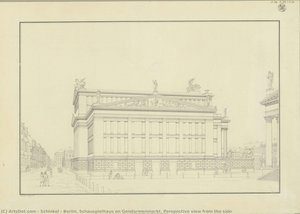
Berlin. Schauspielhaus on Gendarmenmarkt. Perspective view للفنان كارل شينكل

Berlin. Schauspielhaus on Gendarmenmarkt. Perspective view

Lithograph · Kupferstichkabinett, برلين

The image before you isn’t merely a depiction of a building; it's a carefully constructed window into 19th-century Berlin, a testament to the vision of Karl Friedrich Schinkel and his mastery of Neoclassical architecture. Captured in a lithograph or similar print based on an architectural drawing, this view of the Schauspielhaus (theater) on Gendarmenmarkt offers a remarkably detailed perspective, transporting us back to a pivotal moment in Prussian history –…

تستمر مجموعة كارل شينكل، من 11 إلى 61

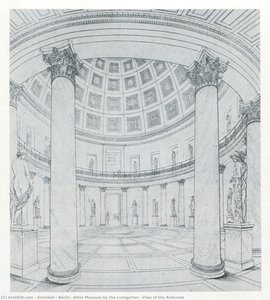
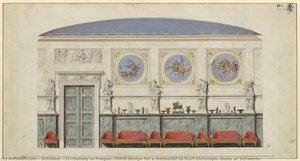
11Potsdam, Babelsberg Palace. Wall decorations للفنان كارل شينكلPotsdam, Babelsberg Palace. Wall decorationsKupferstichkabinett 12Portrait of the Artist’s Daughter, Marie (1817) للفنان كارل شينكلPortrait of the Artist’s Daughter, Marie1817 · Saint Louis Art Museum 13Berlin, Unter den Linden. View of the Lustgarten with Schlossbrücke, the Altes Museum, cathedral, and palace للفنان كارل شينكلBerlin, Unter den Linden. View of the Lustgarten with Schlossbrücke, the Altes Museum, cathedral, and palaceKupferstichkabinett 14Ancient city at the foot of a mountain (1804) للفنان كارل شينكلAncient city at the foot of a mountain1804 · Alte Nationalgalerie 15Portrait of the Artist's Daughter, Marie (1816) للفنان كارل شينكلPortrait of the Artist's Daughter, Marie1816 · Staatliche Museen zu Berlin 16Greek Fantasy Landscape with Resting Shepherd (1823) للفنان كارل شينكلGreek Fantasy Landscape with Resting Shepherd1823 · Alte Nationalgalerie 17Landscape with two bathing children (1812) للفنان كارل شينكلLandscape with two bathing children1812 · Alte Nationalgalerie 18Uranus and the Dance of the Stars (1834) للفنان كارل شينكلUranus and the Dance of the Stars1834 19Berlin. Altes Museum by the Lustgarten. View of the Rodunda للفنان كارل شينكلBerlin. Altes Museum by the Lustgarten. View of the RodundaKupferstichkabinett 20The queen of the night للفنان كارل شينكلThe queen of the night 21Berlin: Schloss Charlottenburg, Schlosspark, New Pavilion (known as the ‘Schinkel Pavilion’). View of the White Room as sample design for rooms on the upper floor للفنان كارل شينكلBerlin: Schloss Charlottenburg, Schlosspark, New Pavilion (known as the ‘Schinkel Pavilion’). View of the White Room as sample design for rooms on the upper floorKupferstichkabinett 22Study for a Monument to Queen Louise (1810) للفنان كارل شينكلStudy for a Monument to Queen Louise1810 · Nationalgalerie 23Decorations for the Dürer celebration on April 18, 1828, at the Singakademie in Berlin (1828) للفنان كارل شينكلDecorations for the Dürer celebration on April 18, 1828, at the Singakademie in Berlin1828 · متاحف نورنبرغ البلدية 24Berlin, Wilhelmstrasse 65. Palace of Prince August of Prussia, Ballroom للفنان كارل شينكلBerlin, Wilhelmstrasse 65. Palace of Prince August of Prussia, BallroomKupferstichkabinett 25The Magic Flute, opera by Wolfgang Amadeus Mozart. Stage design for 12th scene: Sarastro’s Temple of the Sun للفنان كارل شينكلThe Magic Flute, opera by Wolfgang Amadeus Mozart. Stage design for 12th scene: Sarastro’s Temple of the SunKupferstichkabinett 26Gothic Church on a Rock by the Sea (1815) للفنان كارل شينكلGothic Church on a Rock by the Sea1815 · Alte Nationalgalerie 27Castle by the River (1820) للفنان كارل شينكلCastle by the River1820 · Alte Nationalgalerie 28Morning (1813) للفنان كارل شينكلMorning1813 · Nationalgalerie 29Female figure (blowing bubbles), as allegory of Christian Peter Wilhelm Beuth, riding Pegasus over an industrial city للفنان كارل شينكلFemale figure (blowing bubbles), as allegory of Christian Peter Wilhelm Beuth, riding Pegasus over an industrial cityKupferstichkabinett 30Tyrolean Inn (Dusk) (1813) للفنان كارل شينكلTyrolean Inn (Dusk)1813 · Alte Nationalgalerie 31The Night (1814) للفنان كارل شينكلThe Night1814 32Harvest Festival Procession (1826) للفنان كارل شينكلHarvest Festival Procession1826 · Alte Nationalgalerie 33Ancient Temple Ruins للفنان كارل شينكلAncient Temple RuinsKupferstichkabinett 34Gothic-style Church Behind Trees للفنان كارل شينكلGothic-style Church Behind TreesKupferstichkabinett 35Berlin. Friedrichswerder Church. Design as seen following building’s completion. Perspective view للفنان كارل شينكلBerlin. Friedrichswerder Church. Design as seen following building’s completion. Perspective viewKupferstichkabinett 36A Gothic Cathedral behind Trees (1813) للفنان كارل شينكلA Gothic Cathedral behind Trees1813 37The Banks of the Spree near Stralau (1817) للفنان كارل شينكلThe Banks of the Spree near Stralau1817 · Nationalgalerie 38A Boat Trip on the Königssee by Berchtesgaden (with Karl Friedrich Schinkel and his wife, Susanne Schinkel, née Berger) للفنان كارل شينكلA Boat Trip on the Königssee by Berchtesgaden (with Karl Friedrich Schinkel and his wife, Susanne Schinkel, née Berger)Kupferstichkabinett 39Orianda Palace in the Crimea. Antique-style design. Cross-section and perspective view of museum للفنان كارل شينكلOrianda Palace in the Crimea. Antique-style design. Cross-section and perspective view of museumKupferstichkabinett 40Gothic Cathedral للفنان كارل شينكلGothic Cathedral 41The magic flute للفنان كارل شينكلThe magic flute 42View of Mont Blanc للفنان كارل شينكلView of Mont BlancAlte Nationalgalerie 43Vase للفنان كارل شينكلVaseمتحف آرت موسيم ريغا بورسا 44Berlin. Altes Museum by the Lustgarten. Internal view of the main staircase للفنان كارل شينكلBerlin. Altes Museum by the Lustgarten. Internal view of the main staircaseKupferstichkabinett 45Berlin. Palace, apartment of Crown Prince Friedrich Wilhelm IV of Prussia, tea salon. Design for ceiling للفنان كارل شينكلBerlin. Palace, apartment of Crown Prince Friedrich Wilhelm IV of Prussia, tea salon. Design for ceilingKupferstichkabinett 46Medieval Town by Water للفنان كارل شينكلMedieval Town by WaterNeue Pinakothek 47Vorbilder für Fabrikanten und Handwerker. Part 2, section 2, sheet 5: Designs for glass vessels للفنان كارل شينكلVorbilder für Fabrikanten und Handwerker. Part 2, section 2, sheet 5: Designs for glass vesselsKupferstichkabinett 48Idealized Landscape with City on a River / View of Dresden للفنان كارل شينكلIdealized Landscape with City on a River / View of DresdenKupferstichkabinett 49The Potteries of Newcastle للفنان كارل شينكلThe Potteries of NewcastleKupferstichkabinett 50Berlin. Bauakademie. Vertical plan of the three bays on the main facade للفنان كارل شينكلBerlin. Bauakademie. Vertical plan of the three bays on the main facadeKupferstichkabinett 51Berlin. Schauspielhaus on Gendarmenmarkt. Perspective view from the side للفنان كارل شينكلBerlin. Schauspielhaus on Gendarmenmarkt. Perspective view from the sideKupferstichkabinett 52Berlin. Altes Museum by the Lustgarten. Cross section view of the Rotunda للفنان كارل شينكلBerlin. Altes Museum by the Lustgarten. Cross section view of the RotundaKupferstichkabinett 53Goblet for government building officer Redtel للفنان كارل شينكلGoblet for government building officer RedtelKunstgewerbemuseum 54Preliminary drawings for Vorbilder für Fabrikanten und Handwerker. Part 1, section 2, sheet 25: Design for a ‘goblet to be cast in either silver or gold’ للفنان كارل شينكلPreliminary drawings for Vorbilder für Fabrikanten und Handwerker. Part 1, section 2, sheet 25: Design for a ‘goblet to be cast in either silver or gold’Kupferstichkabinett 55View of the Capitoline Hill in Rome from the Campo Vaccino للفنان كارل شينكلView of the Capitoline Hill in Rome from the Campo VaccinoKupferstichkabinett 56Berlin. Neue Wache. Vertical section of the portico side للفنان كارل شينكلBerlin. Neue Wache. Vertical section of the portico sideKupferstichkabinett 57Štěrboholy in Prague. Third design for a memorial to Kurt Christoph, Duke of Schwerin للفنان كارل شينكلŠtěrboholy in Prague. Third design for a memorial to Kurt Christoph, Duke of SchwerinKupferstichkabinett 58Berlin, Wilhelmstrasse 65. Palace of Prince August of Prussia. Colour specifications for the stucco marble للفنان كارل شينكلBerlin, Wilhelmstrasse 65. Palace of Prince August of Prussia. Colour specifications for the stucco marbleKupferstichkabinett 59View of Rome from Schinkel للفنان كارل شينكلView of Rome from SchinkelKupferstichkabinett 60The Rugard on Rügen (1821) للفنان كارل شينكلThe Rugard on Rügen1821 · Alte Nationalgalerie 61Gothic Cathedral with Imperial Palace (1815) للفنان كارل شينكلGothic Cathedral with Imperial Palace1815 · Nationalgalerie

لوحات كارل شينكل الشهيرة، حسب الفترات الزمنية

المواضيع التي استأثرت باهتمام كارل شينكل

المواضيع الأربعة التي تتكرر باستمرار في هذه الأعمال الأصلية، مع تقديم أروع مثال لكل منها.

المتاحف التي تحتفظ بالأعمال الأصلية لـ كارل شينكل

المتاحف الـ 8 التي تضم أكبر عدد من اللوحات الموجودة في هذه الصفحة.

المتحف المدينة أعمال كارل شينكل لوحات من هذه القائمة
Kupferstichkabinett, برلينKupferstichkabinett برلين 33 أوبرا المايسترو الساحر لـ فولفغانغ أماديوس موزارت. تصميم ديكور المشهد الثاني، قاعة النجوم لملكة الليل, Berlin. Friedrichswerder Church. Perspective view showing gable wall overlooking Falkoniergasse, Berlin. Bauakademie. Perspective view from the Schlossbrücke
Alte Nationalgalerie, برلينAlte Nationalgalerie برلين 9 Ancient city at the foot of a mountain, Greek Fantasy Landscape with Resting Shepherd, Landscape with two bathing children
Nationalgalerie, برلينNationalgalerie برلين 4 Study for a Monument to Queen Louise, Morning, The Banks of the Spree near Stralau
Staatliche Museen zu Berlin, برلينStaatliche Museen zu Berlin برلين 3 Stage set for Mozart's Magic Flute, The Gate in the Rocks, Portrait of the Artist's Daughter, Marie
Royal Institute of British Architects, لندنRoyal Institute of British Architects لندن 1 Altes Museum, Berlin: the main staircase
Saint Louis Art Museum, سانت لويسSaint Louis Art Museum سانت لويس 1 Portrait of the Artist’s Daughter, Marie
متاحف نورنبرغ البلدية, نورنبرغمتاحف نورنبرغ البلدية نورنبرغ 1 Decorations for the Dürer celebration on April 18, 1828, at the Singakademie in Berlin
متحف آرت موسيم ريغا بورسا, ريغامتحف آرت موسيم ريغا بورسا ريغا 1 Vase

كارل شينكل عقداً بعد عقد: الأعمال الأصلية التي ميزت كل حقبة

الأعمال حسب العقد

اختر عقداً لتشاهد العمل الأصلي الذي يجسده.

أسئلة المقتنين حول لوحات كارل شينكل

ما هو العمل الأكثر شهرة لـ كارل شينكل؟اكتشف الإجابة

أوبرا المايسترو الساحر لـ فولفغانغ أماديوس موزارت. تصميم ديكور المشهد الثاني، قاعة النجوم لملكة الليل، Kupferstichkabinett, برلين. ويليها Stage set for Mozart's Magic Flute (1815) وAltes Museum, Berlin: the main staircase (1830).

ما هي أشهر عشر لوحات لـ كارل شينكل؟اكتشف الإجابة

أوبرا المايسترو الساحر لـ فولفغانغ أماديوس موزارت. تصميم ديكور المشهد الثاني، قاعة النجوم لملكة الليل, Stage set for Mozart's Magic Flute, Altes Museum, Berlin: the main staircase, Berlin. Friedrichswerder Church. Perspective view showing gable wall overlooking Falkoniergasse, The Gate in the Rocks, Berlin. Bauakademie. Perspective view from the Schlossbrücke, Altes Museum by the Lustgarten. Inside view of the main stairs, Berlin. Altes Museum by the Lustgarten. Perspective view from Schlossbrücke, Berlin, Klosterstrasse. Gewerbeinstitut. Beuth in his work residence و Berlin. Schauspielhaus on Gendarmenmarkt. Perspective view. يوضح التصنيف أعلاه سنة كل لوحة والمتحف التابعة له.

كم عدد اللوحات التي تركها كارل شينكل؟اكتشف الإجابة

يضم كتالوجنا 78 من أعمال كارل شينكل، التي يعود تاريخها من 1804 إلى 1834.

في أي متاحف تُعرض روائع كارل شينكل؟اكتشف الإجابة

توجد غالبيتها في Kupferstichkabinett (برلين), Alte Nationalgalerie (برلين) و Nationalgalerie (برلين). يدرج جدول المتاحف أعلاه جميعها.

في أي سنوات رسم كارل شينكل أشهر أعماله؟اكتشف الإجابة

في 1810s: تم إنجاز 13 من أصل 61 من الأعمال في هذه الصفحة خلال تلك الفترة، من بينها Stage set for Mozart's Magic Flute.

ما هي أول وآخر الأعمال الأصلية الشهيرة لـ كارل شينكل؟اكتشف الإجابة

في هذه الصفحة، أقدم الأعمال يعود إلى Ancient city at the foot of a mountain (1804) وأحدثها يعود إلى Uranus and the Dance of the Stars (1834).

ما هي المواضيع التي اختارها كارل شينكل بشكل متكرر؟اكتشف الإجابة

Architecture (25), Schinkel (11) و Berlin (8)، عبر 61 من الأعمال في هذه الصفحة.

ما هي التقنية التي استخدمها كارل شينكل بشكل أكبر؟اكتشف الإجابة

Acrylic On Canvas، لـ 15 من أصل 61 من الأعمال في هذه الصفحة.

إلى أي حركة فنية ينتمي كارل شينكل؟اكتشف الإجابة

Neoclassicism، بناءً على الأعمال الأصلية في هذه الصفحة.

ما هي أعمال كارل شينكل المعروضة في Kupferstichkabinett؟اكتشف الإجابة

أوبرا المايسترو الساحر لـ فولفغانغ أماديوس موزارت. تصميم ديكور المشهد الثاني، قاعة النجوم لملكة الليل, Berlin. Friedrichswerder Church. Perspective view showing gable wall overlooking Falkoniergasse و Berlin. Bauakademie. Perspective view from the Schlossbrücke: يضم Kupferstichkabinett, برلين 33 من الأعمال المعروضة في هذه الصفحة.

كارل شينكل: حياته وأعماله

رؤيوي بروسي: حياة وإرث كارل فريدريش شينكل

يحتل كارل فريدريش شينكل، الذي ولد في نوربين بألمانيا عام 1781، مكانة فريدة في سجلات الفن والعمارة في القرن التاسع عشر. كانت حياته سردية مؤثرة نسجت خيوطها بين المعاناة الشخصية والانتصار المهني، وتجلت فصولها على خلفية المشاهد السياسية المتغيرة والحركات الفنية الناشئة. إن الحريق المدمر الذي عصف بنوربين عام 1787، والذي أودى بحياة والده بشكل مأساوي بينما كان شينكل لا يزال صبيًا صغيرًا، قد ألقى بظلال طويلة على سنوات تكوينه؛ فربما غرست هذه التجربة المبكرة في نفسه تقديرًا عميقًا للنظام، والديمومة، والقوة الخالدة للشكل، وهي الصفات التي ستحدد رؤيته الفنية لاحقًا. ولا شك أن ذلك ساهم في الدقة المتناهية والرنين العاطفي الذي ميز أعماله الناضجة. وقد تلقى إرشادات مبكرة تحت رعاية فريدريش جيلي ووالده ديفيد جيلي، وكلاهما من المعماريين المؤثرين في برلين، حيث استوعب مبادئهم الكلاسيكية بينما واجه في الوقت ذاته أفكارًا أكثر تجريبية، وهو مزيج حاسم شكل حسياته الجمالية المتطورة. لقد وفرت هذه السنوات التأسيسية لشينكل فهمًا قويًا لتاريخ العمارة وتقنياتها، مما هيأه للقرارات المصيرية التي كانت تنتظره في المستقبل.

من الطموحات التصويرية إلى الإتقان المعماري

في البداية، سعى شينكل لاتخاذ الرسم مهنة له، حيث أظهر موهبة كبيرة في رسم المناظر الطبيعية والبورتريه. ومع ذلك، جاءت نقطة التحول خلال معرض في برلين عام 1810، حيث التقى بلوحة كاسبار ديفيد فريدريش الأيقونية "المتجول فوق بحر من الضباب". إن العمق العاطفي الهائل والتنفيذ المتقن لعمل فريدريش دفع شينكل إلى لحظة من التقييم الذاتي العميق؛ فبعد إدراكه أن ميوله الفنية الخاصة لا تتماشى مع الوصول إلى مثل هذه القمم في الرسم، اتخذ التحول الحاسم نحو العمارة. لم يكن هذا مجرد تغيير في المهنة، بل كان شهادة على صدق شينكل الفكري والتزامه بالسعي وراء حيث تكمن مواهبه الحقيقية. ومن الجدير بالذكر أن خبرته السابقة في الرسم أثرت بعمق في تصميماته المعمارية، حيث أضفت عليها إحساسًا بالأجواء، والوعي بالمساحة، والعمق العاطفي الذي غالبًا ما يغيب عن المناهج التقنية البحتة. لقد فهم قوة السرد البصري وسعى لترجمة هذا الفهم إلى البيئة المبنية، مبتكرًا مساحات تتردد أصداؤها بالشعور بقدر ما تخدم الوظيفة.

توليفة من الأساليب: الكلاسيكية الجديدة، الإحياء القوطي، وما وراءهما

من الصعب للغاية تصنيف أسلوب شينكل المعماري بدقة، فهو يمثل بدلًا من ذلك توليفة متطورة من تأثيرات متنوعة. وبينما كان متجذرًا بقوة في مبادئ الكلاسيكية الجديدة — كرد فعل ضد الإفراط الملحوظ في طرازي الباروك والروكوكو — إلا أنه ابتعد عن التركيز السائد على الأشكال الرومانية الإمبراطورية، مختارًا جمالية أكثر رقيًا مستوحاة من اليونان. ولم يكن هذا التبني للإحياء اليوناني مجرد أسلوب عابر؛ بل عكس إيمان شينكل بأن العمارة يجب أن تمتلك النزاهة الهيكلية والرنين الشاعري في آن واحد، لتتفاعل مع التاريخ وتثير العاطفة في الوقت نفسه. ومع ذلك، لم يحصر نفسه في الكلاسيكية الجديدة، بل أظهر أيضًا براعة ملحوza في أسلوب الإحياء القوطي، كما يتجلى في أعمال مثل قصر روزناو وكنيسة فريدريشفيردر. إن هذه الرغبة في استكشاف أنماط تاريخية مختلفة، وتكييفها مع الاحتياجات والحساسيات المعاصرة، ميزته عن العديد من معاصريه. وقد اتسمت تصميماته بالاهتمام الدقيق بالتفاصيل، والاستخدام المبتكر للمواد، والفهم العميق للعلاقات المكانية. لم يكن مجرد إعادة إنتاج للأشكال الماضية؛ بل كان يعيد تفسيرها من خلال عدسة رؤيته الفنية الخاصة.

إبداعات معلمية: تشكيل برلين وما وراءها

إن إرث شينكل محفور بشكل لا يمحى في المشهد الحضري لبرلين وخارجها من خلال ابتكاراته العديدة التي أصبحت معالم بارزة. فمبنى "نيوي واخي" (1816-181le) يعد أحد أعماله المبكرة التي تستعرض أسلوبه الكلاسيكي الجديد الناشئ بأناقته الرصينة وحضوره المهيب. ويقف النصب التذكاري الوطني لحروب التحرير (1818-1821) كشهادة قوية على الصمود البروسي والفخر الوطني. أما مسرح "شاوبوهاوس" (1819-1821)، الذي أعيد بناؤه في جندارمنماركت بعد حريق مدمر، فيجسد تصميمه المسرحي الرفيع. ومع ذلك، ربما يظل "المتحف القديم" (1823-1830)، الواقع في جزيرة المتاحف، هو أعظم إنجازاته الأيقونية — فهو تحفة من العمارة الكلاسيكية التي كانت بمثابة نموذج للمتاحف الفنية الوطنية في جميع أنحاء العالم. وبعيدًا عن برلين، تمثل "أكاديمية البناء" (1832-1836) أكثر أعمال شينكل ابتكارًا، حيث استشرفت مبادئ العمارة الحداثية بخطوطها النظيفة وتصميمها الوظيفي. كما تكشف مخططاته التي لم تنفذ، مثل تلك الخاصة بتحويل الأكروبوليس في أثينا أو تصميم قصر أورياندا في القرم، عن خيال وطموح لا حدود له امتد إلى ما هو أبعد من المشاريع المنفذة. إن هذه الرؤى غير المحققة تمنحنا لمحة عن المدى الكامل لإمكاناته الإبداعية.

تأثير دائم: جسر بين التقاليد والحداثة

يمتد تأثير كارل فريدريش شينكل إلى ما هو أبعد من الهياكل المادية التي أنشأها. فقد كان أيضًا منظرًا ورسامًا غزير الإنتاج، حيث نشر أفكاره من خلال منشورات مثل "مجموعة التصاميم المعمارية" (1820-1837) و"أعمال فن العمارة الرفيع" (1840-1846). قدمت هذه الأعمال رؤى قيمة حول مبادئ التصميم وتقنيات البناء لديه، مما أثر على أجيال من المعماريين. ورغم أن القيود السياسية ووفاته المبكرة في عام 1841 منعاه من تحقيق جميع رؤاه الطموحة بالكامل، إلا أن شينكل يظل شخصية محورية في تاريخ العمارة الألمانية؛ فقد جسر الفجوة بين الكلاسيكية الجديدة وظهور الحداثة، تاركًا وراءه إرثًا يستمر في الإلهام والصدى حتى يومنا هذا. إن مبانيه ليست مجرد صروح للماضي، بل هي شهادات حية على قوة التصميم المدروس والرؤية الفنية الخالدة — شهادة لرجل شكل حقًا المشهد الجمالي لعصره.
  • أبرز الإنجازات: المتحف القديم، نيوي واخي، أكاديمية البناء، شاوبوهاوس.
  • المؤثرون: فريدريش جيلي، ديفيد جيلي، كاسبار ديفيد فريدريش، التقاليد المعمارية اليونانية والقوطية.
  • الإرث: شخصية محورية في العمارة الألمانية، جسر التواصل بين الكلاسيكية الجديدة والحداثة.