بورتريه لـ جوزيبي كاديس

أشهر 28 لوحات لـ جوزيبي كاديس، كل واحدة منها فريدة من نوعها

تحديث نوفمبر 2026 · مُرتبة حسب مؤشر شعبيتنا (عمليات البحث، والزيارات، والطلبات لكل عمل فني) · 29 أعمال لـ جوزيبي كاديس في كتالوجنا

باختصار

تُعد آدم وحواء اللوحة الأكثر جذباً للأنظار للفنان جوزيبي كاديس؛ والنسخة الأصلية محفوظة في متحف برادو، مدريد. بعد ذلك، تتجه العين إلى مدرسة أثينا School Of Athens و Alexander the Great Refuses to Take Water (1792). من بين 29 من أعمال جوزيبي كاديس في كتالوجنا، تُعد هذه 28 الأعمال هي الأكثر شهرة، حيث تُعرض كل واحدة منها كعمل أصلي فريد مع سنة إنتاجها، والمتحف الذي تضمّه، والسبب وراء خلودها.

1750 – 1799, روما Baroque أكبر مجموعة أعمال: متحف الإرميتاج

أفضل 10 لوحات لـ جوزيبي كاديس، بعيون المعرض

1
آدم وحواء للفنان جوزيبي كاديس

آدم وحواء

زيت على كانفاس · متحف برادو, مدريد

في هذا التكوين الفني، نجد أنفسنا نشهد لحظة هادئة، تكاد تكون هشة، تجمع بين شخصيتين؛ رجل وامرأة، كلاهما في حالة عري، يقفان تحت الأغصان الممتدة لشجرة تهيمن على الفضاء العمودي للوحة. ثمة شعور ملموس بالترابط يتجلى في محاولة الرجل الوصول إلى يد المرأة، بينما تحافظ هي على توازن دقيق، واقفة على ساق واحدة في وضعية توحي بالرشاقة وعدم الاستقرار في آن واحد. ولا تبدو المشهد معزولاً، إذ تشغل ثلاث شخصيات…

2
مدرسة أثينا

School Of Athens للفنان جوزيبي كاديس

مدرسة أثينا School Of Athens

الرسم بالفريسكو

عظمة الفكر الكلاسيكي انغمس في روعة الفكر المتجسدة في لوحة "مدرسة أثينا"، ذلك التصوير البارع لمشهد معماري مهيب يضج بالشخصيات التاريخية المنخرطة في حوارات عميدّة. تلتقط هذه اللوحة جوهر المعرفة الكلاسيكية والسعي الخالد وراء الحكمة، مما يجعلها إضافة ساحرة لأي مجموعة فنية راقية أو مساحة داخلية متميزة. تحفة من إحياء عصر النهضة تعد هذه اللوحة نموذجاً مثالياً لأسلوب إحياء عصر النهضة، وهي من إبداع يوجيبيو كاديس، الفنان الإيطالي الذي برع…

3
Alexander the Great Refuses to Take Water (1792) للفنان جوزيبي كاديس

Alexander the Great Refuses to Take Water

1792 · Tempera · متحف الإرميتاج, سانت بطرسبرغ

A Moment of Stoicism Amidst Imperfection: Exploring Giuseppe Cades' Vision Giuseppe Cades (1750-1799) stands as a pivotal figure within the Roman Baroque revival, an artist who skillfully navigated the currents of Enlightenment thought while retaining the grandeur and expressive fervor characteristic of his predecessors. Born into a family steeped in Vatican patronage and blessed with prodigious artistic talent from infancy, Cades benefited from instruction under luminaries like Mancini and Domenico…

4
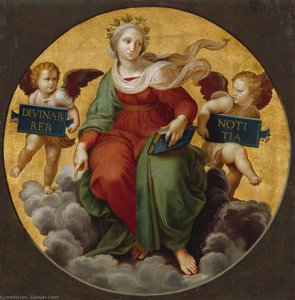
Astronomy للفنان جوزيبي كاديس

Astronomy

Oil On Canvas

Astronomy by Giuseppe Cades presents a fantastical allegorical scene centered on an angel figure positioned atop a large, illuminated globe. The composition is vertically oriented, with the angel dominating the upper half of the frame while two cherubic figures flank the central figure amidst clouds. This arrangement directs the viewer's attention toward the celestial themes of knowledge and exploration. The use of gold leaf contributes to an opulent atmosphere, emphasizing…

5
Cornelia, Mother of the Gracchi (1776) للفنان جوزيبي كاديس

Cornelia, Mother of the Gracchi

1776 · Oil On Canvas

The oil on canvas depicts a group of four figures set against a dark, indistinct background. A woman sits centrally, draped in heavy, dark fabric that includes a deep red or crimson skirt. She holds a young child on her lap, while another small child leans against her side. To the right, a second woman is positioned in profile, facing the central group. The lighting is concentrated on the faces…

لوحات جوزيبي كاديس الشهيرة، من رقم 11 إلى 28

المواضيع التي استأثرت باهتمام جوزيبي كاديس

المواضيع الأربعة التي تتكرر باستمرار في هذه الأعمال الأصلية، مع تقديم أروع مثال لكل منها.

المتاحف التي تحتفظ بالأعمال الأصلية لـ جوزيبي كاديس

المتاحف الـ 5 التي تضم أكبر عدد من اللوحات الموجودة في هذه الصفحة.

المتحف المدينة أعمال جوزيبي كاديس لوحات من هذه القائمة
متحف الإرميتاج, سانت بطرسبرغمتحف الإرميتاج سانت بطرسبرغ 2 Alexander the Great Refuses to Take Water, Alexander The Great In The Workshop Of Apelles
متحف برادو, مدريدمتحف برادو مدريد 1 آدم وحواء
متحف توليدو للفنون, طليطلةمتحف توليدو للفنون طليطلة 1 The Virtue of Lucretia
معهد شيكاغو للفنون, شيكاغومعهد شيكاغو للفنون شيكاغو 1 The Meeting Of Gautier, Count Of Antwerp, And His Daughter, Violante
Walters Art Museum, بالتيمورWalters Art Museum بالتيمور 1 The Martyrdom Of The Blessed Signoretto Alliata

جوزيبي كاديس عبر العقود: لوحة أصلية فريدة لكل عقد

الأعمال حسب العقد

اختر عقداً لتشاهد العمل الأصلي الذي يجسده.

لوحات جوزيبي كاديس: أسئلة حول المعرض

ما هو العمل الأكثر شهرة لـ جوزيبي كاديس؟اكتشف الإجابة

آدم وحواء، متحف برادو, مدريد. ويليها مدرسة أثينا School Of Athens وAlexander the Great Refuses to Take Water (1792).

ما هي أشهر عشر لوحات للفنان جوزيبي كاديس؟اكتشف الإجابة

آدم وحواء, مدرسة أثينا School Of Athens, Alexander the Great Refuses to Take Water, Astronomy, Cornelia, Mother of the Gracchi, Achilles in his Tent with Patroclus, Playing a Lyre, surprised by Ulysses and Nestor, The Virtue of Lucretia, Parnassus, Justice و Poetry. يوضح التصنيف أعلاه سنة كل لوحة والمتحف التابعة له.

كم عدد الأعمال المعروفة لـ جوزيبي كاديس؟اكتشف الإجابة

يضم كتالوجنا 29 من أعمال جوزيبي كاديس، التي يعود تاريخها من 1776 إلى 1792.

أين يمكن مشاهدة الأعمال الأصلية الأكثر شهرة لـ جوزيبي كاديس؟اكتشف الإجابة

توجد غالبيتها في متحف الإرميتاج (سانت بطرسبرغ), متحف برادو (مدريد) و متحف توليدو للفنون (طليطلة). يدرج جدول المتاحف أعلاه جميعها.

ما هي أقدم لوحة فنية للفنان جوزيبي كاديس، وما هي أحدثها؟اكتشف الإجابة

في هذه الصفحة، أقدم الأعمال يعود إلى Cornelia, Mother of the Gracchi (1776) وأحدثها يعود إلى Alexander the Great Refuses to Take Water (1792).

ما هي الموضوعات التي كان جوزيبي كاديس يفضلها؟اكتشف الإجابة

Classical figures (3), Woman (2) و Drapery (2)، عبر 28 من الأعمال في هذه الصفحة.

ما هي المواد التي استخدمها جوزيبي كاديس في الرسم أكثر من غيرها؟اكتشف الإجابة

Oil On Canvas، لـ 3 من أصل 28 من الأعمال في هذه الصفحة.

إلى أي مدرسة فنية ينتمي عمل جوزيبي كاديس؟اكتشف الإجابة

Baroque، بناءً على الأعمال الأصلية في هذه الصفحة.

ما هي الأعمال الأصلية لـ جوزيبي كاديس التي يمكنني رؤيتها في متحف الإرميتاج؟اكتشف الإجابة

Alexander the Great Refuses to Take Water و Alexander The Great In The Workshop Of Apelles: يضم متحف الإرميتاج, سانت بطرسبرغ 2 من الأعمال المعروضة في هذه الصفحة.

جوزيبي كاديس: صورة شخصية للفنان

Giuseppe Cades: A Roman Baroque Visionary

Giuseppe Cades (1750-1799) stands as a significant figure in Italian Baroque art, particularly within the context of Rome’s artistic revival during the Enlightenment. Born into a family with connections to the Vatican and possessing considerable talent from a young age, Cades honed his skills under influential masters like Mancini and Domenico Corvi, securing a prestigious prize for his depiction of Tobias recovering his sight – an early testament to his artistic promise. His formative years were spent absorbing the stylistic precepts of the era, preparing him for commissions that would solidify his reputation as one of Rome’s foremost painters.
  • Early Training & Influences: Cades' education at Mancini and Corvi instilled in him a deep understanding of classical ideals and Baroque techniques. He was particularly drawn to the grandeur and dramatic illusionism championed by Caravaggio, whose masterful use of chiaroscuro profoundly impacted his artistic approach.
  • Notable Commissions & Artistic Output: His involvement with prominent patrons like Cardinal Alessandro Velázquez resulted in ambitious projects – notably the altar-piece for San Benedetto in Turin (1771) and frescoes adorning Palazzo Chigi, depicting scenes from Tasso’s *Jerusalem Delivered*. These works exemplify Cades' ability to convey complex narratives through visual splendor.
  • Technical Mastery & Style: Cades excelled at capturing the emotional intensity of Baroque art. His canvases are characterized by rich color palettes, meticulous detail, and a masterful command of perspective—elements that contribute to an immersive experience for the viewer. He skillfully blended classical elements with Baroque dynamism, creating compositions that resonate with both intellectual depth and visual beauty.
  • Prints & Engravings: Beyond painting, Cades achieved recognition as an engraver, producing evocative prints such as “Christ Blessing Little Children” and “The Death of Leonardo da Vinci.” These engravings demonstrate his technical prowess and his fascination with capturing iconic figures from Western art history.

Recognition & Legacy

Cades joined the Accademia di San Luca in Rome in 1786, marking a pivotal moment in his artistic career and solidifying his position within Rome’s artistic elite. Although he died relatively young at the age of 49, Cades left behind an impressive body of work that continues to inspire admiration for its beauty and expressive power. His frescoes and paintings contribute significantly to understanding the artistic landscape of the late Baroque period and exemplify the enduring influence of classical ideals on European art. He is remembered as a skilled craftsman who skillfully blended tradition with innovation, securing his place among Rome’s most celebrated artists.

Further Exploration

For more information about Giuseppe Cades' life and artistic achievements, consult resources such as: